Hanoi (VNA) - After years of legal reforms, Vietnam is entering a favourable phase to accelerate investment through Public–Private Partnership (PPP). Yet turning this potential into billion-dollar, bankable projects remains challenging, particularly in the areas of risk allocation and financial mechanisms, issues that require flexible and innovative approaches.
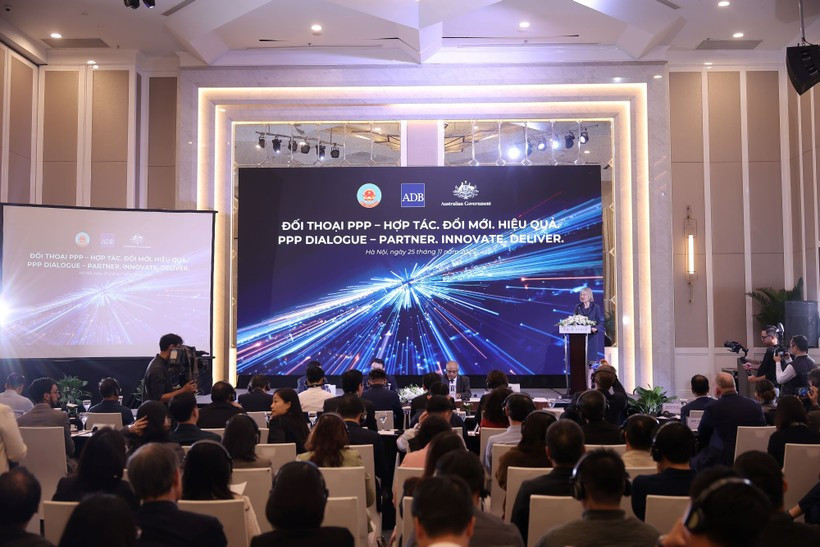
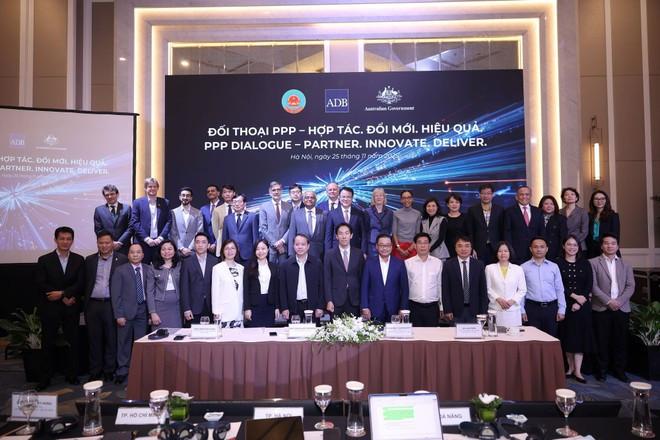
The dialogue, jointly organised on November 25 by the Ministry of Finance and the Asian Development Bank (ADB), sent a strong message regarding Vietnam’s readiness to mobilise private financing for infrastructure.
Deputy Minister of Finance Tran Quoc Phuong said Vietnam’s demand for modern infrastructure remains enormous as the country pursues fast and sustainable growth. He noted that the PPP policy framework has been continuously improved. There have been revisions to the PPP Law and related decrees widening eligible sectors, enhancing flexibility in financial and risk-sharing mechanisms and simplifying procedures for investors.
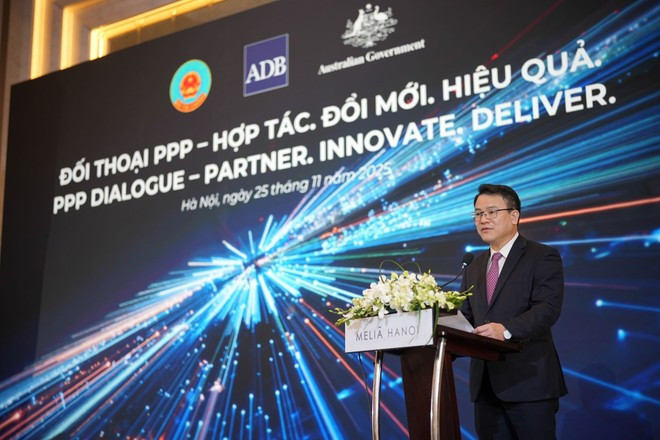
According to the Deputy Minister, Vietnam is now ready to move into a phase of vigorous PPP implementation with strong spillover effects. Three priority pillars have been identified, namely transport infrastructure such as expressways, seaports and airports, transit-oriented urban development (TOD), and innovation–digital transformation–social infrastructure.
Nguyen Thi Linh Giang, Chief of the PPP Office under the Ministry of Finance, said that the current legal framework is being refined to offer more substantive incentives for investors. Previous technical obstacles, such as minimum investment thresholds have been removed, allowing for a broader range of project sizes.
Importantly, the revised mechanisms for sharing revenue increases or decreases, as well as clearer rules on capital contributions, have been written into law, signaling the Government’s strong commitment to accompany investors. The reinstatement of Build–Transfer (BT) contracts and higher allowable State participation in PPP projects are also expected to stimulate investment flows.
Giang said decentralisation in project preparation is being strengthened to enhance local initiative, while new provisions on early termination of contracts help protect the legitimate interests of all parties.
The ADB, which has supported Vietnam’s PPP development for over 15 years from Decree 108 and Decree 15 to the 2020 PPP Law, recognised the country’s reform efforts but cautioned that implementation challenges persist.
ADB Country Director for Vietnam Shantanu Chakraborty observed that although the legal framework has advanced, transforming policies into financially viable, bankable projects remains difficult.
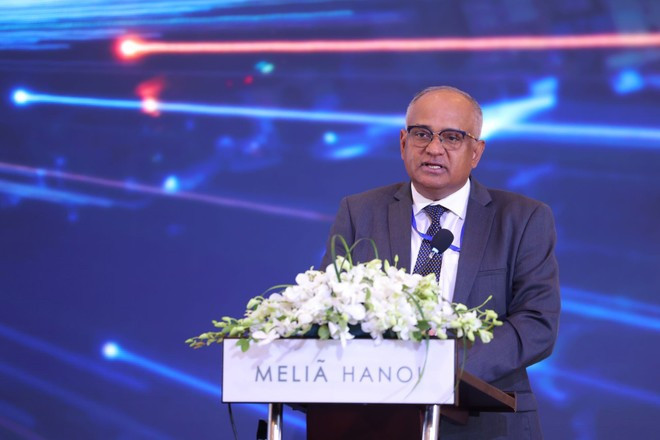
He noted that risk allocation continues to be a central concern for both investors and lenders. Clarity regarding revenue models, government support mechanisms and contract enforcement play a critical role in building investor confidence.
Chakraborty said project preparation capacity requires substantial improvement. High-quality feasibility studies, robust risk assessments and strong coordination are necessary to develop PPP projects that can attract long-term bank financing. Domestic banks, while increasingly familiar with PPPs, still face constraints related to loan tenors, risk tolerance and suitable financial instruments.
He added that competitive investor selection remains limited, as many projects rely on unsolicited proposals or direct contracting an approach that complicates transparency, value for money and competition, all of which are essential to attract high-quality investors.
Emerging areas such as digital transformation, innovation, science and technology and social infrastructure also require updated PPP models tailored to their distinct characteristics.
Despite these obstacles, Chakraborty stressed that such challenges are typical when shifting from policy design to implementation. With continued cooperation, he said, Vietnam is well-positioned to overcome them.
One of the dialogue’s most notable discussions centred on new PPP aroaches that move beyond traditional road and bridge projects. ADB experts presented the asset to financial value conversion model, described as a potential breakthrough for countries facing public funding constraints.
ADB Senior Market Development Specialist Rosemary Ong highlighted the example of Ninoy Aquino International Airport (NAIA) in the Philippines. Using a 15–25-year Revenue-Operational-Enhancement-Term (ROET) concession, the government retained asset ownership while securing up to 82.16% in revenue share from the winning investor, plus a substantial upfront payment.
Ong said the approach mobilises capital and improves operational efficiency without increasing public debt. Revenues generated from such concessions can be reinvested into new infrastructure projects, especially in less developed regions.
Experts, including ADB’s Eun Lee, also emphasised the potential of TOD as a financial engine for metro systems in major cities like Hanoi and Ho Chi Minh City. Capturing land value increases around transport hubs can create sustainable revenue streams to support infrastructure operations.
The dialogue also recorded strong commitments from development partners. Australian Ambassador to Vietnam Gillian Bird reaffirmed Australia’s readiness to continue technical support for Vietnam in developing a transparent and efficient PPP ecosystem./.