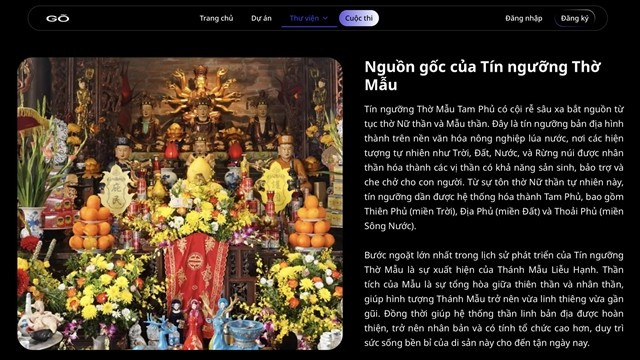
Hanoi (VNS/VNA) - Inspired by their interest in Vietnam’s traditional beliefs, a group of students have launched a project aimed at bringing the cultural heritage of Mother Goddess worship (Tho Mau) into contemporary life.
The project, titled Go Chau Thien Hoi, focuses on promoting chau van ritual music associated with Mother Goddess worship. By building a digital resource platform and creating interactive cultural spaces, the initiative aims to make the heritage more accessible to young audiences while encouraging deeper understanding and appreciation of the tradition.
The practices related to the belief in the Mother Goddesses of the Three Realms in Vietnam date back to the 16th century.
In this tradition there are three realms, namely Heaven, Water and Mountains/Forests. The Mother Goddess is a nymph who descended to Earth, lived as a human and became a Buddhist nun referred to as the Mother of the World. There are also many other spirits considered legendary heroes.
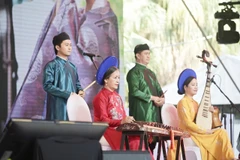
In Mother Goddess worship, male and female spirit mediums perform spirit possession rituals at various temples. Each spirit possession ritual consists of up to 36 spirit incarnations, and each spirit has its own costume, dance, songs and offerings. During the rituals a band of musicians perform chau van ritual songs for the spirits.
Passed down through generations, the tradition continues to be practised by communities today as a response to their environment, providing them with a sense of identity and continuity. It was recognised as an Intangible Cultural Heritage of Humanity by UNESCO in 2016.
Growing interest
Since its launch in November 2025, the Go Chau Thien Hoi project has attracted more than 700 students from over 120 universities and colleges nationwide, and has recorded over 100,000 views across digital platforms, which demonstrates significant interest among young people in the heritage.
The project is designed to become an intergenerational bridge where the practical values of Mother Goddess worship are digitised and systematised so they become more standardised and accessible.
The project goes beyond short‑term publicity to develop a heritage ecosystem in the digital environment, entrusting young people as principal actors in inheriting, engaging with, and disseminating traditional cultural values.
Origins of idea
The project leader, Van Hong Thien, said his idea for the project began in 2022 when he watched a music video inspired by the Tu Phu (Four Palaces) belief. The colours and melodies in the piece sparked his curiosity and encouraged him to explore the tradition more deeply.
“When I began my research, I realised that a whole worldview of the Vietnamese is expressed through the practice of Mother Goddess worship,” the student from FPT University said.
“Those music videos only serve to introduce the public to the tradition, but when I encountered original materials such as ancient chau van and the traditional practices of our predecessors, I truly felt moved and developed a special affinity for this faith.”
Thien and his team have undertaken research since 2023 before officially launching the Go Chau Thien Hoi project, with main activities held in Hanoi, Hue and Ho Chi Minh City.
The launch event took place at Thuy Trung Tien Temple in Hanoi, where a scholarly publication and the Digitised Library of Vietnamese Dao Mau Mother Goddess worship were unveiled, laying the project’s academic foundation.
Digital heritage
The team plans to carry out field surveys to study local ritual practices in Central Vietnam and to add materials to the digital archive. Meanwhile, in HCM City, the project will stage a multimedia art exhibition combining images, practice videos and chau van lyrics, creating a space where tradition and technology meet.
According to Thien, it has been both an opportunity and a fortune that the group has received guidance and partnership from many researchers, master performers and experienced cultural practitioners, which has helped the project reach a much wider community.
“The project concentrates on sourcing materials already preserved by researchers and master practitioners, then presenting them in formats that resonate with young people. For example, interactive exhibitions or collaborations with artists to create works inspired by Mother Goddess worship,” he said.
To tailor the content, the team surveyed about 2,000 young people in Hanoi, Ho Chi Minh City and Da Nang. The survey results help them design activities that closely match young people’s cultural engagement needs, especially those aged 18 to 30.
Alongside the nationwide activities, the project is introducing a range of long‑term products developed on a rigorous academic foundation with close specialist consultation. The highlight is a book that collects, reconstructs, and critically edits valuable chau van texts to preserve the original wording offered to the deities and to standardise source materials for ritual practice.
Preserving tradition
The book is the result of author Nhat Tang’s 20 years of work. It not only gives readers access to the ritual texts themselves but also serves as a resource for exploring the beliefs, history, sites, people and distinctive cultural traits of Vietnam’s regions.
In addition, the Digital Library of Mother Goddess Worship has been developed by building on the digitisation approach pioneered by researcher Le Van Thao and the Enter Vietnam team. This vast data system is not only a valuable repository for preservation but is also being put to practical use in national education, helping bring the heritage closer to communities through technology.
The project’s distinction is not in discovering new knowledge but changing how it communicates. It moves from preserving to interacting, combining live events with online platforms to create a multi‑layered experience that bridges traditional practice spaces and the digital world.
This approach guides people from curiosity to clear understanding, and from loving the heritage to feeling responsible for protecting it. It positions young people as active participants who inherit and refresh the heritage within its core values, helping keep it alive in modern life./.
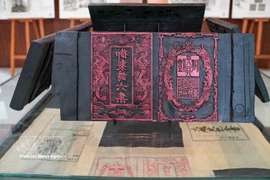
Resolution 80: Documentary heritage brought to life through public experiences
Only when integrated into the national strategy for cultural development and digital transformation, can archival work become a soft pillar of the national knowledge infrastructure, strengthening governance capacity and enhancing Vietnam’s soft power in the new era.