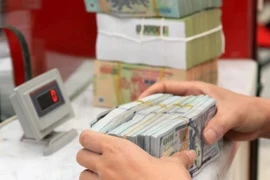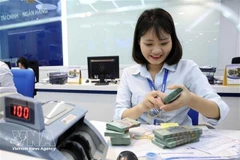
Hanoi (VNA) – Remittance inflows topping 10.3 billion USD to Ho Chi Minh City in 2025 have strengthened the city’s financial resilience, standing out as a vivid symbol of trust capital and a key driver of institutional reforms designed to better harness this important capital source.
Driving growth and economic stability
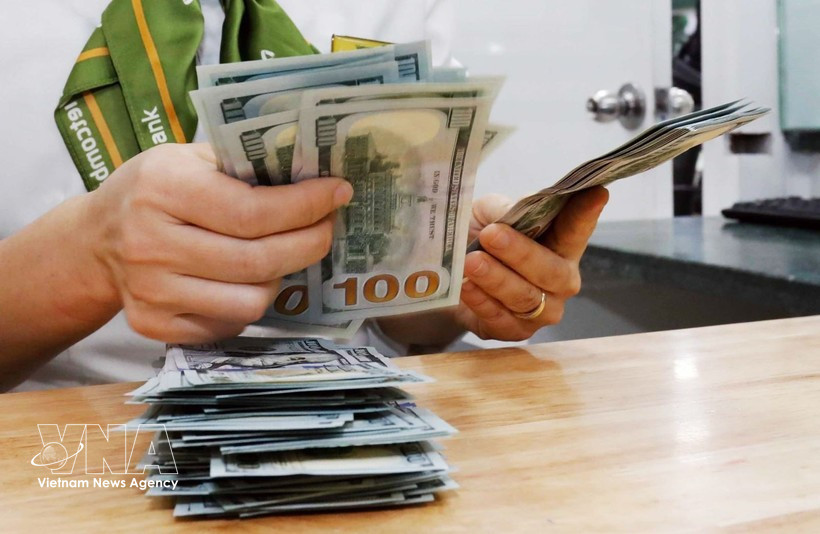
Data from the State Bank of Vietnam’s Region 2 Branch shows that remittances to Ho Chi Minh City reached more than 10.34 billion USD last year, accounting for nearly 60% of the nation’s total inflows. Asia continued to lead as the primary source, contributing close to half of the total, followed by the Americas with about 32%. Meanwhile, Europe, Oceania and Africa posted encouraging growth, helping diversify remittance origins and reduce dependence on traditional markets.
The composition of remittance flows highlights both the expanding global footprint of the Vietnamese community and the stability of this financial channel. Despite global economic uncertainties stemming from geopolitical tensions, persistent inflation and tighter monetary policies in major economies, remittances to the city still grew by over 8%, reflecting strong and sustained confidence among overseas Vietnamese in Vietnam’s socio-economic outlook.
Beyond supporting the balance of payments, strengthening foreign exchange reserves and stabilising exchange rates, remittances are also fuelling domestic consumption and investment. For millions of households, they remain a vital source of income, contributing to improved living standards, better access to education and healthcare, and enhanced social welfare.
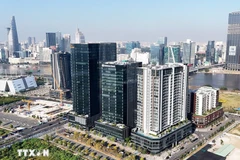
Notably, the use of remittances is shifting. While previously focused largely on consumption and family support, an increasing share is now being channelled into investment and business ventures. Estimates by the Ho Chi Minh City Real Estate Association suggest that around 20–21% of total remittances, equivalent to more than 2 billion USD annually, flow directly into the real estate sector, providing an important boost to more sustainable market development.
Chairman of the municipal People’s Committee Nguyen Van Duoc said that with roughly 2.8 million people maintaining direct or indirect ties to the city, overseas Vietnamese communities represent a highly valuable resource in terms of expertise, management experience, technology, finance and international networks. The 8.3% year-on-year increase in remittances in 2025 underscores not only the growing scale of these inflows but also the long-term confidence of Vietnamese expatriates in development trajectory of the city’s as well as the country.
Institutional reforms unlocking remittance potential
The true significance of remittances lies not only in their monetary value but also in the institutional progress associated with effectively mobilising this resource. In recent years, Vietnam has introduced substantial policy and legal reforms relating to OVs and remittance flows, creating a more transparent, secure and investor-friendly environment.
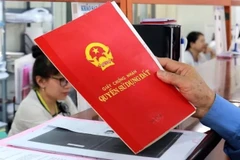
Key milestones include provisions in the 2024 Land Law and the revised Real Estate Business Law, which for the first time grant Vietnamese residing abroad and persons of Vietnamese origin more equal legal standing in accessing land, housing and investment opportunities. Clearer regulations on rights and obligations have removed longstanding legal bottlenecks and reinforced investor.
These reforms signal not merely legislative improvements but also a shift in development thinking, recognising overseas Vietnamese as an inseparable part of the national community and active partners in the country’s development process.
The project “Effective policies to make use of remittances in Ho Chi Minh City until 2030” is being implemented with strong momentum, aiming to turn remittances into a key pillar of growth and economic transformation. The city is prioritising improvements to the investment climate, streamlined administrative procedures, modern payment infrastructure, and stronger connections between overseas Vietnamese and the start-up and innovation ecosystem, particularly in high technology, finance, logistics, education and healthcare.
City leaders emphasise that overseas Vietnamese are not simply a source but long-term strategic partners and co-creators of the city’s future. Success in the coming period, they stress, will be measured not only by economic growth but also by governance quality, policy effectiveness and the extent to which development benefits reach all citizens, including Vietnamese communities abroad./.