Hanoi (VNS/VNA) - The Ministry of Finance has proposed increasing support for agricultural insurance premiums and expanding eligible beneficiaries in a move aimed at encouraging greater participation by farmers and agricultural organisations.
The proposal is included in a draft decree amending and supplementing Decree No. 58/2018/ND-CP on agricultural insurance.
Specifically, the draft decree proposes raising the maximum insurance premium subsidy for farmers from poor households from the current 90% to 95%.
For farmers not classified as poor or near-poor households, support would increase from 20% to 50%.
For agricultural production organisations, the proposed subsidy is 30%, representing a 10 percentage points increase compared with the current rate.
According to the ministry, although agricultural insurance policies have been piloted since 2011, the sector remains new and high risk, creating multiple challenges in implementation.
In practice, most agricultural insurance participants have been farmers from poor and near-poor households, while participation among non-poor households and agricultural production organisations has remained limited.
Compared with other countries, Vietnam’s support level for agricultural insurance also remains relatively low. In the US, the average support level is about 69%, Canada 66%, Spain about 50%, and Japan 50%.
In addition to premium subsidies, many countries apply supplementary mechanisms such as providing free productivity insurance contracts against basic natural disasters, supporting management costs for insurance companies or allowing governments to directly undertake reinsurance.
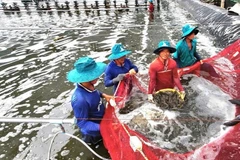
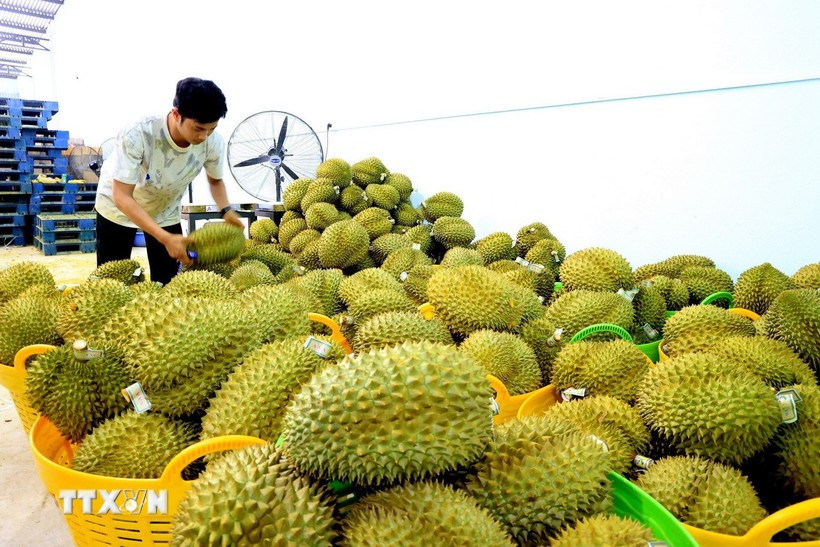
The ministry, therefore, proposes increasing agricultural insurance premium support while expanding the scope of beneficiaries. Alongside existing insured groups, including crops such as rice, rubber, pepper, cashew, coffee, fruit trees and vegetables; livestock such as buffalo, cattle, pigs and poultry; and aquaculture, including tiger shrimp, white-leg shrimp and catfish, the draft decree would also extend coverage to key crops, livestock and aquatic products specific to each locality. /.