Vietnam looks to shape quality cocoa brand on global map

Rather than competing on output, Vietnam has a clear opportunity to pursue a high-value strategy centred on quality, branding and regional identity.

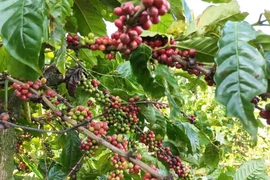
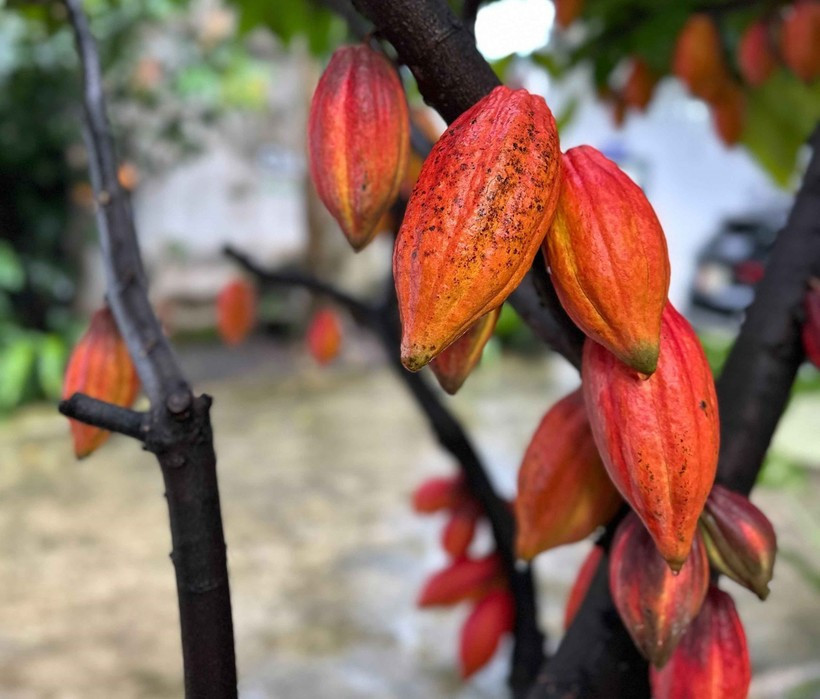
One of the precious cocoa varieties preserved at the Azzan Cocoa–Chocolate JSC in Buon Ma Thuot ward, Dak Lak province. (Photo: VNA)

Hanoi (VNA) – Vietnam has officially been recognised by the International Cocoa Organisation (ICCO) as a producer of Fine Flavour Cocoa (FFC), becoming the second Asian country to receive this prestigious status.

This recognition places Vietnam among a select group of countries whose cocoa beans are prized for distinctive flavour profiles rather than sheer volume. Fine Flavour Cocoa accounts for only about 10 – 15% of global production and is primarily used in premium and craft chocolate segments.

Vietnam enjoys a rare combination of advantages: inclusion in the fine-flavour category, diverse ecological conditions, and the ability to develop cocoa cultivation through agroforestry and intercropping models aligned with the trend of low-carbon and sustainable agriculture.

Rather than competing on output, Vietnam has a clear opportunity to pursue a high-value strategy centred on quality, branding and regional identity.

Opportunities for Vietnamese cocoa

For many years, cocoa in Vietnam remained a small-scale crop, largely absent from major agricultural value-chain strategies. However, in the context of agricultural restructuring linked to green growth, emissions reduction and deeper international integration, cocoa is emerging as a promising niche commodity.

MSc. Nguyen Thi Thanh Mai from the Western Highlands Agriculture and Forestry Science Institute (WASI), said Vietnamese cocoa is highly regarded for its rich flavour, balanced natural acidity and distinctive fruity notes – characteristics well suited to craft chocolate, dark chocolate and premium cocoa products.

“Fine flavour is not about volume, but about quality, traceability and the cultural story of a farming region,” she said.

Market Research Future (MRFR) estimates the global cocoa bean market reached approximately 17.17 billion USD in 2024 and is expected to exceed 37 billion USD by 2035, with a compound annual growth rate of around 7.3%. Growth is increasingly driven by high-end segments such as dark chocolate, artisanal chocolate, organic cocoa and sustainably sourced, traceable products.

Strategic role of Central Highlands

The Central Highlands is Vietnam’s largest cocoa-growing region, with Dak Lak province demonstrating the strongest potential to develop a structured and competitive cocoa industry. In addition to having the largest plantation of the tree nationwide, Dak Lak benefits from fertile basalt soil, a stable highland climate, extensive experience in industrial crop cultivation, and an emerging ecosystem of enterprises and cooperatives.

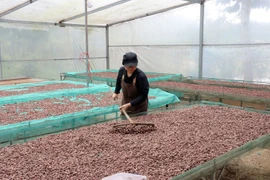
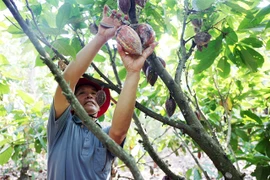
Notably, cocoa in Dak Lak is primarily grown through intercropping under coffee, fruit trees and forest canopies, consistent with regenerative agriculture principles. Cocoa improves soil cover, boosts organic matter, absorbs carbon, and doesn’t compete for nutrients, making it a great choice for long-term sustainable production.

The province currently has seven cooperatives engaged in cocoa production. Many farmers, cooperatives and producer groups have established linkages with enterprises for production and sale, helping stabilise markets and improve quality.

However, these linkages remain limited in scale, with most activities focused on raw material supply. Deep processing and value addition are still modest.
vnanet-cocoa-farmers.jpg
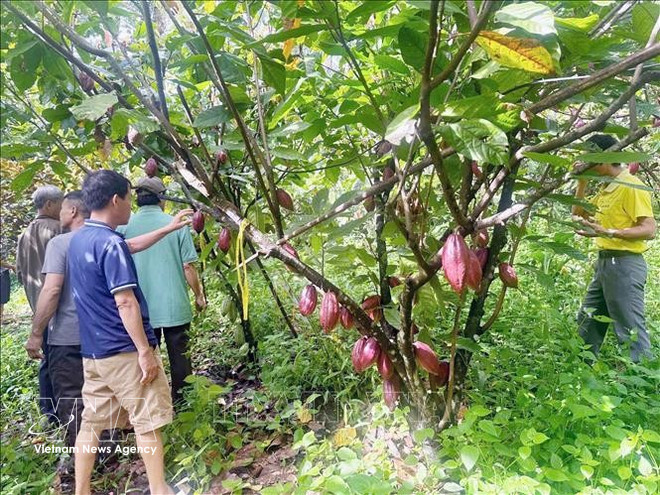
Farmers learn about a cocoa cultivation model in Dak Lak province. (Photo: VNA)

In response, Dak Lak’s agricultural sector is developing a cocoa value-chain strategy aimed at moving beyond raw production to include processing, branding and export market integration.

With a shared vision of transforming the province into a centre for Vietnamese cocoa and chocolate, businesses and farmers are working together to turn the red basalt plateau into a symbol of green and high-value export-oriented agriculture.

Doan Thi Kim Xuyen, Director of the Cacao Land Co. Ltd in Dak Lak, noted like many other distinctive products of the Central Highlands, the greatest value of cocoa lies not in raw beans, but in its potential to be processed deeply and tell the story of the local land and its people.

“A chocolate bar brings in many times more value than bean export. But more importantly, it helps Vietnam enter the market as a value creator, not a seller of raw materials,” she opined./.
VNA

See more

Downtown area in Ho Chi Minh City. (Photo: VNA)

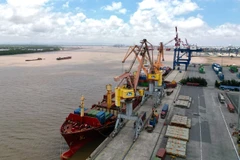
Vietnam's golden gateway: FDI poised for gains in 2026

More than just volume, the quality of FDI entering Vietnam has improved. The nation is evolving from a base for basic assembly and processing into a genuine contributor to hi-tech manufacturing and R&D across global value chains.

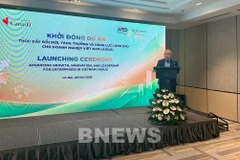
Deputy Minister of Finance Do Thanh Trung speaks at the ceremony (Photo: VNA)

Project to advance growth, innovation, leadership for enterprises kicks off

AGILE is not only a testament to the long-standing and trusted strategic partnership between Vietnam and Canada, but also an important contribution to the Vietnamese Government’s efforts to promote innovation and sustainable growth within the private sector, thereby effectively mobilising private investment to realise inclusive and sustainable development goal.

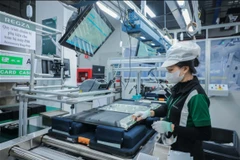
At Regza Vietnam Electronics Co., Ltd. in Dong Nai province. (Photo: VNA)

FDI disbursement in January hits five-year high

Economists said that the continued growth in realised FDI reflects foreign investors’ sustained implementation and expansion of production and business activities in Vietnam. This is seen as an encouraging signal, underscoring investors’ confidence in Vietnam’s business environment and economic prospects.

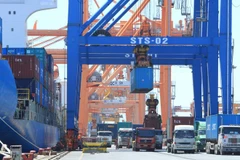
In Q1 2026, Vietnam records 16 export commodities with turnover exceeding 1 billion USD. (Photo: VNA)

Exports face stiff test in bid to hit 550 billion USD

To achieve export growth of over 15% as directed by the Government, the MoIT said it will prioritise a set of core measures in 2026, including expanding production capacity, developing new export products, increasing domestic content and value added, accelerating the shift from processing to manufacturing, and proactively addressing trade barriers and defence measures.

Illustrative photo (Photo: VNA)

January CPI rises on stronger Tet holiday demand

CPI in January 2026 rose 0.05% month-on-month, with urban areas up 0.02% and rural areas up 0.09%. Of the 11 major commodity and service groups, nine recorded price hikes while two saw declines.

Vietnam is currently Cambodia’s third-largest trading partner worldwide, after China and the US, and its largest trading partner within ASEAN. (Photo: Ministry of Industry and Trade)

Party chief’s Cambodia visit to open up new phase of deeper, closer cooperation

To further unlock the potential of bilateral economic and trade cooperation, Vietnam and Cambodia should continue reviewing and effectively implementing signed agreements, facilitating trade and border connectivity, strengthening trade promotion in complementary sectors, reforming administrative procedures, upgrading border and logistics infrastructure, and enhancing coordination in combating smuggling and trade fraud.

Investors monitor stock market movements at the HoSE trading floor. (Photo: VNA)

VNX, FTSE Russell discuss Vietnam market upgrade

During the working session, the two sides shared updates on the performance of Vietnam’s stock market in 2025, focusing on market capitalisation, index trends, developments in the equities, bond and derivatives segments, and the continued expansion of the investor base.

Vietnamese products continue to gain traction at traditional markets and supermarkets across Ho Chi Minh City (Photo: VNA)

Vietnamese goods dominate Tet market in Ho Chi Minh City

Despite still-muted purchasing power, Vietnamese products continue to gain traction at traditional markets and supermarkets across Ho Chi Minh City, as consumers increasingly prioritise locally made goods, from fresh food and fast-moving consumer items to processed products, for their stable quality, reasonable prices and transparent origins.

Vietnamese Ambassador to Algeria Tran Quoc Khanh talks with an Algerian businessman at the 7th International Chocolate and Coffee Show in Algeria, on February 4. (Photo: VNA)

Vietnam, Algeria promote economic cooperation

Vietnamese Ambassador to Algeria Tran Quoc Khanh has visited Oran Province to follow up on agreements from Prime Minister Pham Minh Chinh's November visit, during which he held meetings with local officials and business representatives.