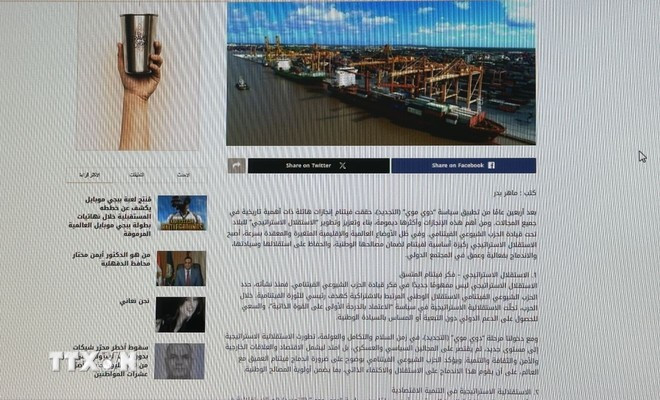
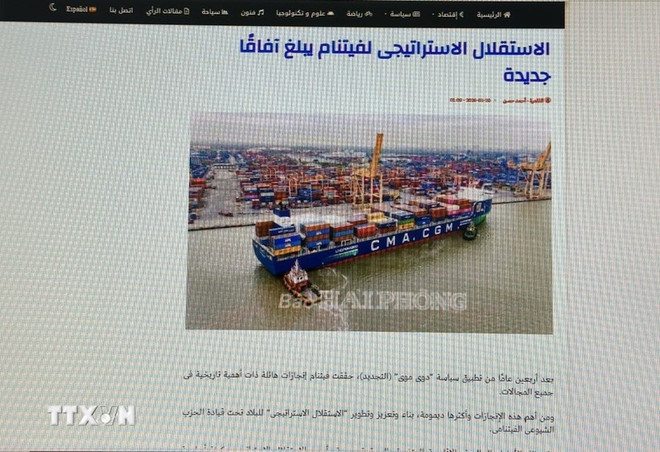
Cairo (VNA) – Vietnam’s strategic autonomy has evolved to a new height, enabling proactive integration for development while preserving its resilience, identity, and national interests, according to Egyptian media.
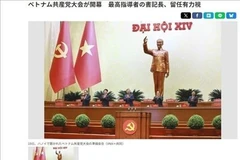
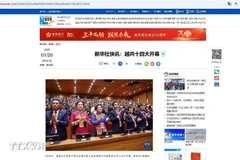
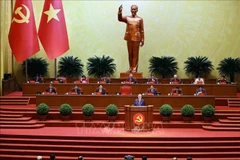
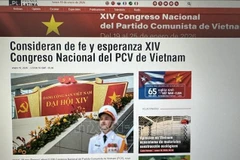
Leading newspapers of Egypt, including Liga Hispano, Algomhoria Alyoum, and Sada Al-Khbar, in their articles on January 20, spotlighted the Communist Party of Vietnam (CPV)’s role in national construction, defence and development, and great and historic achievements made by the country across sectors after its 40-year Doi moi (renewal) process.
According to the articles, one of Vietnam’s key and lasting achievements under the CPV’s leadership has been the development and continuous strengthening of its strategic autonomy. Against the backdrop of the rapidly changing and complex global and regional situation, this strategic autonomy serves as a crucial foundation for protecting national interests, preserving independence and sovereignty, and actively pursuing international integration
Strategic autonomy has long been a consistent principle in Vietnam’s governance, with the CPV upholding national independence alongside socialism as a central and enduring goal since its founding, they said.
Vietnam’s strategic autonomy, rooted in self-reliance during the wars, has expanded in the Doi moi process to cover politics, economy, security, culture, and development. The CPV has clearly stated that international integration must be guided by independence, autonomy, and the protection of national interests.
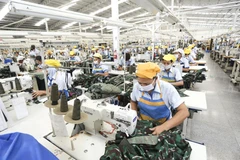
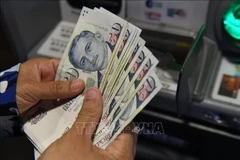
In terms of economic development, Vietnam has steadfastly pursued a socialist-oriented market economy—an innovative model tailored to the country’s specific conditions.
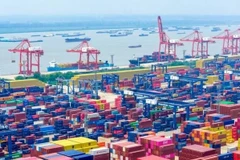
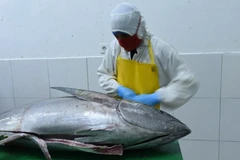
Vietnam’s integration is paired with strengthening domestic capacity and economic self-reliance, ensuring energy, food, and financial security while maintaining macroeconomic stability. The CPV advocates avoiding dependence on any single market, partner, or source of capital, thereby minimising risks from external shocks and enhancing the economy’s ability to self-adjust.
Regarding foreign policy, an independent, autonomous, and diversified approach to international relations is a key pillar of Vietnam’s strategic autonomy. Over the past four decades, Vietnam has established diplomatic relations with most countries worldwide, become a strategic and comprehensive partner of many major nations, and emerged as an active and responsible member of international and regional organisations.
Strategic autonomy in Vietnam’s foreign policy is demonstrated through active engagement in multilateral mechanisms; and fostering peace, cooperation, and development, thus boosting the nation’s position and prestige in the international arena.
The newspapers said amid profound global changes, increasing strategic competition among major powers, and challenges to globalisation, strategic autonomy has become vital for Vietnam. The 40-year Doi moi process shows that under the CPV’s leadership, strategic autonomy entails proactive integration for development, ensuring that Vietnam maintains its resilience, identity, and key national interests, rather than isolating itself from the world.
This principle has helped Vietnam overcome obstacles and progressively strengthen its increasingly important role and position on the global stage, they noted.
The newspapers stressed that as Vietnam enters a new development era, strategic autonomy remains the guiding principle behind the Party and State’s policies, supporting rapid and sustainable progress toward a prosperous, strong, democratic, just, and civilised Vietnam./.