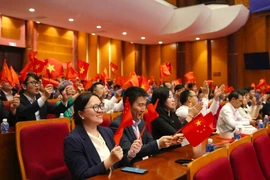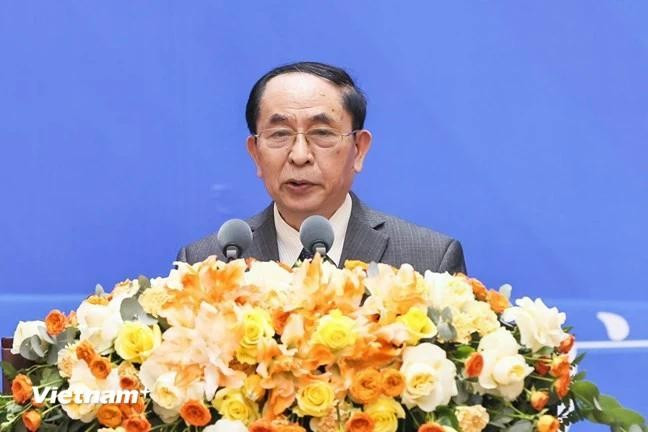
Hanoi (VNA) - As part of ongoing efforts to strengthen bilateral ties, the Vietnam Fatherland Front and the Chinese People’s Political Consultative Conference (CPPCC) convened an experience-sharing conference on April 22 in China’s Guangxi Zhuang Autonomous Region.
The event aimed to deepen cooperation and foster friendly exchanges, particularly in border areas.
Delivering a presentation on promoting the traditional friendship between Vietnam and China, Nguyen Vinh Quang, Vice President of the Vietnam–China Friendship Association, recalled the steady progress in bilateral relations over the past 75 years.
He noted that the recent state visit to Vietnam by Party General Secretary and President Xi Jinping marked a significant milestone in the diplomatic history of both countries, as it coincided with the 75th anniversary of diplomatic relations.
During the visit, leaders of the two Parties and States held strategic discussions to reaffirm their shared path toward socialism amid global uncertainty. They also agreed to use the 75th anniversary and the ongoing Year of Vietnam – China Humanistic Exchange as opportunities to organise meaningful and culturally rich events that deepen public support and strengthen the social foundation of bilateral relations.
Quang further emphasised that the third Friendly Exchange Programme between the Vietnam Fatherland Front and the CPPCC is a key part of the broader series of events agreed upon by senior leaders.
He expressed confidence that additional local-level exchanges between the two organisations would be successful, helping promote mutual understanding among citizens. This, in turn, would reinforce solidarity and cooperation, and contribute to building a Vietnam–China community with a shared future, aligned with strategic interests and global peace and development.
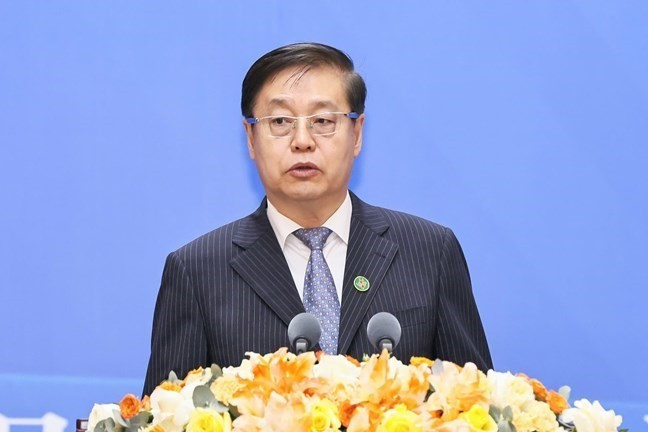
Speaking at the conference, Chen An, Member and Deputy Director of the CPPCC’s Proposals Committee, observed that under the strategic direction of top leaders, the comprehensive strategic cooperative partnership between the two countries has made significant strides.
He stated that numerous CPPCC members have contributed ideas and proposals aimed at practical cooperation and advancing the shared future vision.
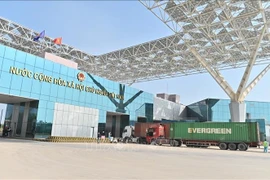
Chen also noted the importance of fostering cross-border tourism and cultural exchanges, along with enhancing bilateral cooperation in the economy and trade. These areas were highlighted as vital channels for strengthening mutual ties and delivering tangible benefits to both peoples.
Adding to the discussion, Shi Guohuai, Chairman of the CPPCC of Jingxi City (Baise, Guangxi), remarked that exchanges between Jingxi and Vietnam rest on a solid foundation, citing common holidays and cultural similarities that bind people on both sides of the border.
To enhance future cooperation, Shi suggested establishing a regular consultation mechanism between Guangxi’s CPPCC and Vietnam’s provincial-level fatherland fronts. He also proposed expanding traditional revolutionary education and promoting significant historical sites that represent Vietnam–China friendship.
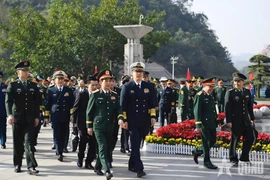
Among his recommendations were initiatives to develop cross-border tourism products and cultural exchange programmes that include visits to revolutionary sites associated with President Ho Chi Minh in Jingxi. He advocated for the development of “red tourism” routes and transnational tours.
Cultural festivals for border communities, such as those retracing the revolutionary path of President Ho Chi Minh, were highlighted as opportunities to attract visitors and strengthen historical awareness.
Shi also emphasised the importance of deepening educational collaboration, especially through vocational training institutions, to develop human resources supporting national development.
Through these exchanges and cooperative activities, both sides aim to further consolidate the Vietnam–China partnership and contribute positively to regional peace, stability, and prosperity./.