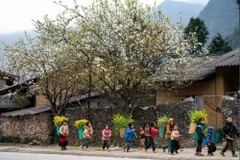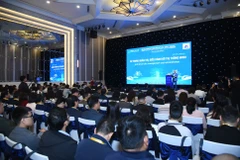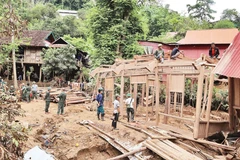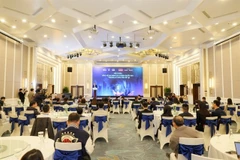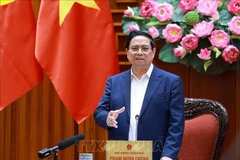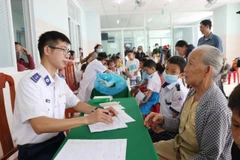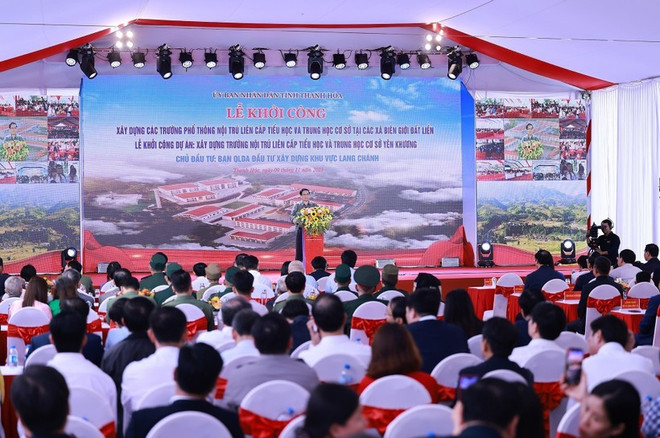
On 9 November, teachers, students, and residents in border communes of 14 provinces and cities nationwide marked a historic milestone as 72 high-quality inter-level boarding schools were simultaneously launched. This was considered one of the largest and most comprehensive school construction initiatives ever conducted, with participation from the Government, ministries, local authorities, and development partners. The project reflects the State’s strong and strategic commitment to improving educational conditions in difficult regions, especially in border areas where access to schooling remains a major challenge.
Building boarding schools to the highest standards
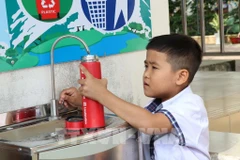
According to the Ministry of Education and Training, as of 31 March 2025, the Government has provided boarding and semi-boarding schools with more than 735,000 pieces of teaching equipment, over 1,100 official housing rooms for teachers, approximately 5,658 student dormitory rooms, 373 management rooms for boarding and semi-boarding students, more than 5,000 classrooms and thousands of supporting facilities, including canteens, kitchens, clean water systems, multipurpose rooms, playgrounds, and sports areas.
However, the Ministry also reported that this number still fulfils only a small proportion of actual demand, especially in remote mountainous and ethnic minority areas where the distance from home to school remains a major barrier. Many children continue to walk long distances through forests and steep terrain to attend school, creating physical and psychological pressure and increasing dropout risks.
Strengthening comprehensive policy support
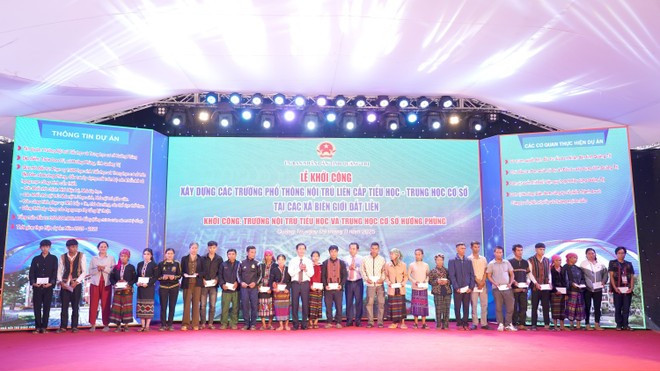
In parallel with infrastructure investment, the Party and the State have introduced various policies to create a breakthrough for education in disadvantaged regions.
For teachers, Resolution No. 71 of the Politburo specifies an increase of 100% professional allowance for educators working in extremely difficult, ethnic, border, and island areas – double the current rate. This is expected to help address teacher shortages, retain qualified educators, and encourage skilled personnel to commit to long-term service in remote locations.
For students, the same Resolution emphasises that “no student should be forced to drop out due to financial difficulties.” Supporting measures include expanding social assistance, financial aid programmes, preferential loans, and the establishment of a National Scholarship Fund to encourage learning motivation and talent development.
Previously, the Party and the State had already issued several key policies, including nationwide tuition exemption from preschool to upper secondary school, and government-funded lunch support for primary and lower secondary students in border communes.
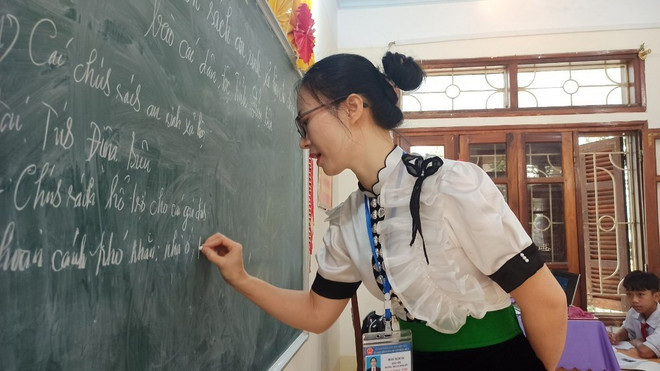
Nguyen Van Khoa, Principal of Bac Ly 2 Ethnic Semi-Boarding Primary School (Nghe An Province), said the new policy has enabled schools to hire staff for cooking services and boarding management, instead of relying on teachers.
“This not only improves meal quality and student care, but also reduces teachers’ workload. As a result, they can fully focus on teaching and improving education quality,” he affirmed./.