Bangkok (VNA) – Thailand has entered the “mid-phase” of the El Niño phenomenon and is likely to shift into a full El Niño by May 2026, earlier than previously expected, said Dr Witsanu Attavanich, an associate professor of economics at Kasetsart University.
Witsanu, who is also an expert in resource, environmental and climate-change economics, said the event could persist until at least February 2027.
He warned the shift could raise Thailand’s exposure to heat hazards, dry spells, and more variable rainfall across multiple regions. During the hot season from March to May 2026, temperatures nationwide are expected to remain above average, with elevated heat continuing through August 2026. The South and the lower Eastern region face a higher heatwave risk than other areas.
The expert noted that overall rainfall in February 2026 remains close to the long-term average, suggesting this year’s dry season may not be unusually severe, but said water management must still be planned carefully.
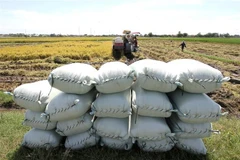
Dr Witsanu warned that higher temperatures could increase health risks, energy costs, and water demand while dry spells could affect agricultural output, farm incomes, and long-term food security.
From a resource economics perspective, the expert said advance planning for water allocation is essential, covering water storage, irrigation management, and adjustment of crop plans to fit increasingly variable conditions.
Meanwhile, models of the National Oceanic and Atmospheric Administration (NOAA) in the US point in the same direction that El Niño is expected to occur, but estimate the probability of a strong El Niño at only 14% for September–November 2026, highlighting uncertainty over severity even as the overall trajectory aligns./.

Thailand launches economic diplomacy strategy to navigate reglobalisation
Thailand is witnessing not deglobalisation but "reglobalisation" - a strategic realignment of trade, production, and finance - requiring the country to integrate its economic and foreign policies more closely than ever before.