Hanoi (VNA) - Mountain tourism is emerging as a key driver for sustainable development, offering not only globally significant archaeological, geological, and geomorphological values but also preserving the distinctive cultural and historical identities of local communities.
This sector holds vast promise for fostering eco-friendly growth while safeguarding natural resources and traditional heritage.
From geological treasures to tourist attractions
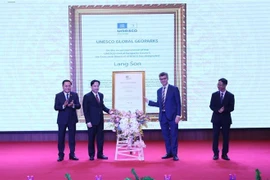
Vietnam is home to four UNESCO-recognised Global Geoparks: Dong Van Karst Plateau (designated in 2010), Non Nuoc Cao Bang (2018), Dak Nong (2020), and Lang Son (2024). Each geopark is regarded as a “living geological museum,” showcasing the harmony between natural grandeur and the rich cultural diversity of ethnic groups.
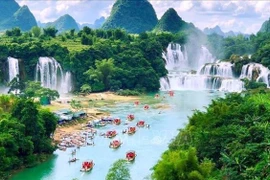
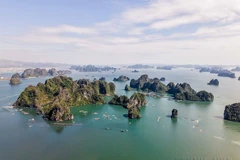
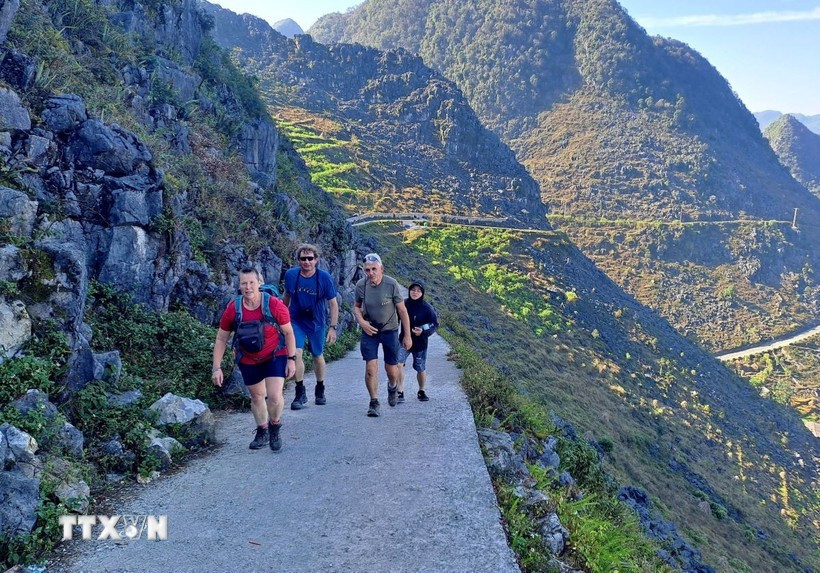
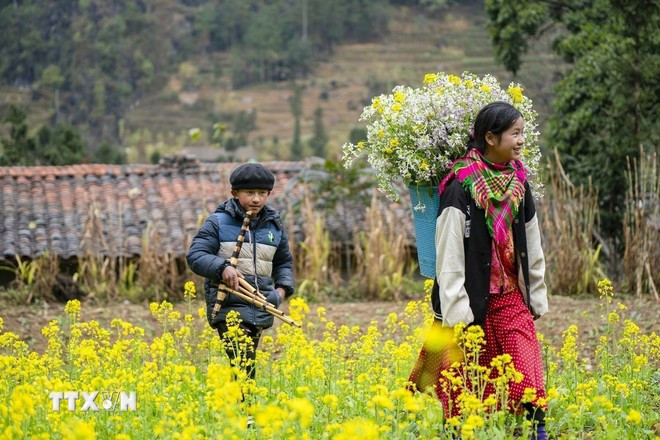
The Dong Van Karst Plateau draws visitors with its majestic limestone landscapes and the distinctive cultural life of the Mong, Dao, Lo Lo, and Tay communities. Non Nuoc Cao Bang fascinates tourists with its interlaced limestone mountains, rivers and waterfalls, most notably Ban Gioc, as well as archaeological sites reflecting the cultural imprints of the Tay, Nung, and Mong groups.
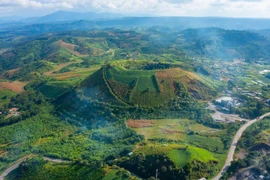
In the Central Highlands, Dak Nong Geopark stands out with its extensive basalt volcanic cave system and the gong culture of the M’Nong and E De ethnic groups, recognised by UNESCO as an Intangible Cultural Heritage of Humanity. Lang Son Geopark, meanwhile, features ancient rock formations, impressive caves, and vibrant ethnic cultural expressions.
Capitalising on these unique values, localities have developed a variety of tourism products that are gradually transforming geoparks into competitive assets. In Dong Van, popular destinations such as Tu San Canyon, Nho Que River, Ma Pi Leng Pass, Lung Cu Flag Tower, the Vuong Family’s Palace, and traditional ethnic villages have become major draws. The geopark now offers four themed travel routes encompassing 59 key sites.
Non Nuoc Cao Bang Geopark has also introduced four tourism routes covering 57 attractions, including Ban Gioc Waterfall, Nguom Ngao Cave, Phia Oac–Phia Den National Park, Pac Bo Historical Site, and the traditional villages of Khuoi Ky and Hoai Khao. Likewise, Dak Nong Geopark features three routes with 41 destinations such as Ta Dung Lake, Dray Sap Waterfall, Dak Mil Prison, and N'Trang Guh Memorial Site, while Lang Son Geopark is developing four routes linking 38 locations of geological and cultural significance.
Building distinctive and sustainable tourism products
Despite their natural and cultural richness, Vietnam’s geopark-based tourism remains underdeveloped, with noticeable gaps in both quality and sustainability.
Dr. Nguyen Xuan Hai from the Vietnam National University of Agriculture noted that the main constraint lies in the limited diversity and quality of tourism offerings. He pointed out that many unique geological features, such as nearly 50 volcanic caves in Dak Nong Geopark, have yet to be fully explored or developed for tourism purposes.
He proposed classifying geopark tourism into three tiers: high-end scientific tours for experts and students; mid-range adventure and wellness tourism combining geological exploration with activities like trekking and kayaking; and basic cultural and heritage tourism featuring local cuisine, festivals, and historical sites.
Cao Quoc Chung, Deputy Director of A Dong Vidotour Travel and Trading Co., Ltd., Hanoi branch, emphasised that geopark tourism should provide tangible, sensory experiences that allow visitors to engage directly with both the landscape and its stories. Scientific and cultural elements, he said, should be seamlessly woven into the natural setting to create distinctive narratives for each destination.
Chung added that the Dong Van, Cao Bang, and Lang Son Global Geoparks form a continuous tourism corridor in the Northeast, but urged the development of diversified products to prevent duplication and foster healthy, complementary growth among these destinations./.