Hanoi (VNA) – Building on the Vietnamese economy’s strong performance so far this year, economists are pinning hopes on a robust fourth quarter to catalyse full-year growth and set a firm footing for 2026.
Despite global economic uncertainty and major domestic reforms, Vietnam maintained macro-economic stability through the first nine months of 2025. Inflation remained low compared to the target set by the National Assembly, exchange rates and the monetary market also remained largely stable, exports held steady, and FDI inflows continued. However challenges persist in domestic consumption, private investment, and public capital disbursement.
Resilience in turbulent global climate
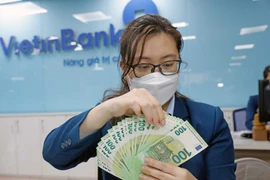
The global economy remains fragile - slowing growth, rising protectionism, and geopolitical instability continue to weigh on trade and investment. At home, Vietnam’s sweeping reorganisation of administrative units is creating a leaner governance model, streamlining decision-making and cutting overheads. This shift, coupled with digital transformation and data integration across civil, land, and financial records, is modernising public administration.
The National Statistics Office (NSO) reported steady economic momentum, with key indicators improving month by month. Inflation remains below the National Assembly’s target, and exchange rates and financial markets are stable, reinforcing business and investor confidence.
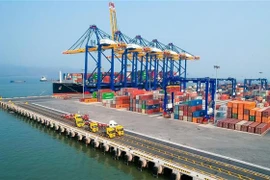
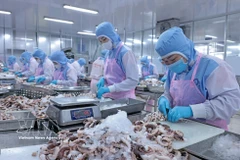
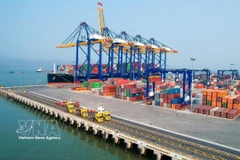
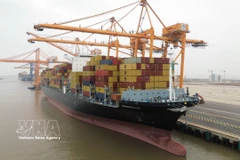
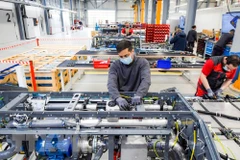
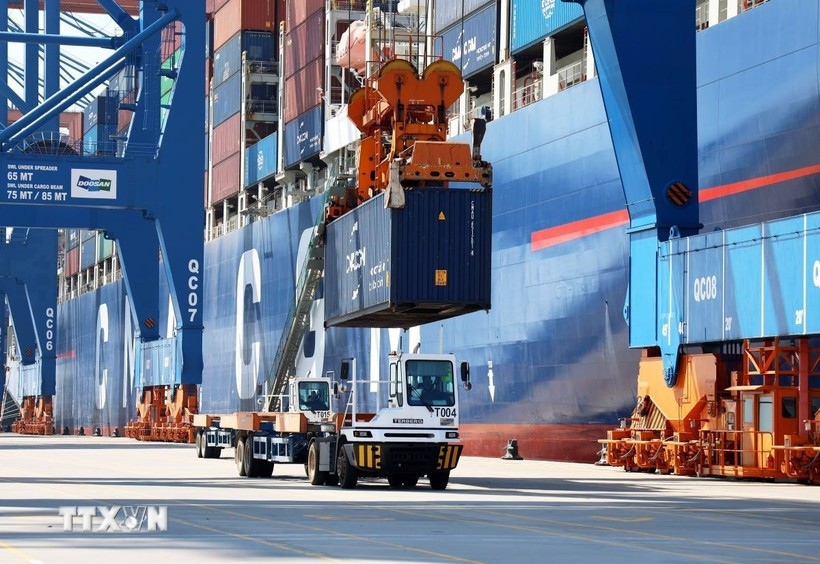
Meanwhile, exports remain robust, buoyed by recovering orders in electronics, textiles, and footwear. FDI-led manufacturing, particularly in electronics and components, continues to drive growth and anchor Vietnam’s role in global supply chains.
Fruit and vegetable exports shine, with a third consecutive year of sharp growth. Export turnover hit an estimated 6.11 billion USD in the first nine months, up 8.3% year-on-year, reflecting success in meeting quality standards and capitalising on free trade agreements. The market is diversifying, reducing reliance on China and increasing product value.
Coffee exports have also surged. Beyond robusta beans, Vietnam is now exporting more roasted, instant, and speciality coffee, enhancing its global reputation.
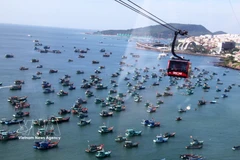
Tourism and services are rebounding, driven by relaxed visa policies and a more diverse offering. This upswing is supporting domestic demand and job creation.
At the same time, the trade surplus has been sustained, strengthening foreign reserves and market confidence.
FDI inflows remain solid, with more newly licensed projects and strong interest from major economies. However, average capital per project has declined, reflecting growing investor caution and fierce regional competition. The average project value fell from 5.09 million USD in the first quarter to 4.35 million USD by August.
Former NSO head Nguyen Bich Lam notes a shift toward smaller, decentralised projects, which may limit technology spillovers and long-term value-add for the economy. Investors appear to be adopting a "wait-and-see" approach, underlining the need for transparent, stable policies.
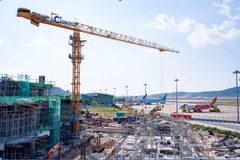
Public investment disbursement, meanwhile, is falling short. Procedural delays, land clearance issues, and capacity constraints have slowed key infrastructure projects, muting their intended ripple effects across the economy.
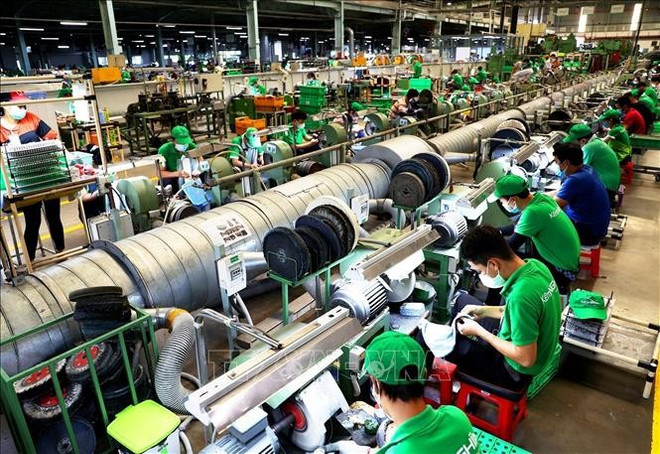
Household consumption is recovering, but remains too weak to significantly drive growth. Retail and service firms still face high input costs and modest improvements in consumer income.
Private investment also lags. High borrowing costs, regulatory hurdles, and subdued market confidence are making firms reluctant to expand.
Q4: Window of opportunity
Economists believe the fourth quarter presents a crucial opportunity to accelerate. Export momentum is expected to continue with stronger demand from the US, EU, and Northeast Asia, alongside gains from major trade deals, such as CPTPP, EVFTA, RCEP).
Tourism should peak during the year-end season, boosted by open visa policies and fresh travel offerings. Public investment —if disbursed more effectively— could provide a significant economic jolt, especially in transport and energy infrastructure.
Private investment may rebound if credit access improves and confidence returns via recovering property and stock markets.
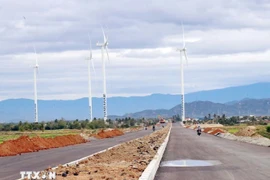
Macro-economic stability is forecast to hold, with inflation under control and interest and exchange rates relatively steady. FDI, though more selective, holds promise in high-tech, green industry, and renewable energy - sectors the government is actively prioritising.
To capitalise on opportunities, experts pointed to the need to maintaining macro stability and inflation control through flexible fiscal and monetary policy, along with accelerating public investment disbursement, supporting private sector growth via credit access, cost reductions, and regulatory reform, enhancing FDI quality, targeting high-tech, green industries, and supporting infrastructure and human capital, and driving digital transformation and developing a green, circular economy for long-term resilience.
Deputy Industry and Trade Minister Nguyen Sinh Nhat Tan stressed that close coordination and transparency are key to expanding Vietnam’s global trade footprint. Strategic efforts, he said, could push growth beyond 8% in 2025 and open the door to double-digit expansion in the years ahead.
With nine months of solid performance and targeted policy execution in the fourth quarter, Vietnam is well-positioned for a breakout finish in 2025, building the momentum needed for a brighter economic horizon in 2026./.