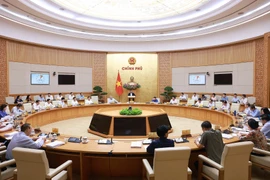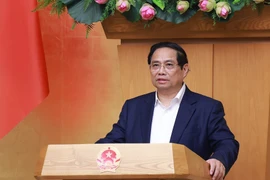
Hanoi (VNA) – Prime Minister Pham Minh Chinh has issued an Official dispatch, setting forth directions for the coordination of fiscal and monetary policies, with a clear focus on sustaining macroeconomic stability while driving economic growth.
The official dispatch, dated September 7, underlines the Government’s determination to achieve the 2025 GDP growth target of 8.3–8.5%, laying the foundation for double-digit expansion in subsequent years.
To that end, the PM called on ministers, heads of agencies, leaders of localities, and executives of State-owned corporations and groups to step up the implementation of policies outlined by the Party, the National Assembly, and the Government. Emphasis was placed on enhancing the effectiveness of fiscal measures through prudent yet targeted expansion.
The Ministry of Finance is tasked with leading efforts to refine tax policies in line with national development needs and income levels, while strengthening tax collection through digital transformation, stricter enforcement, and expansion of the tax base—particularly in the areas of e-commerce and food services.
Notably, the Government aims to increase 2025 State budget revenue by at least 25% over the estimates. Regular expenditures are to be tightly controlled, with unnecessary spending decisively curtailed.
Policies on tax relief, fee reductions, and land rent deferrals will continue to support businesses and households, alongside streamlined procedures to bolster production and employment.
The document also calls for urgent progress in public investment disbursement, following signs of slowdown in August.
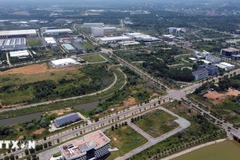
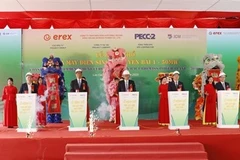
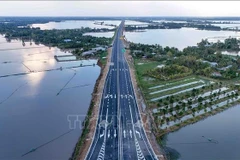
Ministries and local authorities must analyse underlying causes and propose concrete solutions to accelerate implementation. Particular attention is given to large-scale infrastructure projects in transport, energy, health, education, and other key sectors. The goal is to reach at least 60% disbursement of 2025 public investment capital by the end of the third quarter and 100% by the year-end. Administrative barriers to land clearance and material supply are to be promptly addressed, while slow-moving projects will have their capital reallocated to more active ones.
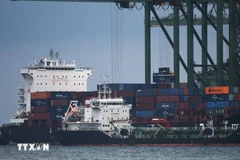
In parallel, the Government continues to encourage foreign direct investment, particularly in large-scale, high-tech projects that strengthen global value chains. Authorities are instructed to swiftly resolve issues faced by foreign investors and reduce administrative burdens to speed up project execution. Outbound Vietnamese investment is also encouraged. The development of capital markets remains a priority, with efforts underway to stabilise the stock and corporate bond markets and to meet conditions for upgrading Vietnam’s stock market status from frontier to emerging.
Agencies are also urged to remain vigilant in tracking global and domestic developments, enhancing forecasting capabilities, and responding swiftly to economic shocks. The Ministry of Science and Technology and other relevant bodies are required to fast-track innovation and digital transformation projects already funded by the State budget, and to approve additional projects utilising surplus 2024 revenues. The implementation of the Politburo's Resolution No. 57-NQ/TW must be accelerated through timely removal of regulatory hurdles, the PM requested.
State-owned economic groups and corporations are expected to take a leading role in national development, improving governance and operational efficiency, and striving for a 2025 growth rate in output or revenue of at least 10%. They are also responsible for driving progress in priority infrastructure projects.
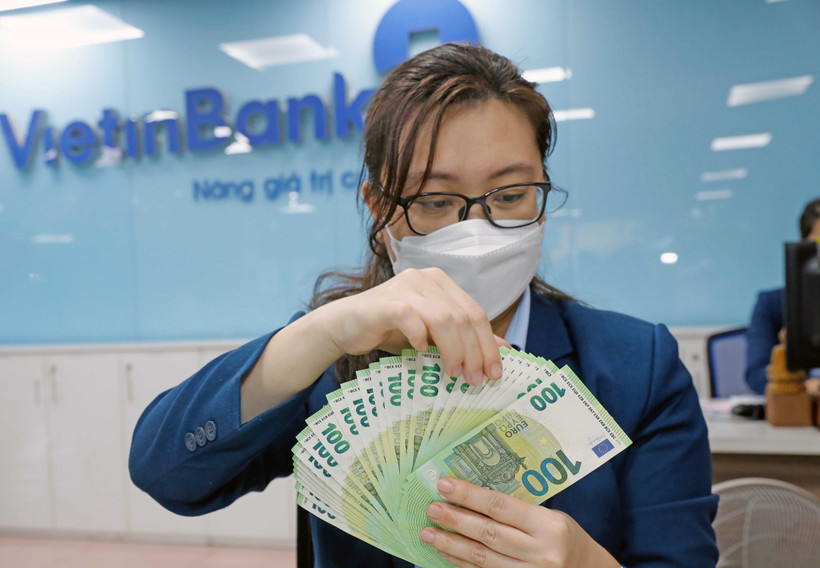
On monetary policy, the State Bank of Vietnam is directed to manage policy in a proactive, flexible, and timely manner, closely aligned with fiscal and macroeconomic strategies. Banks are encouraged to cut costs, simplify procedures, and accelerate digitalisation to create room for interest rate reductions.
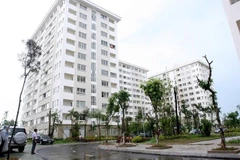
The central bank is also expected to ensure the effective rollout of lending programmes for social housing, infrastructure, digital transformation, and high-quality rice production. In line with the previous dispatch, a roadmap must be developed to phase out the credit growth quota mechanism starting in 2026. In addition, Vietnam will continue advancing cashless payments and digital banking, while managing exchange rates in a flexible and balanced manner to support macroeconomic stability and maintain the value of the Vietnamese dong.
Deputy Prime Ministers will oversee the implementation within their respective sectors, with Deputy PM Ho Duc Phoc directly responsible for directing the execution of this directive. The Government Office will monitor progress and report unresolved issues to higher authorities for timely decision-making./.