Vietnam faces pneumonia threat
Vietnam is among the 15 countries with the highest estimated number of clinical pneumonia, with 2.9 million cases reported every year, doctors said.
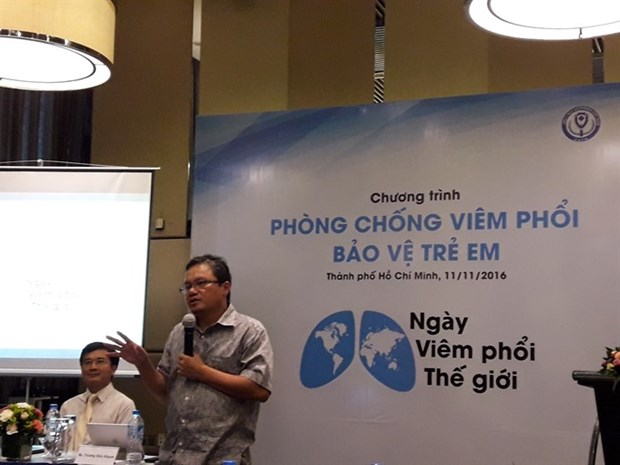 Truong Huu Khanh, head of the infection and neurology department at Paediatrics Hospital No.1 in HCM City, speaks at a meeting on November 11 to mark World Pneumonia Day (Photo: VNA)
Hanoi (VNA) – Vietnam is among the 15 countries with the highest estimated number of clinical pneumonia, with 2.9 million cases reported every year, doctors said.
Pneumonia is the number one killer among the leading infectious diseases, with 920,000 deaths globally or 16 percent of all deaths in the five last years, said Truong Huu Khanh, head of the Infection and Neurology Department at Ho Chi Minh City’s Peadiatrics Hospital No. 1.
Pneumonia is a respiratory infection which is common in children under two and people aged over 65, he told a meeting held on November 11 to mark World Pneumonia Day (November 12).
It can be caused by many different pathogens, including bacteria, viruses, fungi and parasites.
Pneumococcus (Streptococcus pneumoniae) is the leading bacterial cause in infants.
“Pneumococcus is a bacteria that normally stay in adults and children’s throat. It mostly spreads through air (coughing, sneezing), and through contact with sick people or healthy people carrying the bacteria,” Khanh said.
“Pneumonia caused by pneumococcus bacteria is extremely dangerous, with mortality rates of 10-20 percent in young children.”
Breastfeeding in the first months and immunization are active ways to prevent pneumonia, said Nguyen Tran Hien, Chairman of the Vietnam Association of Preventive Medicine.
According to doctors, pneumococcus is becoming increasingly resistant to antibiotics, causing difficulties in treatment and creating pressure on the health sector and entire society.
World Pneumonia Day, November 12, was instituted in 2009 to raise awareness about the toll taken by pneumonia and advocate for global action to protect against, prevent and treat this deadly disease.-VNA



You should also see
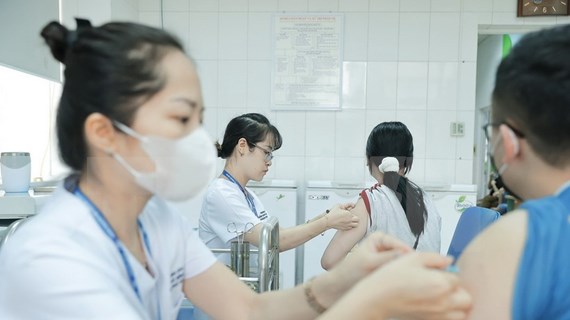
Millions of children in Vietnam protected by vaccination over 40 years: UN agencies
Millions of children in Vietnam have been protected by immunisation over the past 40 years, said the World Health Organisation (WHO) and UNICEF offices in Vietnam on April 25 when they mark the World Immunisation Week from April 24-30.



See more
 Health
Vietnam has first int’l trauma life support training centre
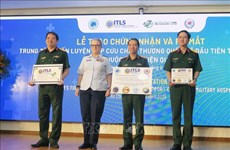
The International Trauma Life Support (ITLS) Training Centre under the Ministry of National Defence’s Military Hospital 175 officially made its debut in Hanoi on April 15. This is the first of its kind in Vietnam and the fifth established in Southeast Asia.
 Health
Vietnam has first int’l trauma life support training centre
The International Trauma Life Support (ITLS) Training Centre under the Ministry of National Defence’s Military Hospital 175 officially made its debut in Ho Chi Minh City on April 15.
 Health
First southern pediatric organ transplant centre to become operational in 2025
The first pediatric organ transplant centre in Vietnam’s southern region is scheduled to be completed and put into operation on the occasion of the 50th anniversary of the Liberation of the South and National Reunification Day (April 30, 1975 - 2025).
 Health
Free surgeries offered for cleft palate children in Thua Thien-Hue
About 80 children with cleft palate in the central province of Thua Thien-Hue and surrounding localities are to receive free check-ups and surgeries from now until April 18.
 Health
Vietnam to host first int’l airway management conference
International airway experts from across the world, including the United Kingdom, United States of America, France, Italy, New Zealand, and experts from Vietnam will gather at the first South East Asian Conference of the World Alliance of Airway Management (WAAM) in Hanoi on April 13-14.
