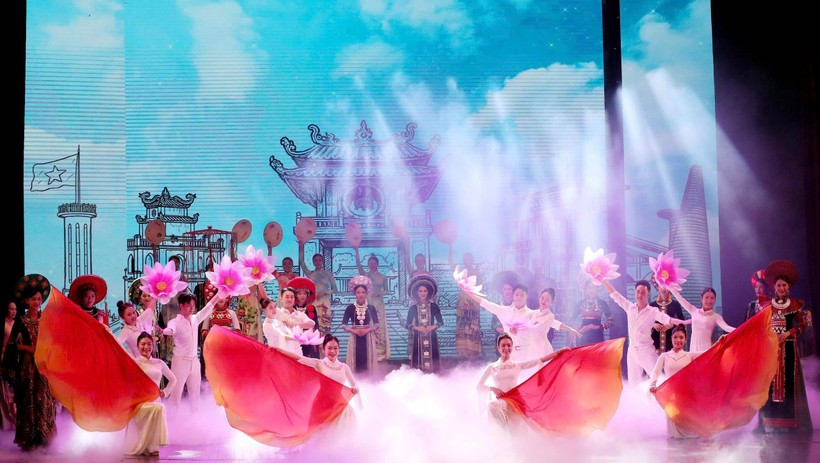
Hanoi (VNA) – The launch of the Vietnam Ao Dai Culture Association marks a new milestone in efforts to preserve and promote the traditional attire widely seen as a cultural emblem of Vietnam.
Speaking at the launch of the association on August 9, Dr. Dang Thi Bich Lien described ao dai as more than attire. The traditional dress has become a cultural ambassador and a peace messenger, introducing Vietnam’s heritage to the world.
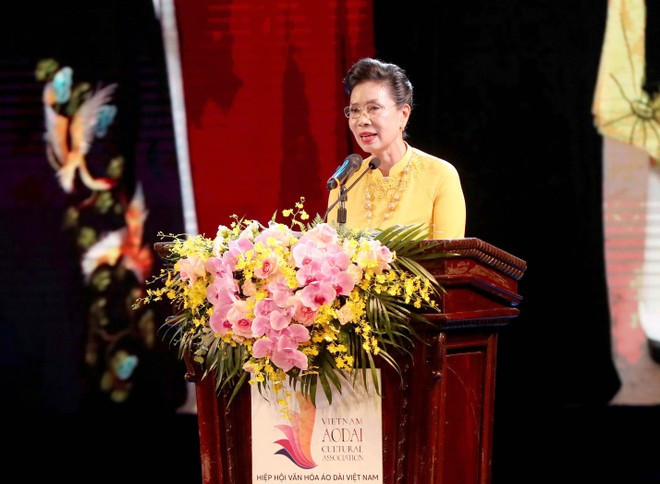
At a time when nations are rediscovering sustainable values, it stands as proof of the enduring vitality of the Vietnamese identity, she said.
For generations, ao dai has embodied elegance, modesty, and grace, reflecting the spirit and personality of the Vietnamese people. Despite the ups and downs of history, it remains a symbol of national pride, deeply tied to the image of Vietnamese women.
Lien emphasised that the association came into being as a result of years of dedication by artisans, researchers, designers, artists, and ao dai enthusiasts. It is designed as a professional and united platform to safeguard and promote this living heritage.
She said to honour ao dai is to preserve the lifeblood of culture, affirming the dignity and soul of Vietnamese women, who President Ho Chi Minh used to praisd with the golden words: heroic, indomitable, faithful, and resourceful.
She stressed that soft yet resilient, ao dai will continue to serve as a cultural envoy carrying Vietnam’s image worldwide.
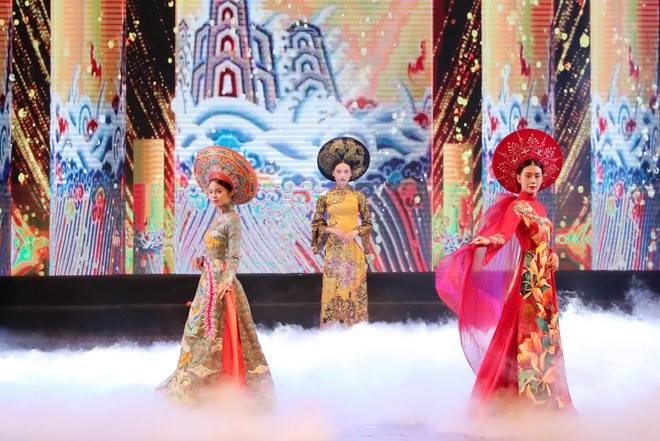
The association aims not only to bring together professionals in design, culture, and history but also to create an inclusive space for the community, where every Vietnamese can contribute to safeguarding and celebrating ao dai as part of their own identity.
In today’s globalised world, the costume blends tradition with innovation. Constantly reinterpreted, it remains vibrant and contemporary while holding fast to its roots.
The association, said Vice President Nguyen Thi Thanh Tam, will unite artisans, designers, and researchers to preserve, promote and spread the beauty of ao dai to communities at home and abroad.
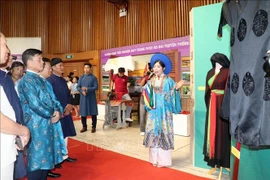
In the time ahead, the association intends to move beyond memory and ceremony, ensuring ao dai becomes a true part of modern life. Its first priorities will be researching, preserving, and bringing into play the historical, cultural, and artistic values of the garment across historical periods and in daily life, from the royal court to the streets. Plans include establishing research institutes, launching projects, and organising seminars and forums on the ao dai culture.
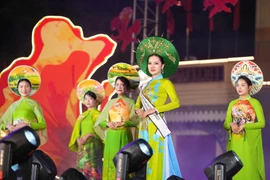
Equally important is global promotion. The association envisions cultural exchanges, art performances, design competitions, and national and international ao dai fashion weeks. By connecting artisans, designers, models, tailors, researchers, and media, it hopes to foster a “creative cultural ecosystem” centred on ao dai.
The group also looks to advise state agencies on policies to support and safeguard the cultural value of ao dai, particularly in education, cultural diplomacy, and the creative economy. It plans to develop digital archives, collections, and resources to serve both research and education, ensuring future generations understand and cherish this legacy.
For designers, the association represents an important springboard. Renowned designer Do Trinh Hoai Nam, Vice President of the association, stressed that it will bring new opportunities for Vietnamese fashion houses abroad.
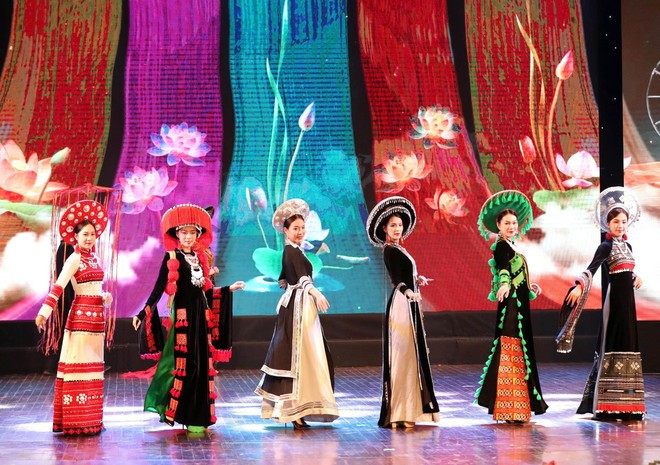
He noted that the association will raise the profile of Vietnamese designers at international fashion weeks while also attracting foreign designers to the country. It is also a chance for Hanoi and Ho Chi Minh City to develop into regional and global fashion capitals.
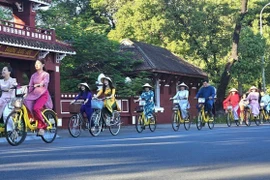
Ao dai has long been celebrated as a cultural treasure. Its flowing form, both modest and elegant, has graced festivals, ceremonies, classrooms, and family photographs for generations. Yet its future depends on keeping it alive in contemporary life – not as a relic, but as a living and evolving heritage.
The first congress of the Vietnam Ao Dai Culture Association, for the 2025–2030 tenure, took place in Hanoi on August 8. A 41-member executive committee was elected, with former Deputy Minister of Culture, Sports and Tourism Dang Thi Bich Lien named President, and Nguyen Thi Thanh Tam Standing Vice President./.