Hanoi (VNA) - Vietnam possesses many favourable factors to develop a dynamic and strong economy, Jens Ruebbert, Chairman of the EU-ASEAN Business Council, President of EuroCham Singapore and Managing Director for the Asia-Pacific region of Landesbank Baden-Württemberg (LBBW), affirmed in an interview with the Vietnam News Agency.
Following is the full text of the interview.
Reporter: Could you share about the main opportunities and challenges that European companies are facing when cooperating with Vietnam? In your opinion, in the future, what will be the most potential areas for the development of economic cooperation between the two sides?
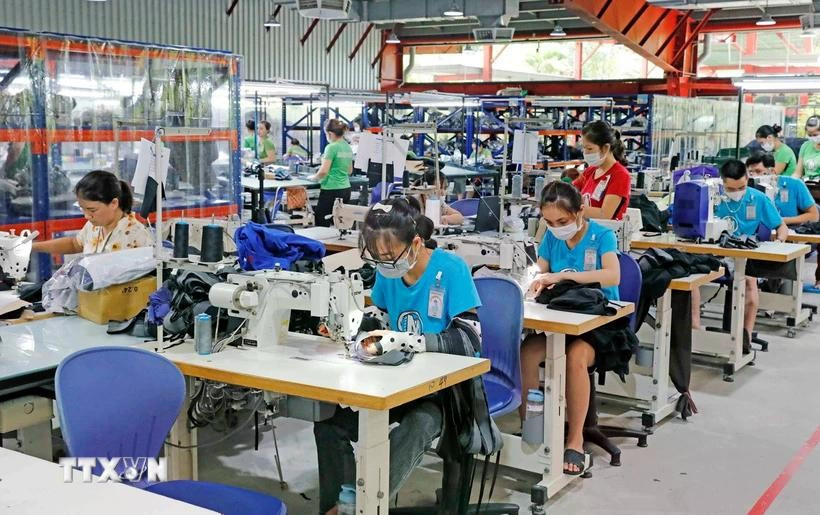
Chairman of EU-ASEAN Business Council Jens Ruebbert: In terms of opportunities, Vietnam has a lot to offer a very dynamic fast-growing economy. The Vietnamese government has always been open and friendly to investment and has implemented many reforms to integrate into the global trade. In addition, a young and eager-to-learn population is also a strength.
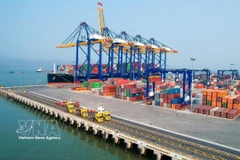
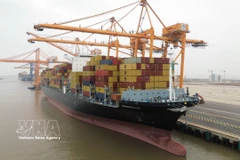
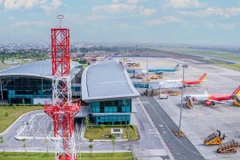
Despite these positive great opportunities, we do see a few challenges in terms of the administrative capacity to implement and consistently push through reforms at regional and local levels, in terms regulatory complexity and in terms of Vietnam’s general infrastructure environment including ports and logistics which should continuously develope further.
Most potential areas of economic cooperation in general is trade; and luckily we are talking about free trade manifested by the EU-Vietnam Free Trade Agreement (EVFTA), in terms of sectors and investment, I would say-green energy/green technology, high-tech & industry 4.0, med-tech & bio-tech as well as mobility & transportation.
Reporter: How has the EU-ASEAN Business Council contributed to connecting Vietnamese companies and government agencies with European countries? Which initiatives do you expect to create significant changes in economic cooperation between the parties?
Chairman of EU-ASEAN Business Council Jens Ruebbert: Personally, I think that the EU-ASEAN Business Council - which works very closely with EuroCham in Vietnam - has connected European companies with Vietnamese government agencies at a deep level. We conduct mission trips every year, bringing large business delegations from Europe to Vietnam to work directly with ministries, discussing urgent issues in many fields. Last year, we organised a mission trip with more than 120 delegates from more than 50 companies, meeting with nearly 20 Vietnamese ministries.
Regarding current initiatives, I highly appreciate the following three points. The first is the excellent economic perspectives in Vietnam with an ambitious GDP growth target of 8% in 2025.
The second is the most significant governance restructuring since Doi Moi, which the National Assembly finalised in February, this will be a beginning of a new economic ambition.
Finally, Resolution No. 57-NQ/TW dated December 22, 2024 of the Politburo on breakthroughs in science, technology, innovation and national digital transformation, identifying science, technology and innovation as the driving force for Vietnam's further economic development.
Reporter: How do you assess the impact of Vietnam's tax and customs reforms on the business environment and the development of European companies in Vietnam? Have these reforms met the expectations of international companies in facilitating import and export and reducing transaction costs?
Chairman of EU-ASEAN Business Council Jens Ruebbert: Over the years, Vietnam has implemented many major tax and customs reforms to improve the business environment, attract foreign investment and integrate more deeply into the global economy. These reforms are particularly important for European businesses operating in Vietnam.
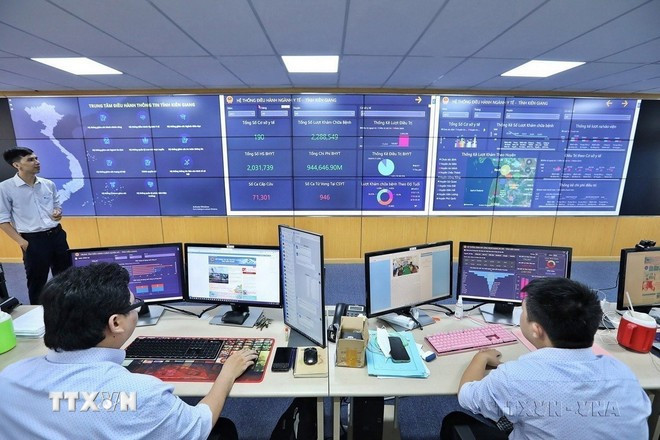
Vietnam's tax and customs reforms currently focus on simplifying procedures, increasing transparency and aligning with international standards. Key reforms include streamlining customs procedures such as reducing time and complexity in customs procedures, implementing national and ASEAN single windows, helping businesses submit documents electronically and minimising procedures.
In addition, from 2021, the Department of Vietnam Customs will implement a programme to support businesses in voluntarily complying with customs laws, helping to reduce costs and customs clearance times.
At the same time, it is modernising tax management by implementing e-invoices and electronic tax declaration and payment systems, reducing the bureaucratic burden for businesses.
As committed in free trade agreements such as EVFTA, Vietnam has reduced tariffs on many products, benefiting European businesses.
All of the above reforms have had a positive impact on Vietnam's business environment. Accordingly, the simplification of customs procedures and electronic systems helps reduce transaction costs and time, especially for businesses that depend on fast supply chains.
Lower tariffs and simpler processes make Vietnam an attractive destination for European businesses looking to expand production or invest, increasing competitiveness
In particular, improved transparency and compliance with international standards have increased Vietnam’s attractiveness for foreign direct investment (FDI).
European businesses have welcomed these reforms in Vietnam as they have brought many benefits such as facilitating trade and increasing the volume of exchanges between Vietnam and the EU; reducing transaction costs through electronic filing and payments; and improving business predictability, which is important for long-term planning and investment.
However, I believe that there are still challenges such as the implementation of reforms is sometimes inconsistent due to differences in administrative capacity at the local level, and the regulatory environment in Vietnam still needs to be streamlined and clarified. With increasing trade volumes, Vietnam’s infrastructure, including ports and logistics networks, needs to be further upgraded to meet the demand.
Reporter: Thank you./.