Vietnam-Yunnan rail tourism sees strong growth

In the first half of this year, group tourist arrivals from Vietnam to China's Yunnan via Hekou had reached a record 27,200, up 74.68% year-on-year. The spike highlights a shift in travel preferences among Vietnamese tourists, with high-speed rail emerging as a preferred mode of cross-border transport.

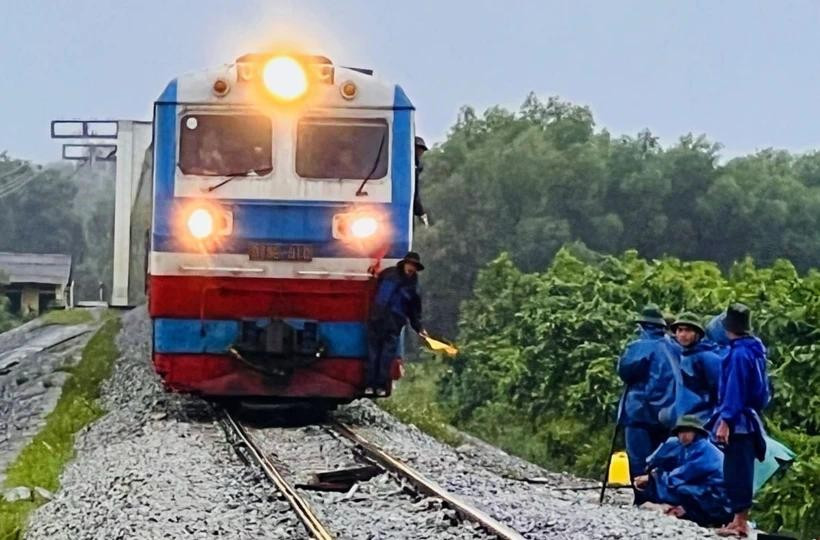
Illustrative Image (Photo: VNA)

Beijing (VNA) - Vietnamese tourist arrivals in China’s Yunnan province have surged this year, with group travel via cross-border rail routes becoming increasingly popular, especially through Yunnan's Hekou border gate.

Yunnan, a key gateway between China and Southeast Asia, has significantly invested in transport infrastructure, especially railways, to boost trade and tourism. The operation of key rail lines such as Yumeng, Menghe, and Nimeng has shortened travel time and strengthened cross-border connectivity between China and Vietnam, supporting their growing economic and cultural ties.

The Hekou North Station, located at the China-Vietnam border, has become a major departure point for these journeys. To enhance visitor experience, Yunnan authorities have increased the number of high-speed trains, upgraded inspection facilities, and installed bilingual signage at stations including Hekou North and Honghe.

In coordination with border authorities and tour operators, the local railway sector is also optimising scheduling to prevent congestion and ensure smooth travel.

In the first half of this year, group tourist arrivals from Vietnam to Yunnan via Hekou had reached a record 27,200, up 74.68% year-on-year. The spike highlights a shift in travel preferences among Vietnamese tourists, with high-speed rail emerging as a preferred mode of cross-border transport.

As transportation infrastructure continues to improve and bilateral ties deepen, cross-border railway tourism is expected to remain a dynamic growth trend, fostering not only tourism but also cultural and economic exchanges between the two nations./.

VNA

See more

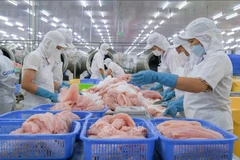
Processing pangasius for export at Caseamex Joint Stock Company, Tra Noc Industrial Park, Can Tho city. (Photo: VNA)

Seafood sector targets 11.5 billion USD in exports in 2026

In 2026, the sector aims for total seafood output of more than 10 million tonnes, up 0.6% from 2025. Of the total, capture fisheries are expected to reach about 3.75 million tonnes, down 2.1%, while aquaculture output is projected at 6.25 million tonnes, up 2.2%. Seafood export turnover is targeted at around 11.5 billion USD.

Vietnam's GDP expands by more than 8% in 2025. (Photo: VNA)

International financial institutions optimistic about Vietnam’s 2026 growth

As Vietnam enters 2026 - the first year of the 2026–2030 socio-economic development plan, international organisations stress that maintaining macroeconomic stability, improving growth quality and staying the course on fundamental reforms will be crucial in turning positive assessments into tangible outcomes and shaping a more sustainable development cycle ahead.

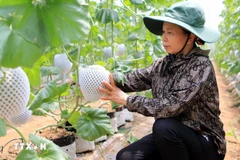
The application of Israeli technology in melon cultivation has delivered high economic efficiency (Photo: VNA)

VIFTA provides impetus for Vietnamese exports to Israel

The greatest benefit generated by the VIFTA lies in the immediate removal or phased deep reduction of many tariffs, significantly improving the price competitiveness of Vietnamese goods. At the same time, clearer provisions on rules of origin, customs procedures and trade remedies are helping foster long-term business partnerships.

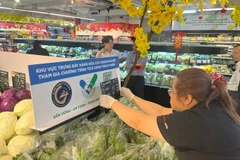
Vegetables with a green tick at a supermarket in Ho Chi Minh City. (Photo: VNA)

“Green tick” products ready for Tet holiday

Products bearing the city’s “green tick of responsibility” label, which indicates clear origin and verified quality, are increasingly visible on shelves and drawing strong consumer attention.

Imports and exports at Lach Huyen container port in Hai Phong city (Photo: VNA)

2026 Economic Census kicks off on January 7

The 2026 census aims to fully, comprehensively and objectively assess the current situation of economic establishments nationwide, including enterprises, public service units, associations, religious institutions and individual business households.​

A booth at the VietAGROS 2025 (Source: Organiser)

Int’l agricultural, environmental technology fair set for Can Tho

The organisers aim to strengthen links between suppliers of modern agricultural inputs and machinery and farmers, thereby helping producers access technologies in crop cultivation, livestock farming and aquaculture, adopt sustainable production processes and reduce greenhouse gas emissions.

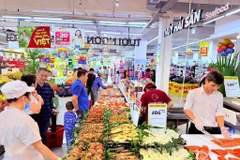
At a supermarket in HCM City (Photo: VNA)

National retail strategy lays foundation for new growth phase

A key focus of the strategy is encouraging enterprises from all economic sectors to participate in retail development in forms and at scales suited to their capacity. It highlights the formation of a strong domestic distribution backbone through initial incentives in mechanisms, financial policies and land access, while gradually fostering large corporations and enterprises in the distribution sector.