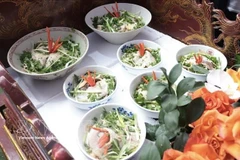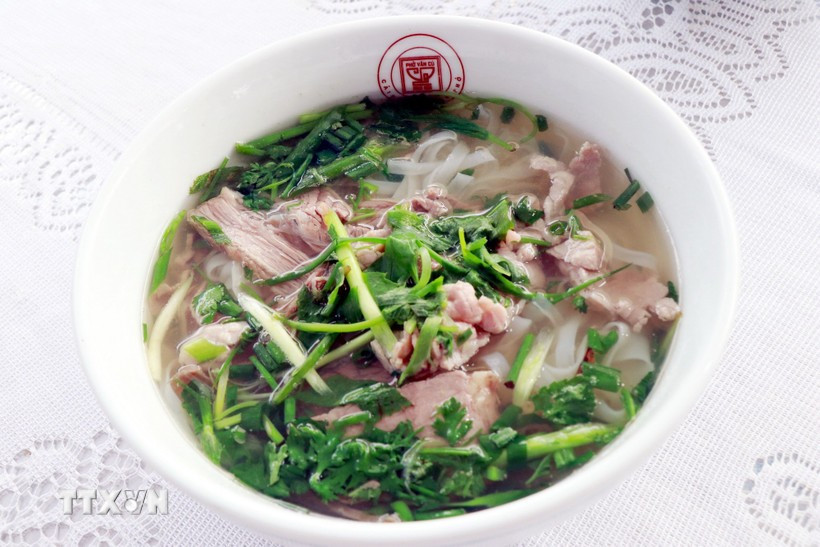
Ninh Binh (VNA) – Preserving and leveraging the folk wisdom behind “Nam Dinh-style pho”, now recognised as Vietnam’s national intangible cultural heritage, isn’t just about saving a beloved noodle soup. It’s a full-throttle push to guard a living cultural heritage and turn it into an engine for sustainable economic growth and tourism.
Van Cu – cradle of pho craft
Connoisseurs frequently cite “pho Co” as the gold standard of traditional pho, where handed-down family recipes and time-honoured techniques create pure magic in a bowl. The nickname stems from a village in what used to be Nam Dinh province, now merged into Ninh Binh, heavily populated by folks surnamed Co.
In what was once Nam Dinh province, now part of Ninh Binh, a village populated largely by those with the surname Co gave rise to the term. The origins trace back to Van Cu village in Nam Dong commune, long regarded as the cradle of pho making in Vietnam. For generations, locals have stuck to the trade, keeping alive the skills that turned a simple soup into a national icon.
Van Cu was originally known for churning out traditional rice vermicelli and fresh rice sheets. During winter or rainy seasons when sunlight was scarce for drying, villagers sold the sheets fresh. Urban consumers came to prefer the soft, pliable texture. Eventually, locals began slicing the sheets into thin strands, calling them “pho”. The earliest bowls swam in crab broth, but the recipe leveled up with long-simmered chicken and pork bones, giving rise to the dish now known as pho.
In the early 20th century, French colonial projects, including the Nam Dinh textile factory and Hanoi’s Long Bien bridge, brought new demand. Wandering vendors adapted by making fragrant beef broth to win over French taste buds. Diners were so impressed that they began calling it “pho Co”, meaning pho cooked by members of the Co family.
From humble shoulder-pole stalls, the trade flourished in Van Cu. Villagers honed closely guarded expertise in noodle production, broth simmering, and meat preparation.
Co Huu Kien, a 90-year-old veteran noodle maker in the village, recalled that early pho noodles were made by soaking rice in clean water, grinding it with stone mills, steaming into sheets using basic rods, and hand-slicing every strand. The result was perfectly chewy, supple, and soft.
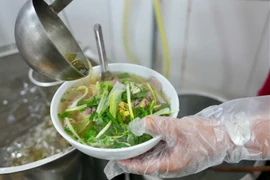
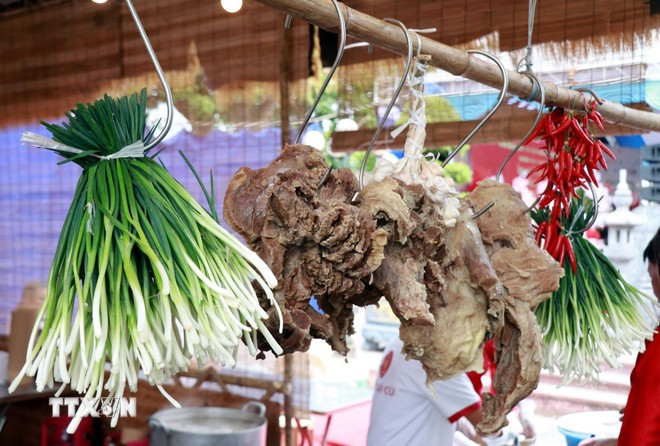
To produce a rich, aromatic broth, Van Cu artisans perfected multi-generational techniques. Beef and pork bones form the base, with methods developed to eliminate off-odors while extracting natural sweetness and depth. Fresh veggies and herbs strike the perfect balance for a clear, subtly sweet stock.
Beyond spices like cardamom, star anise, and cassia hauled from Vietnam’s northwest, ingredients such as fish sauce, salt, and shallots are sourced carefully from Ninh Binh’s coastal areas. The precise selection and inherited family methods deliver a bowl of pho infused with the cultural signature of historic Nam Dinh.
In Hanoi, Van Cu natives established several landmark pho eateries, including Pho Co Cu, Pho Bat Dan, Pho Hang Dong, and Pho Ngoc Vuong. Today, villagers run more than 130 pho restaurants and 30 production facilities across the country.
A living heritage in modern era
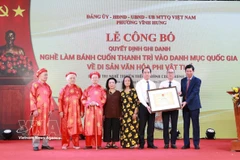
In 2022, the Van Cu Pho Association sprang up as a common home for villagers engaged in the profession, playing an important role in preserving and upholding traditional values. Its deputy head Vu Ngoc Vuong said many younger villagers have carried the trade nationwide as a livelihood.
The association unites 50 members practicing the craft across Vietnam. They regularly share knowledge to maintain the authentic taste of Van Cu pho, join culinary festivals to wow domestic and foreign visitors, and encourage the next generation to sustain the profession.
To spread the traditional craft village’s value and fuse culture with tourism, Nam Dong commune has rolled out activities honouring the pho trade, building the brand, fostering tourism connectivity, and raising awareness of food safety and hygiene.
Nguyen Van Sinh, Chairman of the communal People’s Committee, said the commune has recently teamed up with experts, artisans, and pho making community to compile additional evidence and data for a UNESCO nomination dossier seeking world heritage status for Vietnamese pho.
Concurrently, communal authorities are exploring an 8.6-ha pho trade zone in front of Van Cu communal house, designed to preserve the traditional village while fostering experiential tourism.
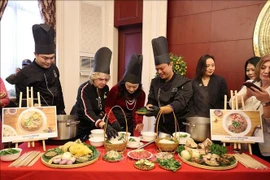
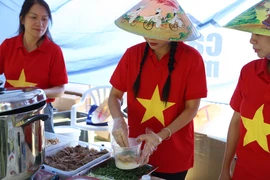
The Pho Festival 2026 is set to run from March 19–22 at Thien Truong pedestrian street in Thien Truong ward, Ninh Binh province. Around 50 booths run by firms and leading pho brands nationwide will feature demonstrations, promotions, and exhibits chronicling how Vietnamese pho spread and evolved./.