Rivers transformed into unique cultural spaces of Hue

While the Huong (Perfume) River defines Hue as a riverside city, these canals create a quieter, more intimate landscape closely tied to local life.

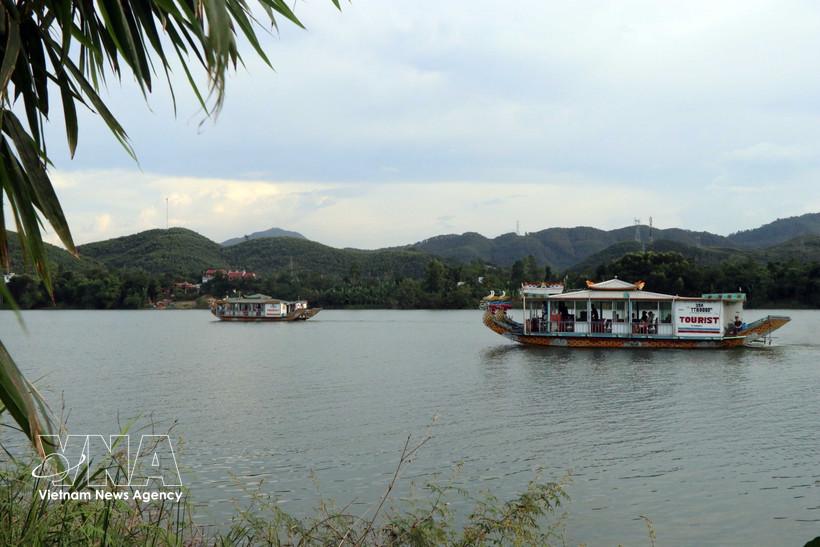
River tourism activities in Hue (Photo: VNA)

Hanoi (VNA) – Rivers and canals that once served the Nguyen Dynasty’s imperial court have now been transformed into unique experiential spaces at the heart of Hue, a heritage city that is popular among domestic and foreign visitors.

Within the urban structure of the Hue Imperial Citadel lies a network of canals -locally known as “man-made rivers” - that encircle and run through the inner city.

The most significant are the Dong Ba and Ngu Ha waterways, artificial canals once used to transport food and goods into the imperial capital. Ngu Ha connects with the citadel’s defensive water system, passing landmarks such as Tinh Tam Lake and Tang Thu Pavilion, while the Dong Ba River - also called the Ta Ho Thanh moat - runs along the eastern ramparts, linking Dong Ba Market with the old quarters of Gia Hoi and Chi Lang before flowing to Bao Vinh, once a bustling trading port.

While the Huong (Perfume) River defines Hue as a riverside city, these canals create a quieter, more intimate landscape closely tied to local life.

According to Cung Trong Cuong, Director of the Hue City Institute for Development Studies, the Dong Ba–Ngu Ha system could offer a distinctive tourism experience, as the canals are well suited to river routes connecting heritage sites, historic neighbourhoods and daily urban life.

Vo Le Nhat, Secretary of the Party Committee of Phu Xuan ward, said developing river tourism along tributaries of the Huong River will diversify tourism services and unlock underused potential in the citadel and old quarters, particularly cultural and culinary spaces. However, further investment in landscaping, lighting and visitor facilities is needed.

Beyond opening new sightseeing routes, waterways could provide an alternative gateway to the Imperial Citadel, where narrow streets and historic gates limit access for large tour vehicles.

Duong Cam Van, a guide at the Hue Monuments Conservation Centre, said future boat routes would allow visitors to approach the citadel differently - travelling by water after visiting royal tombs and docking directly inside the heritage complex near traditional garden houses or heritage-style restaurants.

Reviving cultural spaces long left dormant

Before the 2000s, the Dong Ba River hosted floating communities, while Ngu Ha fell into neglect due to sedimentation and stagnant water. Restoration efforts began in the late 2010s and have recently accelerated, with dredging, embankment reinforcement and riverside walkways helping reintegrate the canals into urban life.

Reintroducing boats is not only about tourism expansion but also about reviving cultural spaces long “silted up” within the citadel. Tree-lined waterways, old houses behind ancient walls and Hue’s slow-paced lifestyle, together with traditional cuisine, could become key elements of visitor experiences.

River tourism may also reconnect cultural traditions, including classical opera performances staged along water routes.

Nguyen Manh Cuong, Vice Chairman of Hoa Chau ward People’s Committee, said river tours could create new opportunities for Bao Vinh old town, whose residents increasingly see development potential similar to Hoi An if managed appropriately.

Small family businesses, such as Ma Bakery in a riverside heritage house, already attract foreign visitors interested in traditional cake-making. Direct boat access from the city centre could further strengthen experiential tourism.

Under Hue’s inland waterway tourism plan, routes will connect heritage sites, craft villages and historic quarters from the Imperial Citadel to Bao Vinh, Thanh Ha and riverside communities along the Huong River.

Tran Thi Hoai Tram, Director of the municipal Department of Tourism, said Hue is pursuing a coordinated strategy including clean-energy electric boats, upgraded docks and experience-based routes linked to heritage and the night-time economy to extend visitor stays.

When the first electric boats begin operating along the Ngu Ha–Dong Ba route in this April, canals that once served the imperial capital are expected to become living cultural spaces within Hue’s evolving heritage city./.

VNA
See more

Illustrative Image (Photo: VNA)

Pho Festival 2026 to take place in Ninh Binh from March 19 - 22

Held under the theme “Vietnamese Pho – A living heritage in the modern era”, the festival aims to honour the country’s traditional 'pho' craft while contributing practical evidence and data to support the preparation of a dossier seeking UNESCO recognition for 'pho' as a world cultural heritage.

The Vietnamese national team has announced its 23-player squad in preparation for important international matches during the FIFA Days in March. (Photo: VFF)

Vietnamese squad sees fresh talents, seasoned players for FIFA Days

During this FIFA Days, Vietnam will host Bangladesh in an international friendship match at Hang Day Stadium in Hanoi on March 26, before travelling to Ninh Binh for a clash against Malaysia on March 31 at Thien Truong Stadium in the final round of qualifiers for the AFC Asian Cup 2027.

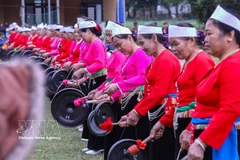
A performance of Muong gongs at a village festival at Coi communal house, Lac Son commune, Phu Tho province. (Photo: VNA)

Hung Kings Temple Festival to feature Muong culture for first time

The Muong culture showcase at Hung Kings Temple Festival 2026 will include the re-enactment of traditional rituals, folk songs, gong performances, and daily life. This is expected to enrich the festival while offering visitors deeper insight into the spiritual life of communities in Vietnam’s midland regions.

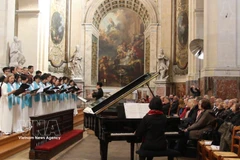
Que Huong (Homeland) Choir performs at the 28th International Choir Festival of Paris at Saint Roch Cathedral. (Photo: VNA)

Vietnamese choir shines at 28th International Choral Festival Paris

At the 28th edition of the festival, which ended on March 15, the Vietnamese delegation left a memorable impression as the Que Huong Choir was invited to perform as the second act of the programme. This prominent position reflected the organisers’ recognition of the artistic quality and reputation of the Vietnamese choir.

The Digitised Library of Vietnamese Dao Mau is developed as part of the Go Chau Thien Hoi project. (Photo: VNA)

Project digitises heritage to engage youth

Since its launch in November 2025, the Go Chau Thien Hoi project has attracted more than 700 students from over 120 universities and colleges nationwide, and has recorded over 100,000 views across digital platforms, which demonstrates significant interest among young people in the heritage.

Digital skills are considered a crucial “key” helping civil servants perform their duties more efficiently. (Photo: VNA)

Code of conduct aims to foster healthy digital culture

Under a new code of conduct for cultural behaviour in the digital environment, users are required to comply with Vietnamese laws, respect the legal rights and interests of all organisations and individuals, act in a civilised and respectful manner, and preserve the cultural identity, ethical values, and noble traditions of the Vietnamese people.

International visitors experience drinking West Lake lotus-infused tea (Photo: VNA)

Vietnam becomes increasingly popular destination for French tourists

French tourists are particularly interested in Vietnam’s cultural and historical values as well as its traditional identity. Authentic experiences such as exploring mountainous areas, learning about ethnic minority communities, enjoying local cuisine and discovering the country’s history are especially appealing to them.

VinFast expands presence in Southeast Asia

VinFast expands presence in Southeast Asia

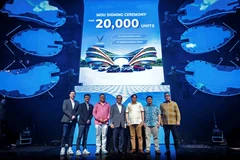
Indonesia's PT Sembilan Benua Abadi is expected to purchase 10,000 VinFast EVs by the end of 2027, while PT. Satu Kosong Tujuh plans to acquire 10,000 units by the end of 2028. All vehicles will be deployed for commercial transportation services.

The Executive Committee of the Vietnam Ao Dai Heritage Club in Laos make debut. (Photo: VNA)

Ao dai helps promote Vietnamese culture in Laos

The club operates under the Vietnam Ao Dai Heritage Club of the Vietnam Cultural Heritage Conservation Support Fund, aiming to preserve and promote the values of the Vietnamese traditional dress among the Vietnamese community in Laos.

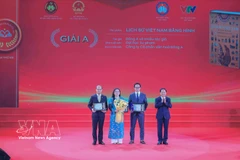
Head of the Party Central Commitee's Commission for Information, Education and Mass Mobilisation Trinh Van Quyet (first, right) presents A prize to the winning authors and groups of authors. (Photo: VNA)

More than 50 outstanding books honoured at 8th National Book Awards

Two A prizes, the highest distinction of the awards, were granted to Lich su Vietnam bang hinh (Vietnamese History in Pictures) by Dong A and multiple authors, jointly published by the Publishing House of Hanoi National University of Education and Dong A Culture Joint Stock Company.