Phu Tho (VNA) – For generations, the worship of the Hung Kings has become an integral part of Vietnam's cultural identity and traditional values, reflecting the deep gratitude of each new generation towards their ancestors for their contributions to the founding and protection of the nation, and becoming a factor to nurture national solidarity.
Since the practice of worshipping the Hung Kings in Phu Tho was recognised as an Intangible Cultural Heritage of Humanity by UNESCO, it has further strengthened the national pride and the spirit of “drinking water, remembering the source,” a deeply rooted Vietnamese tradition. Over time, the practice has spread widely and continues to thrive.
Preserving source of tradition
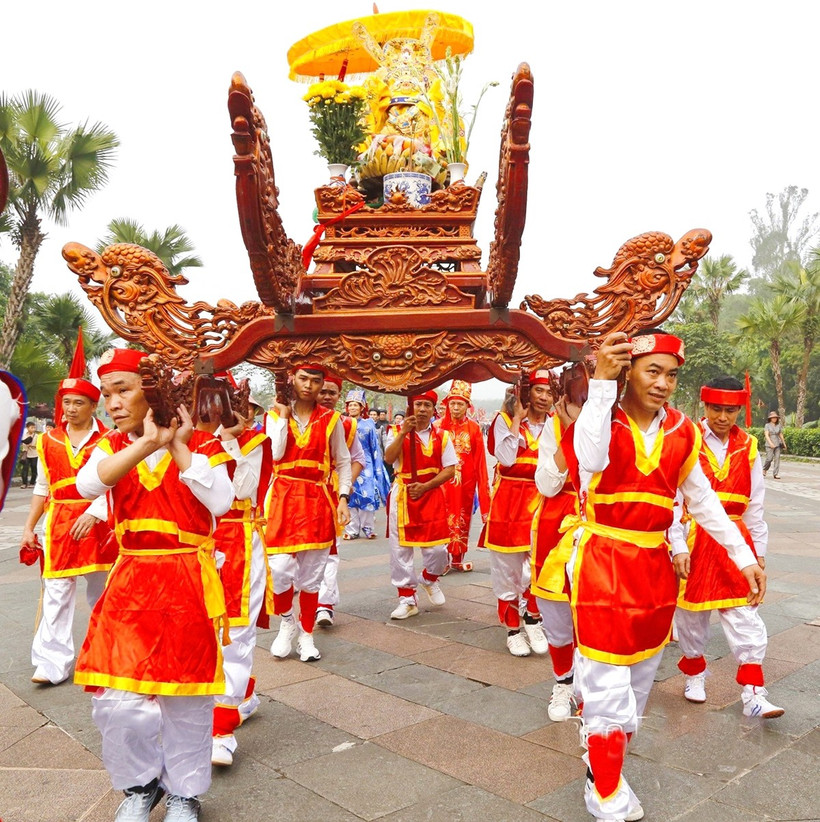
Phu Tho is the cradle of the nation, the birthplace of the worship of the Hung Kings, with the Hung Kings Temple historical site being the largest and most significant place of worship, where solemn and respectful ceremonies take place.
Each year, during the Hung Kings Commemoration Day (the 10th day of the third lunar month), the province attracts millions of visitors, including overseas Vietnamese, to offer incense and pay their respects. As such, the preservation and promotion of the values of the Hung Kings worship are always a priority for Phu Tho.
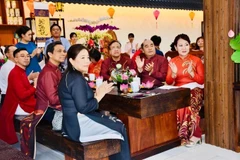
Pham Thi Hoang Oanh, Deputy Director of the Hung Kings Temple Historical Relic Site, stated that to pass this heritage on to future generations, the province has developed a national action programme to protect and promote the worship of the Hung Kings in Phu Tho.
The province focuses on raising awareness and building the capacity of the community, and organises solemn, respectful ceremonies at the Hung Kings Temple and in villages across the province each year.
Phu Tho has also integrated heritage education into schools, extended inventory work to include monuments nationwide, and undertaken research into rituals, performances, and practices related to the worship of the Hung Kings in Vietnamese villages. Social groups have also been established to teach the rituals, performances, and practices of the Hung Kings worship in Phu Tho.
The province has invested in restoring and building new sacred spaces, and reviving many worship traditions, festivals, and folk performances. Thanks to these efforts, Phu Tho currently preserves 345 monuments dedicated to the Hung Kings and other figures related to the era of the Hung Kings.
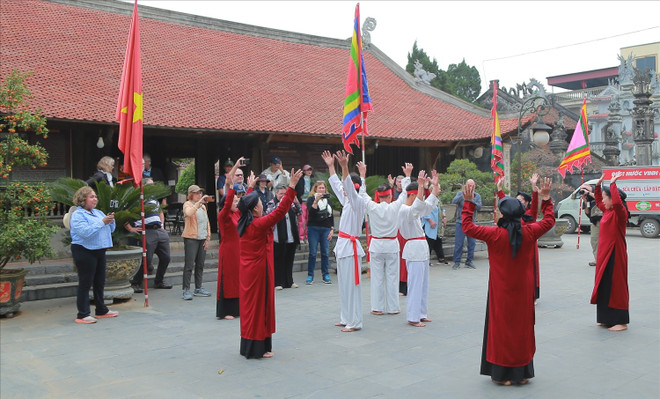
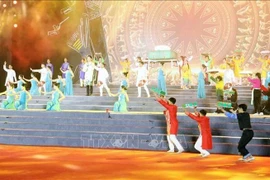
Phu Tho is particularly focused on diversifying activities to introduce the values of this tradition to a wider audience. Each year, the province organises numerous events to promote the cultural heritage of Hung Kings worship, allowing people to better understand the significance of this heritage, Oanh stated.
Expanding practicing spaces
Across Vietnam, there are 1,417 monuments to the Hung Kings and their family, generals, and other figures from the Hung Kings era.
For example, Ho Chi Minh City has 12 sites dedicated to the Hung Kings. On the Hung Kings Commemoration Day, locals visit these sites to offer incense and participate in lively cultural and artistic activities.
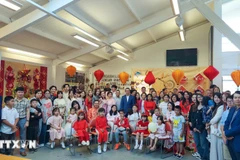
Not only in Vietnam but also globally, there are temples dedicated to the Hung Kings, such as in the US, Canada, and Australia, and places where the Vietnamese diaspora gathers to pay respects. In countries like Russia, the Czech Republic, and Laos, overseas Vietnamese communities have established sites for worship and participate in rituals to honour their ancestors.
The practice of worshipping the Hung Kings has spread far and wide, with Vietnamese communities wherever they live honouring the kings as part of their ancestral worship.
In particular, in 2015, some overseas Vietnamese initiated the Global Vietnam Hung Kings Day project, an international event that celebrates the spiritual and cultural values of the Vietnamese people. The project, which honours the heritage, culture, traditions, customs, food, and especially the spiritual practice of Hung Kings worship, helps promote Vietnam’s image globally while fostering national unity and connecting overseas Vietnamese with their homeland.
Over the past 10 years, the project has hosted both in-person and online ceremonies to commemorate the Hung Kings, connecting Vietnamese intellectuals, overseas Vietnamese, and international friends from nearly 50 countries. This has contributed to the preservation of the Hung Kings worship and reinforced national unity, while spreading the values of Vietnamese culture and humanity./.