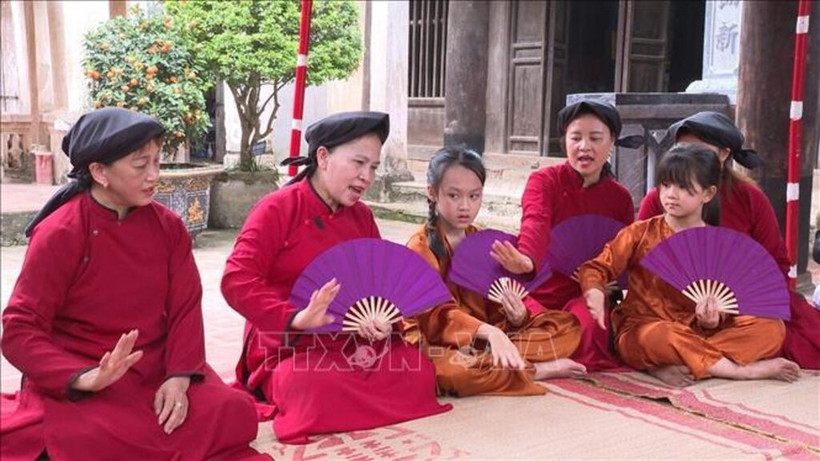
Phu Tho (VNA) – Hat Xoan (Xoan singing), a valuable intangible cultural heritage of Phu Tho province, is linked to the worship of the Hung Kings, a belief rooted in the Vietnamese practice of ancestor worship.
According to researchers, Xoan singing in Phu Tho and the worship of the Hung Kings have a strong bond as the singing is performed during the ritual. With its rustic melodies and simple yet culturally rich lyrics, the art form not only reflects the spiritual life of local people but also helps affirm the nation’s cultural identity on the world heritage map.
Unique values rooted in national cultural origin
Researchers said that the Xoan villages in Phu Tho all originated from ancient villages of the early nation-state, previously known as Van Lang. Therefore, the art generated from these villages contains historical and cultural elements dating back to the time the nation was founded. Xoan singing has a close bond with festivals and the spiritual life of local residents.
The origin of the art has various versions told in the form of legends during the Hung Kings’ era. One of them states that Xoan singing was performed in spring to welcome the New Year and also to pray for good weather, bumper crops, wealth, fortune, peace, and blessings for the Hung Kings.
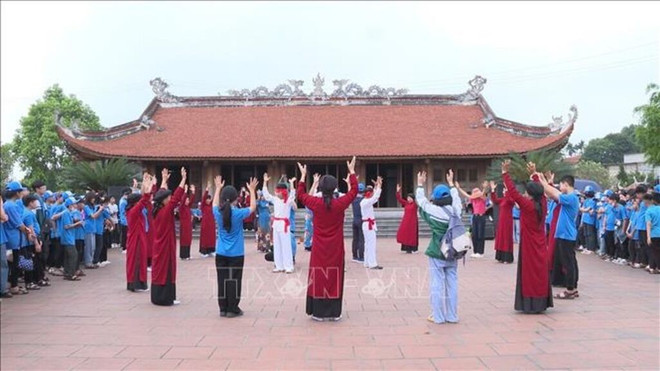
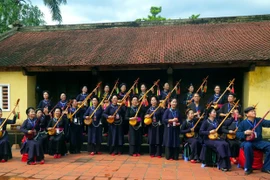
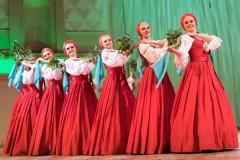
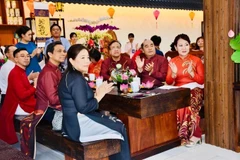
Artisans perform Xoan singing at Lai Len Temple, attracting a large number of locals and tourists. (Photo: VNA)
The singing is a type of traditional art performed during rituals and celebrations, comprising multiple elements of melodies, singing, and dancing that serve the spiritual needs of the community.
Pham Ba Khiem, a folklore researcher from Phu Tho province, noted that Xoan singing is not just a performing art but also a significant repository of cultural knowledge. It reflects the labour, emotions, and customs of agricultural communities in the northern midland region. Each melody allows listeners to feel a deep love for their homeland, a sense of community, and a longing for a prosperous life.
The unique value and enduring vitality of Xoan singing have been recognised globally. In 2011, UNESCO listed the art genre as an intangible cultural heritage in need of urgent safeguarding. Just six years later, in 2017, thanks to concerted efforts by the political system, community support, and the dedication of artisans, Xoan singing was removed from the urgent safeguarding list and named in the Representative List of the Intangible Cultural Heritage of Humanity.
Expanding heritage preservation spaces
Over the past years, provincial authorities have implemented a range of measures to preserve and promote the art genre. The locality has restored activities of four original Xoan wards — Phu Duc, Thet, Kim Doi, and An Thai. It has renovated communal houses – the traditional performance space, and organised festivals featuring Xoan singing. Senior artisans have been encouraged to teach young people, fostering a new generation of performers.
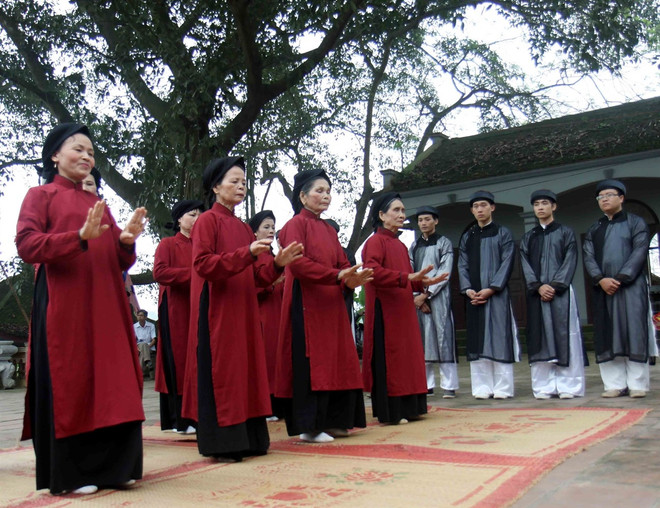
Phu Tho's artisans perform Xoan singing. (Photo: VNA)
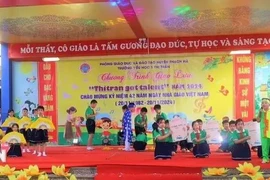
A key highlight is the introduction of Xoan singing into schools. From primary to lower secondary levels, students learn basic melodies and explore the history, customs, and cultural significance of the heritage. Many children have become the next-generation “seeds”, carrying forward the passion passed down by the artisans.
Performance programmes, festivals, and exchanges of Xoan singing have been regularly organised, both honouring the traditional art and encouraging community engagement.
Notably, linking the art with tourism has opened up new opportunities. Tours to the Hung Kings Temple, the Hung Lo ancient village, and historical sites in Phu Tho now include experiences of listening to, watching, and practicing the singing, leaving a lasting impression on visitors.
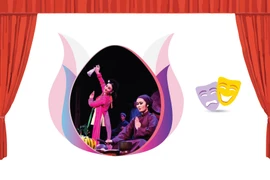
Today, Xoan singing is being not only preserved in its original form but also renewed and reinvented to match the contemporary life. Many young artists are experimenting with adding modern elements to traditional melodies, creating musical works that are both imbued with the heritage’s essence and attractive to the young. Some shows have even combined Xoan with other art forms like dances, plays, and lighting, further enhancing its charm.
Many artisans and clubs have also impressed international guests when performing at major events, helping popularise the image of a hospitable and culturally diverse Vietnam to the world.
Preserving and promoting Xoan singing is not only about safeguarding an art form but also affirming cultural identity and fostering the Vietnamese people’s solidarity, national pride, and aspirations. As long as Xoan singing echoes, the cultural lifeblood of the ancestral land will continue to flow, enriching the spiritual life of the people and strengthening Vietnam’s cultural presence in the world./.