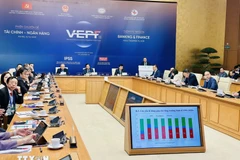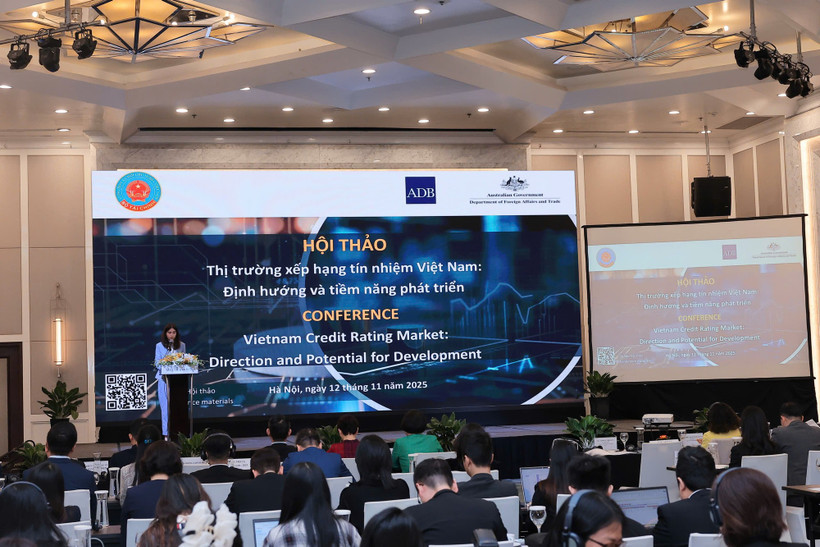
Hanoi (VNA) – The Ministry of Finance and the Asian Development Bank (ADB) co-hosted a workshop titled “Vietnam’s Credit Rating Market: Orientation and Development Potential” in Hanoi on November 12, to discuss Vietnam’s credit rating market, new regulations, and its role in the capital market.
Credit ratings – tool to promote market transparency
Adressing the event, Pham Thi Thanh Tam, Deputy Director of the Department of Financial Institutions under the Ministry of Finance (MoF), said credit rating activities have been established in Vietnam since 2014, and this service has increasingly contributed to enhancing market transparency, thereby supporting the safe and sustainable development of the market.
Credit rating activities offer multifaceted benefits, Tam said, noting that for investors, credit rating results provide an objective assessment of an issuer’s financial capacity and repayment ability, offering investors an effective tool to evaluate and analyse risks before making investment decisions.
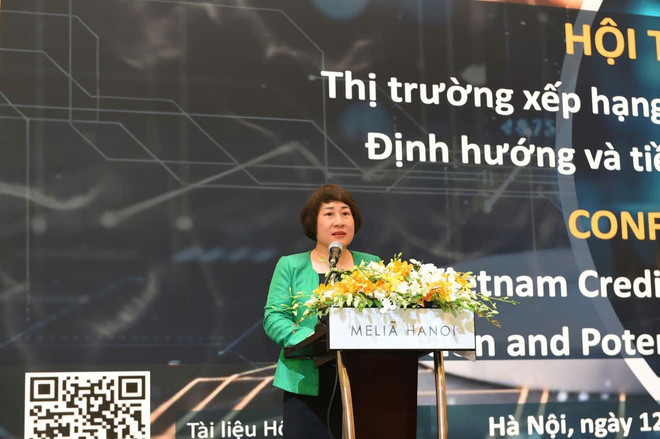
For businesses, a strong credit rating not only enhances financial transparency but also provides an opportunity to lower capital-raising costs, she added.
The development of the market has been reflected in key legal advances. Since 2023, mandatory credit ratings have applied to publicly issued corporate bonds, and from 2024 to privately placed bonds. Most recently, Decree No. 245/2025/ND-CP officially requires credit ratings for all public bond issuances.
Thanks to these efforts, the number of companies voluntarily obtaining credit ratings has risen significantly. Notably, in the first 10 months of 2025, the value of rated bond issuances reached 287.4 trillion VND, 2.1 times higher than the same period in 2024. By the end of October 2025, the total outstanding rated corporate bonds stood at nearly 461 trillion VND, accounting for about 33.7% of the total market debt.
Credit ratings serve as a tool for issuers to optimise capital costs, manage interest rates and maturities, and diversify funding sources, according to Ba Thi Thu Hue, Commercial Director at FiinRatings.
Hue noted that credit rating results are used as a basis for negotiations, expanding the network of potential investors, and improving credit profiles for future transactions.
Legal framework and international governance standards
At the workshop, experts also highlighted the legal framework and best international practices for credit rating activities.
Le Minh Hung from the Securities Offering Management Board under the State Securities Commission (SSC) said the SSC has reviewed the development of legal regulations, from the strategy for development of Vietnam's securities market in 2012, to current decrees.
Arabella Bennett, Second Secretary at the Australian Embassy in Vietnam, stressed that sredit ratings are a key tool for reducing capital costs and ensuring appropriate interest rates, thereby supporting Vietnam’s green and sustainable growth objectives.

Bennett also emphasised the close collaboration of the Australian Government and the ADB in supporting Vietnam’s credit rating market to improve its reliability and transparency.
Representing the ADB, Maria Joao Pateguana, Head of Private Sector Development in Vietnam, reaffirmed the bank’s commitment to helping Vietnam develop a transparent, reliable, and investor-friendly credit rating ecosystem.
She expressed the desire to further strengthen collaboration with the MoF and relevant stakeholders to promote good practices, enhance market confidence, and create new opportunities for sustainable growth.
In addition to market regulations, the quality and independence of credit rating agencies were also put on the table.
Raman Uberoi, Senior Advisor for Government & Regulatory Relations at CRISIL Limited, offered recommendations on revising the legal framework and oversight, emphasising the need to strengthen internal governance systems within credit rating agencies.
He stressed the need for Vietnam to raise the minimum charter capital requirement and adjust the legal framework to impose stricter corporate governance standards.
Issues discussed at the workshop contributed to conveying the Government’s strong message of promoting a transparent and healthy credit rating market, forming a culture of credit ratings in Vietnam as a reliable reference for domestic and foreign investors./.