Efforts urged to promote cashless payment

Relevant authorities are requested to swiftly implement measures to encourage non-cash transactions, enhance direction and guidance, and conduct widespread communication campaigns to promote cashless payments.

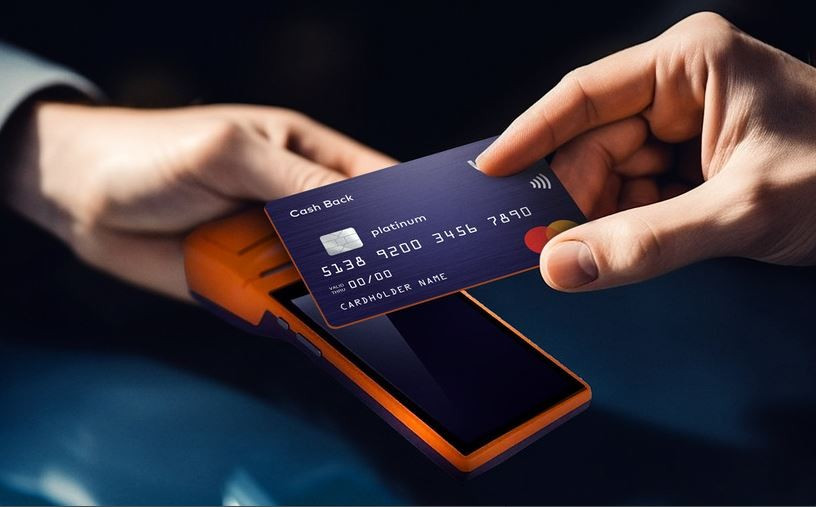
Cashless payment becoming more popular in Vietnam. (Photo: VietnamPlus)

Hanoi (VNA) – Deputy Prime Minister Ho Duc Phoc has signed an official dispatch on July 30 to urge ministries, sectors, and localities to intensify efforts to promote cashless payment.

Accordingly, the Deputy Prime Minister requested relevant authorities to swiftly implement measures to encourage non-cash transactions, enhance direction and guidance, and conduct widespread communication campaigns to promote cashless payments. These efforts aim to meet the payment demand of citizens and businesses, prevent tax evasion and criminal activities, and ensure strict enforcement of law against violators.

The Ministry of Finance is tasked with coordinating with other ministries and sectors to strengthen inspections and oversight of State budget disbursement and ensure compliance with legal regulations on invoices and payment documentation for the sale and purchase of goods and services. Violations, particularly the deliberate use of cash to evade taxes, must be promptly and strictly penalised.

The State Bank of Vietnam (SBV) will work with relevant agencies to quickly carry out tasks and solutions to further develop the cashless payment ecosystem. It is also assigned to conduct a comprehensive review of the implementation of the 2021–2025 cashless payment development scheme and report the outcomes to the Prime Minister before December 1, 2025.

In addition, the SBV must step up inspection, supervision, and anti-money laundering measures within the banking system. The continued development of payment infrastructure and financial technologies is also emphasised as essential to boosting cashless transactions nationwide.

According to an SBV report presented at a recent seminar on cashless payment in Vietnam held in Ho Chi Minh City, the interbank electronic payment system currently processes an average of 820 trillion VND (31.25 billion USD) daily, handling about 26 million transactions.

Vietnam has continuously upgraded its national credit information infrastructure, achieving an impressive 98% data update success rate across credit institutions.

There are now over 204.5 million payment accounts and 154.1 million active bank cards in the country, with nearly 87% of adults holding bank accounts.

A recent survey revealed that 59% of daily transactions are cashless, rising to 72% among those aged 25 to 44.

Vietnam is also advancing cross-border retail payments via QR codes with neighbouring countries such as Thailand, Laos, and Cambodia, with plans to expand further to Asia./.

VNA

See more

Consumers buy fruit at a supermarket in Vietnam. (Photo: VNA)

US highlights potential in Vietnam’s fruit market

The US was Vietnam's second-largest supplier of agricultural products, with export turnover reaching 4.7 billion USD in 2025, a remarkable increase from less than 3.5 billion USD in 2024, Fruitnet said, citing a new report by the US Department of Agriculture (USDA).

Vietnamese Ambassador to Thailand Pham Viet Hung (thitd, left) attends the opening ceremony of Grand Halal Bangkok 2026 (Photo: VNA)

Vietnamese firms seek global Halal opportunities at Bangkok exhibition

Ambassador Pham Viet Hung described Grand Halal Bangkok 2026 as an important opportunity for Vietnamese businesses to connect not only with Thailand's Halal industry but also with Halal food producers worldwide, while learning from experience of Thailand and international partners.

Marnufacturing garments for export at Hung Yen Jute and Garment Joint Stock Company. (Photo: VNA)

GDP expands 8.18%, with new growth drivers taking shape

According to the National Statistics Office under the Ministry of Finance, GDP expanded by 8.39% in the second quarter, up from 8.14% a year earlier. Growth for the first six months reached 8.18%, exceeding the 7.63% recorded in the same period of 2025. The performance reflected broad-based contributions from both the supply and demand sides of the economy.

Production line at Honda Vietnam's manufacturing facility in Dong Van II Industrial Park, Ninh Binh province. (Photo: VNA)

Vietnamese economy sustains momentum on strong industrial production

The National Statistics Office (NSO) under the Ministry of Finance reported that the manufacturing and processing sector remained the principal driver of economic growth, accounting for 33.07% of the economy's total value-added growth during the first six months of the year.

Investors conduct transactions at Bao Viet Securities' headquarters in Hanoi. (Photo: VNA)

Vietnam eyes 205.6 billion USD in stock market funding for 2026–2030

Addressing a seminar on restructuring capital mobilisation channels hosted by the Finance and Investment newspaper on July 15, Bui Hoang Hai, Vice Chairman of the State Securities Commission of Vietnam (SSC), said the domestic economy continues to face considerable external challenges in 2026, including the effects from the Middle East conflict.

Workers process farm produce at the Coastal Fisheries Development Company (Cofidec) in Ho Chi Minh City. (Photo: VNA)

Vietnam remains ASEAN’s fastest-growing economy in first half of 2026: experts

Economists at United Overseas Bank (UOB), a Singapore-based multinational bank, said Vietnam’s gross domestic product (GDP) expanded by 8.39% in the second quarter of 2026, from 7.94% in the first quarter. As a result, economic growth for the first half of the year reached 8.18%, keeping Vietnam at the top among ASEAN economies.

The interface of Vietnam's foreign supplier portal for tax registration, declaration and payment by overseas suppliers. (Photo: dientuungdung.vn)

Foreign digital service providers pay nearly 480 million USD in taxes

According to the Department of Taxation, 259 overseas suppliers have registered, declared and paid taxes through the portal. Tax revenue from the group reached 78.1% of the full-year target, surging 119% from a year earlier and making foreign suppliers the fastest-growing source of tax revenue in Vietnam's digital economy.

Ca Mau companies and households use rooftop solar to cut expenses. (Photo: VNA)

Vietnam raises rooftop solar sales cap to 50%, widens direct power deals

Rooftop solar power is entering a new phase of development with a more solid foundation. When integrated with energy storage systems and direct power purchase mechanisms, it not only contributes to supplementing distributed energy sources and reducing pressure on the national power system, but also serves as a driving force for green growth, enhances the competitiveness of the economy, and ensures energy security.

Production of electrical wiring harnesses at Bandai Vietnam Co., Ltd. in the Left Bank Industrial Park, Phu Tho province. (Photo: VNA)

Record FDI Inflows signal strong investor confidence, but absorptive capacity remains key

Vietnam's competitive advantages are evolving. Rather than relying primarily on low labour costs and tax incentives, the country's future competitiveness will increasingly depend on structural and long-term factors, including transparent institutions, policy predictability and an investment environment capable of supporting long-term strategic investors.

Vietnamese Ambassador to the RoK Vu Ho (first, left) and other participants in the conference in Seoul on July 14 (Photo: VNA)

Vietnam, RoK strengthen investment links at Seoul conference

Vietnamese Ambassador to the RoK Vu Ho said bilateral relations are currently enjoying the best conditions, underpinned by what he described as the three key factors of “favourable timing, geographical advantages, and strong public support”.

Electricity generation is monitored at the plant of the Hai Phong Thermal Power Joint Stock Company. (Photo: VNA)

Energy security “shield” must be built in layers: Expert

In an interview recently granted to the Vietnam News Agency, Dr Nguyen Van Tu, General Director of the Vietnam Petroleum Institute (VPI), said petroleum reserves are a critical line of defence, but a genuine energy security “shield” must be built in layers.