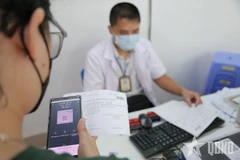
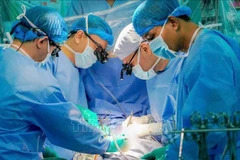
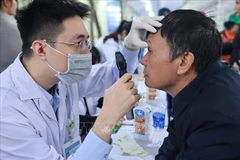
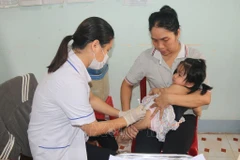
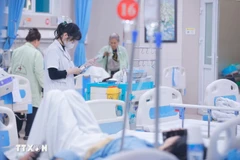
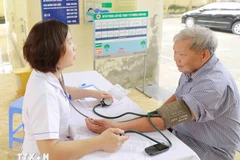
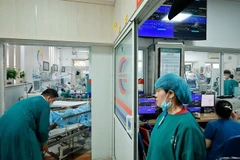
Ninety percent of assaults against medical workers occurred while they were treating patients and those actions should be prevented. (Photo: suckhoedoisong.vn)
 Hanoi (VNS/VNA) - Ninety percent of assaults against medical workersoccurred while they were treating patients and those actions should beprevented.
Tran Van Thuan, Director of the National CancerHospital, made the statement at an online discussion on stopping violenceagainst doctors and medical staff held recently in Hanoi.
Statistics from the Ministry of Health showedthat as many as 22 assaults against medical workers were recorded between 2010to 2017. Most of the cases occurred at provincial-level hospitals (60 percent)and 70 percent of the assault victims were doctors.
There were three serious cases in the first fivemonths of 2018. In the latest case, a doctor at Saint Paul Hospital sustainedmultiple injuries to the face while treating a 7-year-old boy.
Earlier in February, two obstetricians in Yen Baiprovince were physically abused by a husband and 10 others after the medicalworkers, who were delivering his baby, asked him not to climb on the windowrailing to film the birth.
Violence against medical staff occurred in manycountries around the world, including in developed ones, he said.
According to the World Health Organisation, 8 to38 percent of health workers have been abused in the workplace.
A recent study published by Medscape in theUnited States found that 59 percent of doctors interviewed had been verballyabused. Another Indian study reports that up to 75 percent of public healthdoctors have been humiliated, 57 percent have been threatened and 12 percenthave been assaulted.
Thuan said the reasons for the attacks rangedfrom abnormal behaviors of people under the influence of alcohol or other kindsof stimulants, while some argued that staff were not communicating reasonablywith patients.
Participants at the discussion said that therewere many reasons leading to violence, such as social moral degradation andagitation of some people against health workers. The legal framework was notstrict enough and communication problems between health workers and patientswere also to be blamed, they said.
To stop violence against medical staff athospitals, the participants suggested strengthening the coordination betweenpublic security units to ensure security and order at hospitals. It wasnecessary to review and install cameras as well as emergency alarm systems. Atask force should be set up to deal with unexpected incidents.
They proposed that medical workers should beeducated on how to identify and prevent potential violent situations andrecommendations should be provided so that they can protect themselves andavoid detrimental impacts on their health and wellbeing.
The participants supported the proposal by theMinistry of Health to supplement the responsibility of patients under medicalexamination and treatment services, with penalties to deal with acts ofinfringement and threatening towards health workers while performing theirtasks under the Law on Examination and Treatment.
They also agreed on the need to strengthendissemination of information to promote inter-agency coordination between theGovernment, police, and other agencies; the role and participation of peopleand patients in the detection of violence, as well as denouncing and preventingacts of violence promptly.-VNS/VNA
Tran Van Thuan, Director of the National CancerHospital, made the statement at an online discussion on stopping violenceagainst doctors and medical staff held recently in Hanoi.
Statistics from the Ministry of Health showedthat as many as 22 assaults against medical workers were recorded between 2010to 2017. Most of the cases occurred at provincial-level hospitals (60 percent)and 70 percent of the assault victims were doctors.
There were three serious cases in the first fivemonths of 2018. In the latest case, a doctor at Saint Paul Hospital sustainedmultiple injuries to the face while treating a 7-year-old boy.
Earlier in February, two obstetricians in Yen Baiprovince were physically abused by a husband and 10 others after the medicalworkers, who were delivering his baby, asked him not to climb on the windowrailing to film the birth.
Violence against medical staff occurred in manycountries around the world, including in developed ones, he said.
According to the World Health Organisation, 8 to38 percent of health workers have been abused in the workplace.
A recent study published by Medscape in theUnited States found that 59 percent of doctors interviewed had been verballyabused. Another Indian study reports that up to 75 percent of public healthdoctors have been humiliated, 57 percent have been threatened and 12 percenthave been assaulted.
Thuan said the reasons for the attacks rangedfrom abnormal behaviors of people under the influence of alcohol or other kindsof stimulants, while some argued that staff were not communicating reasonablywith patients.
Participants at the discussion said that therewere many reasons leading to violence, such as social moral degradation andagitation of some people against health workers. The legal framework was notstrict enough and communication problems between health workers and patientswere also to be blamed, they said.
To stop violence against medical staff athospitals, the participants suggested strengthening the coordination betweenpublic security units to ensure security and order at hospitals. It wasnecessary to review and install cameras as well as emergency alarm systems. Atask force should be set up to deal with unexpected incidents.
They proposed that medical workers should beeducated on how to identify and prevent potential violent situations andrecommendations should be provided so that they can protect themselves andavoid detrimental impacts on their health and wellbeing.
The participants supported the proposal by theMinistry of Health to supplement the responsibility of patients under medicalexamination and treatment services, with penalties to deal with acts ofinfringement and threatening towards health workers while performing theirtasks under the Law on Examination and Treatment.
They also agreed on the need to strengthendissemination of information to promote inter-agency coordination between theGovernment, police, and other agencies; the role and participation of peopleand patients in the detection of violence, as well as denouncing and preventingacts of violence promptly.-VNS/VNA
VNA