Hanoi (VNA) - With the goal of curbing the HIV/AIDS epidemic, Vietnam has implemented a wide range of campaigns and programmes comprehensively, providing a full continuum of services from prevention and testing to treatment.
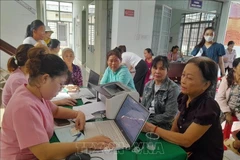
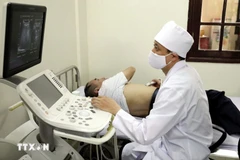
In recent years, HIV counselling and testing programmes have been expanded from health facilities to communities through diverse models, while prevention measures and harm-reduction interventions have been widely and effectively implemented, according to Deputy Minister of Health Tran Van Thuan.
Since the first HIV case was detected in Ho Chi Minh City in 1990, HIV/AIDS prevention and control efforts have consistently received due attention and coordination from Party and State leaders, strong engagement from ministries, sectors, mass organisations and localities, as well as support from international organisations, he said.
In particular, the PrEP programme has developed strongly, with more than 129,000 people receiving preventive treatment. In 2023, Vietnam was recognised by WHO as a leading country in the Asia-Pacific region in PrEP provision.
Many service delivery models and initiatives for HIV/AIDS prevention and control have been applied in line with changes in the HIV epidemic, helping to maintain effective control of HIV in the community.
HIV/AIDS prevention and control activities have also been incorporated into the National Target Programme on Health, Population and Development for the 2026-2035 period, ensuring service sustainability as international aid declines.

However, the HIV/AIDS situation in Vietnam remains complex. In 2024, the health system conducted more than 3.4 million HIV tests, identifying 13,351 positive cases through screening. By the end of 2024, Vietnam recorded 245,762 people living with HIV and 116,004 AIDS-related deaths.
HIV transmission patterns have changed significantly compared to more than a decade ago. Sexual transmission has risen to around 70% and has become the dominant route of infection.
More concerning is the rapid increase in HIV prevalence among men who have sex with men (MSM), particularly younger groups who are more vulnerable to changes in sexual behaviour and social pressures.
Vietnam continues to pursue the goal of ending AIDS by 2030, focusing on expanding integrated treatment-prevention models, increasing early detection, ensuring timely antiretroviral (ARV) treatment and maintaining viral suppression, thereby contributing to the 95-95-95 targets: 95% of people living with HIV knowing their status, 95% of those diagnosed receiving ARV treatment, and 95% of those on treatment achieving viral suppression.

In addition to leveraging on international support, Vietnam is stepping up HIV/AIDS prevention and control activities using domestic resources, including the health insurance fund and local budgets.
In 2025, the Ministry of Health chose “Unity is strength - Join hands to end the AIDS epidemic” as the theme for National Action Month, calling for coordinated action at all levels, from central to local authorities, social organisations, international partners, communities and individuals.
Key tasks include strengthening early detection, providing early ARV treatment for people living with HIV, expanding and diversifying HIV prevention programmes, intensifying behaviour-change communication focused on key populations, and eliminating stigma and discrimination related to HIV in healthcare settings and communities.
“When the entire political system shares a common resolve, when communities stand united, and when scientific advances are effectively applied, the goal of ending the AIDS epidemic by 2030 is not merely an aspiration but can become a reality,” Deputy Minister Tran Van Thuan said./.