Hanoi (VNA) – The year 2025 marked a pivotal juncture in affairs related to overseas Vietnamese, concluding the 2021–2025 period while laying comprehensive groundwork in terms of mindset, institutions and resources to implement the Resolution of the 14th National Party Congress. In the country’s development vision toward 2045, the overseas Vietnamese community has been positioned as a strategic companion in national development.
In a world marked by intensifying strategic competition, emerging conflicts and intertwined economic, security and social challenges, nearly 6.5 million Vietnamese living in over 130 countries and territories have continued to look to the homeland as a firm spiritual anchor. The homeland remains a source of confidence, connection and aspiration for Vietnamese abroad.
The overseas Vietnamese community has grown in stature and integration, increasingly asserting its role and prestige in host societies. Contributions to the homeland in intellect, spirit and material resources have remained substantial, reinforcing not only economic development but also the great national unity bloc.
With close and decisive leadership from the Party and State, overseas Vietnamese affairs have been implemented in a more synchronised and effective manner, reflecting a shift from a management-oriented approach to one centred on partnership, support and service.
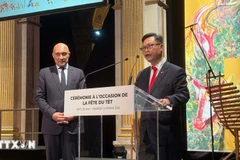
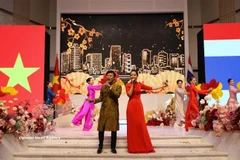
Nguyen Trung Kien, Chairman of the State Committee for Overseas Vietnamese, said Vietnam’s image is promoted not only through official diplomacy but also through the daily lives of overseas Vietnamese. From Vietnamese food stalls and cultural stages to pagodas and Vietnamese language classes worldwide, the country’s identity is being shared through everyday stories rich in resonance, helping shape a “global Vietnamese space”.
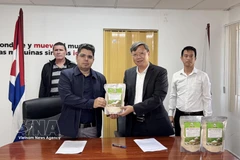
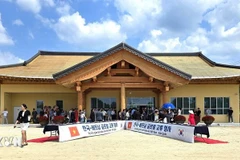
In 2025, efforts to preserve and promote the Vietnamese language – the foundation of community cohesion – also gained fresh momentum. Ten Vietnamese bookcases were established in seven locations, including Laos, Belarus, Sweden, Finland, Bulgaria, the UK and the Republic of Korea, nine of them as gifts from senior leaders. Notably, a Vietnamese bookcase was placed at Helsinki’s Oodi Central Library, becoming the first Vietnamese-language reading corner in the city’s public library system. By the end of 2025, more than 6,300 books on Vietnamese history, culture and people had been donated to communities in 20 locations worldwide.
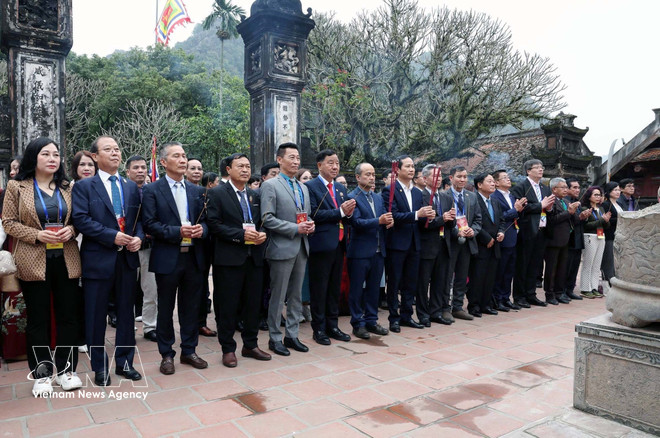
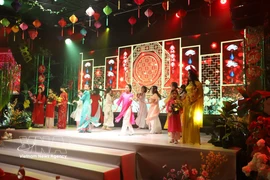
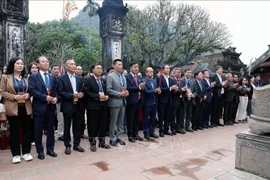
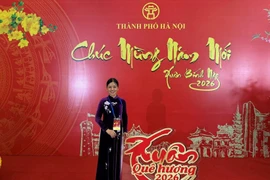
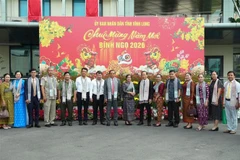
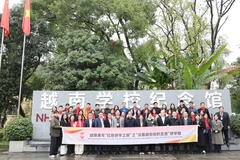
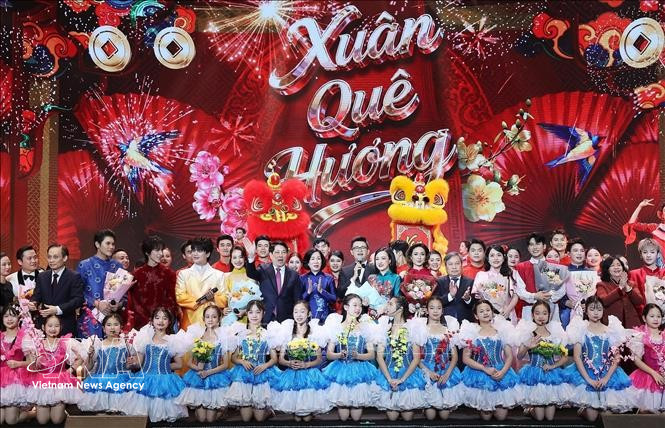
The Ministry of Foreign Affairs organised ten major activity series for overseas Vietnamese in 2025, comprising 90 events nationwide and attracting over 1,500 participants returning home. Signature programmes included Xuan Que Huong (Homeland Spring) 2025, which gathered nearly 1,000 overseas Vietnamese; the launch of the Day for Honouring the Vietnamese Language connecting 100 domestic and international venues; delegations attending the Hung Kings’ Commemoration Day; a “Great National Unity” voyage to Truong Sa and the DK1 platforms; and the Vietnam Summer Camp for 110 young overseas Vietnamese from more than 30 countries and territories.
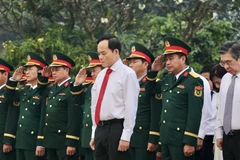
For the first time, overseas Vietnamese joined a dedicated parade bloc at ceremonies marking the 50th anniversary of the liberation of the South and national reunification, and the 80th anniversary of the August Revolution and National Day. Overseas Vietnamese journalists from Germany, Belgium, the US and Canada returned to cover the events, publishing hundreds of articles promoting an image of a peaceful and developing Vietnam.
More than 2,300 comments were contributed by overseas Vietnamese to draft documents of the 14th National Party Congress, along with nearly 400 congratulatory letters, demonstrating strong attachment and engagement.
In economic terms, remittances reached a record nearly 18 billion USD in 2025. Overseas Vietnamese registered 457 investment projects in Vietnam with total capital exceeding 1.7 billion USD.
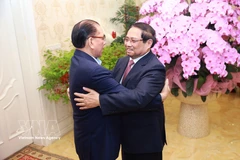
In the knowledge sphere, connections were strengthened following meetings between Party General Secretary To Lam and overseas Vietnamese communities. Prime Minister Pham Minh Chinh commissioned the training of 100 AI engineers, while the sixth Global Young Vietnamese Intellectuals Forum gathered more than 300 delegates, including experts from MIT, Cambridge, Google and Microsoft.
Building on these foundations, Kien outlined five major shifts for the 2026–2030 period.
The first is a shift from “connection” to “co-creation of development”, placing overseas Vietnamese as direct partners in addressing national development challenges.
The second is a move from mobilisation to institutionalising resources, enabling the community to become a strategic resource.
The third is a transition from preservation to global promotion of Vietnamese values, forming a global Vietnamese cultural space linked to language, heritage, cuisine, arts and digital creativity.
The fourth is a shift from viewing overseas Vietnamese as separate communities to fostering a global Vietnamese community with unity in aspirations and diversity in capacity, connected by technology and trust.
Finally, overseas Vietnamese are to be integrated more closely with national development pillars, contributing directly to innovation, investment, branding and people-to-people diplomacy in line with the 2045 vision.
As Vietnam advances toward becoming a developed, high-income country by 2045, the global Vietnamese community is set to remain an indispensable part of national strength and pride in a new era of prosperity./.