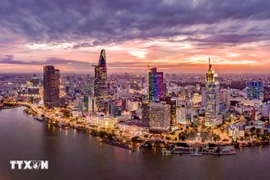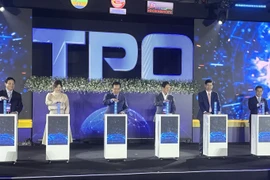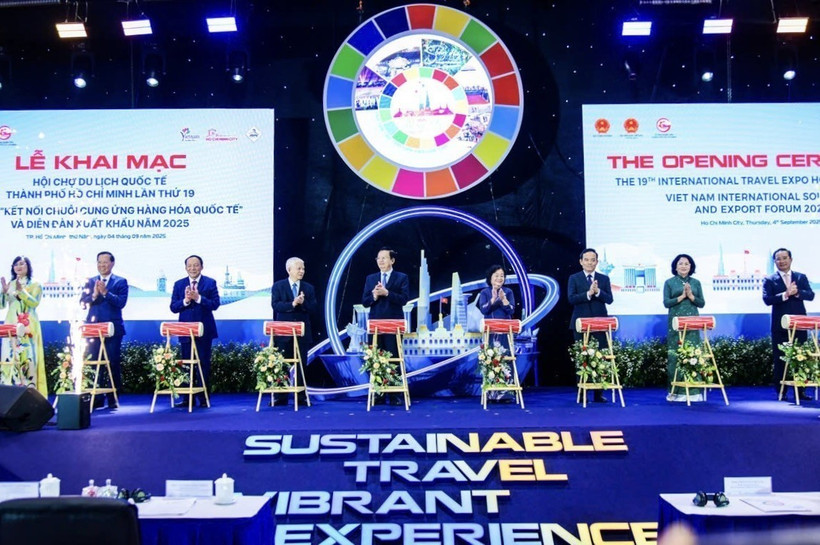
HCM City (VNA) – A series of major trade and tourism connectivity events opened on September 4 at the Saigon Exhibition and Convention Center (SECC) in Ho Chi Minh City, featuring Vietnam International Sourcing (VIS) 2025, the Ho Chi Minh City Export Forum, and the International Travel Expo Ho Chi Minh City (ITE HCMC) 2025.
Building on two successful editions, VIS has quickly established itself as a trusted platform for domestic and international businesses. Returning this year on a larger scale, the event has attracted 450 procurement delegations from 60 countries and territories. Alongside traditional partners such as the US, EU, Japan, and the Republic of Korea, VIS is expanding its reach into promising markets including the Middle East, Latin America, and Eastern Europe. The event offers Vietnamese enterprises a key opportunity to leverage the country’s 17 free trade agreements while reducing dependence on a limited number of markets.
Covering 10,000 sqm, VIS 2025 features 12,000 products from over 400 Vietnamese businesses across diverse sectors including agriculture, processed food, beverages, textiles, footwear, furniture, packaging, and supporting industries. With more than 3,000 scheduled B2B meetings and some 5,000 spontaneous connections expected, the event continues to serve as an effective bridge between Vietnamese enterprises and global distribution networks.
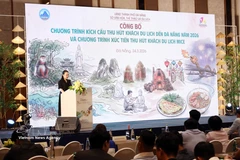
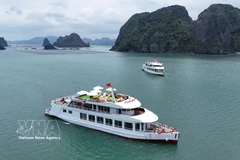
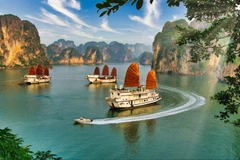
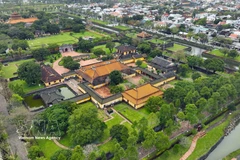
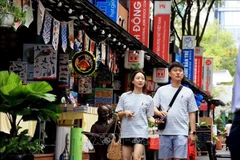
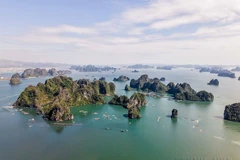
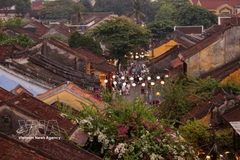
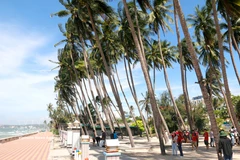
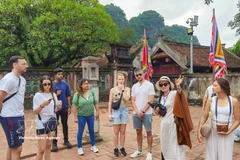
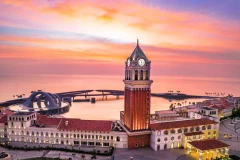
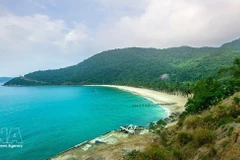
Meanwhile, ITE HCMC 2025 provides a dynamic platform for localities and tourism businesses to showcase unique products, services, and destinations to international audiences. Beyond celebrating Vietnam’s heritage, culture, cuisine, and natural beauty, the expo underlines tourism’s growing role as a driver of trade and investment.
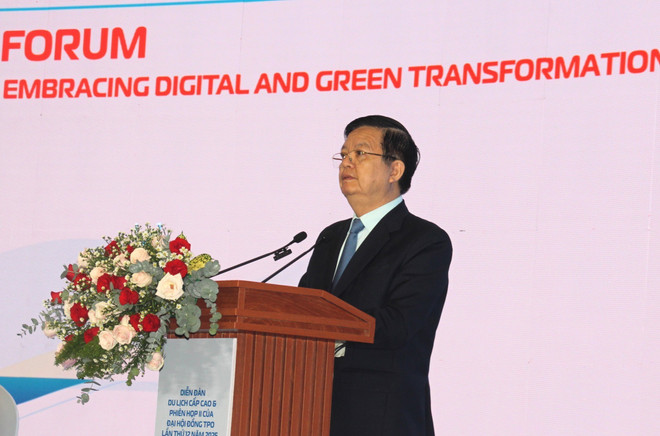
Speaking at the 2025 High-Level Tourism Forum, held as part of ITE HCMC, Deputy Prime Minister Mai Van Chinh called for the development of a “Digital and Green Tourism Principles” framework. This, he said, will provide a common standard to encourage countries and enterprises to pursue responsible and sustainable tourism practices.
Chinh also stressed the need to strengthen regional and cross-sector linkages to build sustainable tourism value chains that connect with agriculture, culture, environment, and technology, thereby creating distinctive and competitive products. He urged the sector to shift its approach from “growth at all costs” to “sustainable development,” viewing tourism not just as a service industry but as a creative economic sector that shares and connects value.
The Deputy PM further highlighted the importance of digital and green transformation, smart governance, and enhanced data-sharing to establish an intelligent, sustainable tourism ecosystem. He underscored the need to build a digital-savvy workforce with strong knowledge of sustainability, creativity, adaptability, and global integration.
At the forum, delegates discussed the role of digital and green transformation in Vietnam’s tourism sector, solutions for sustainable growth, and the rise of medical tourism. On the occasion, the Ministry of Culture, Sports and Tourism and the Ministry of Health signed a cooperation agreement on medical tourism development./.