Hanoi (VNA) – Vietnam has met the bulk of its major macroeconomic goals for 2025, deftly managing tariff pressures while sustaining vigorous export expansion and steady foreign direct investment inflows, according to an HSBC executive.
The 2026 outlook stays broadly favourable, though a mix of risks and opportunities lies ahead.
Tariffs pose headwinds to macro-performance
Vu Binh Minh, CFA and Associate Director of Rates Trading at HSBC Vietnam, said the country navigated a tough stretch through resolute government action, coordinated authorities and agile policy measures. Following multiple negotiation rounds, US tariffs on Vietnamese goods were trimmed to roughly 19%-20%. Exporters accelerated shipments ahead of the levies, preserving export momentum.
Year-end figures reflected solid GDP growth, with the industrial index of production surging 10% year-on-year in the third quarter. Services and retail sectors posted notable gains, with third-quarter retail sales up 12% and tourism rebounding sharply - foreign arrivals hitting record levels and topping the ASEAN pack.
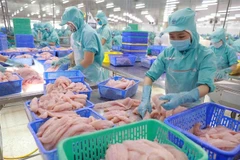
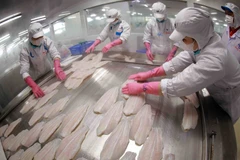
Trade held firm despite tariff strains, Minh said. Third-quarter trade surplus doubled to 3 billion USD from the first half, while both exports and imports grew nearly 20% year-on-year.
Electronics, especially gaming consoles and mobile phones, led shipments to the US, cementing Vietnam's role in global tech supply chains.
FDI trends were encouraging. Newly registered capital dipped about 8% year-on-year, but adjustments, contributions and share acquisitions soared, pushing the combined total to 33.69 billion USD, the highest in five years. Rising inflows from China and the US offset drops from other markets.
Monetary markets face volatility, stabilisation efforts intensify
Minh observed turbulence in Vietnam's financial and monetary markets during 2025. Interbank rates were held steady in the first half thanks to the State Bank of Vietnam (SBV)'s flexible monetary policy. The VND rates spiked toward year-end to a three-year peak amid strains balancing credit expansion and deposit growth. Outstanding loans rose 16.15%, outpacing 12% deposit growth.

The SBV countered with liquidity injections via open market operations (OMO) and forex swaps with commercial banks. Raising the OMO rate to 4.5% from 4% highlighted ongoing rate-stability challenges.
Inflation stayed in focus, with consumer prices up 0.5% in November, translating to a 3.58% hike year-on-year. Still, with the National Assembly's ceiling below 5%, price pressures were contained.
The USD/VND rate fluctuated markedly. Despite a global US dollar index drop exceeding 9%, US policy shifts drove roughly 3.5% Vietnamese dong depreciation against the US dollar over the year.
2026 outlook remains upbeat
According to Minh, 2026 developments are hard to forecast now, but indicators like the Purchasing Managers' Index (PMI) offer optimism. The headline PMI stood at an expansionary 53.8 in November, with new export orders still climbing, pointing to sustained export strength next year.

Public investment should continue anchoring growth, with infrastructure outlays seen at 6%-7% of GDP, well above many regional peers, he said.
On trade, diversification is gaining urgency amid US tariff uncertainty. While the US remains the top export market, Vietnam is ramping up pursuit of longer-term alternatives.
In financial markets, despite solid inflation control and macro stability, forex and VND movements will hinge heavily on unpredictable external forces, including Federal Reserve actions, US trade and tariff moves, and global dollar swings. The SBV's proactive, flexible approach is expected to confine volatility to manageable levels, he added./.