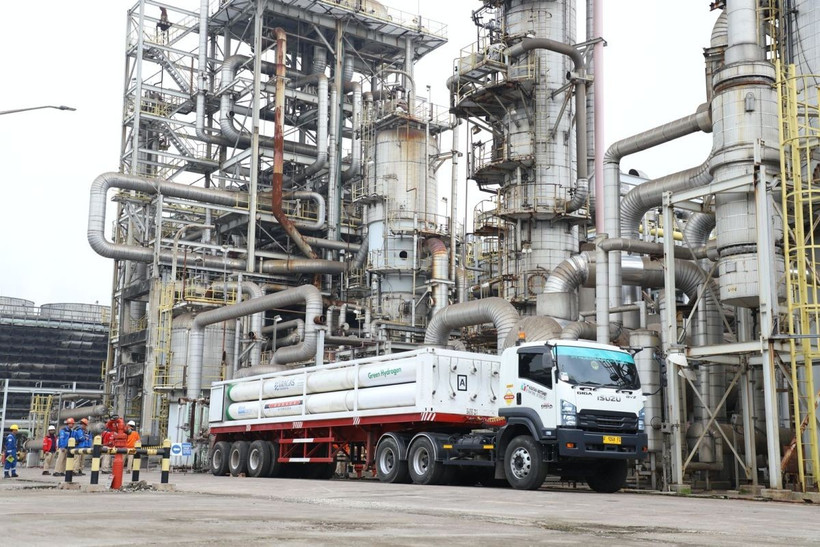
Kuala Lumpur (VNA) - The Indonesian government plans to establish seven new modern fertiliser plants over the next five years to strengthen national fertiliser self-sufficiency, with five of them targeted for completion by 2029.
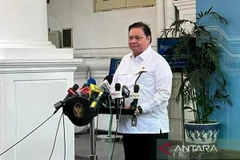
Indonesian Agriculture Minister Andi Amran Sulaiman said during a press conference at the Agriculture Ministry office on October 22 that the development budget is around 50 trillion IDR (3 billion USD).
He noted that the new plants will be energy-efficient, helping reduce production costs. While older factories allocate up to 43% of their operational expenses for gas, the new facilities are expected to spend only around 22-23%.
According to Sulaiman, the construction budget will be sourced from efficiency programs implemented by the ministry. Adjustments to subsidised fertiliser management, which emphasise upstream aspects, have also contributed to funding the new plants.
The minister added that comprehensive reforms have enabled the government to save 10 trillion IDR (601 million USD) and cut fertilizer production costs by 26 percent.
Sulaiman said that fertiliser management programmes by the ministry have also helped state-owned fertiliser producer PT Pupuk Indonesia increase its profit, which is projected to reach 2.5 trillion IDR in 2026, with total revenue estimated at 7.5 trillion IDR.
He further stated that the establishment of the new plants will create opportunities to gradually increase subsidised fertiliser production to 700,000 tonnes by 2029.
The minister emphasised that the policy reflects the government’s commitment to supporting farmers by ensuring adequate fertilizer supply and affordability to maintain national food security.
During a limited cabinet meeting at his Jakarta residence on October 16, President Prabowo Subianto instructed Minister Sulaiman to maximise the potential of state-owned fertiliser plants, Minister of State Secretariat Prasetyo Hadi said.
Hadi stated the President instructed minister Sulaiman to explore various schemes and innovations to guarantee fertiliser availability and, if possible, revitalise existing fertiliser factories.
He underscored that President Prabowo views sufficient access to affordable and quality fertilisers as essential to strengthening national food resilience./.