Singapore (VNA) - Domestic violence in Singapore continued to rise in 2024, mainly due to increased child abuse and spousal violence, according to the Domestic Violence Trends Report released by the Ministry of Social and Family Development on December 10.
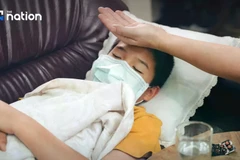
Specifically, the number of new high-risk child abuse cases in 2024 rose by 14.5% year-on-year to 2,303.
Meanwhile, a total of 3,292 low- to moderate-risk child abuse cases were reported, an 18% increase from the 2,787 cases recorded the previous year. This was the biggest annual increase since 2022. Those aged seven to 12 made up the largest group of children abused by a loved one.
The number of spousal abuse cases also increased from 2,008 in 2023 to 2,136 in 2024, continuing the upward trend in the 2021-2023 period.
For high-risk cases that are managed by the ministry and require legal intervention, the number of elder abuse cases involving vulnerable individuals decreased by about 10%. The number of cases involving vulnerable adults with self-neglect behaviours dropped by 50% compared to the previous year.
Notably, these issues have persisted even as the Singaporean police have adjusted their response measures, including assessing the risk of recurrence for each case and directing victims to the nearest family service centres, even when the victims do not request assistance.
To address the root causes of domestic violence, the police have also intensified support for offenders, based on an accurate assessment of the motivations behind their violent behaviour towards family members. Offenders will be referred to meet with social welfare officials, who will discuss and evaluate whether interventions such as counseling, mental health support, or financial assistance are needed. Subsequently, the cases will be referred to relevant agencies for further support./.
Singapore takes tough measures against e-cigarettes
Etomidate abusers admitted to a DRC will undergo rehabilitation programmes to address their risk of re-offending. These may include psychology-based correctional programmes, family programmes, pro-social support programmes and religious counselling, reported by The Straits Times.