Hanoi (VNA) – Malaysia and Thailand have moved to tighten fiscal discipline and introduce energy-saving measures as they closely monitor the escalating conflict in the Middle East, which threatens to disrupt global energy supply and increase economic pressures.
The Malaysian government on March 11 decided to maintain domestic fuel prices while introducing initial austerity measures in national spending and stepping up monitoring of developments in the Middle East to ensure timely policy responses aimed at safeguarding economic stability.
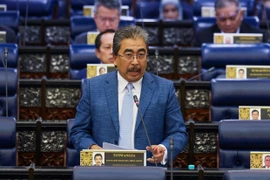
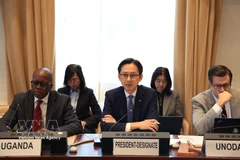
Speaking to the press after chairing a special cabinet meeting, Malaysian Prime Minister Anwar Ibrahim said the escalating conflict in West Asia is having adverse effects on the global economy as well as Malaysia, with rising transportation costs, mounting pressure on commodity prices and potential risks to economic stability. In response, the government has decided to keep the price of RON95 gasoline unchanged at 1.99 MYR (0.51 USD) per litre, despite the recent surge in global oil prices. It is implementing several immediate cost-saving measures.
Anwar also confirmed that Malaysia’s national oil company Petronas has sufficient petroleum product supplies at least until May 2026. The government is also strengthening law enforcement to prevent exploitation of the situation for smuggling, particularly of fuel.
On the same day, Thailand’s cabinet issued emergency measures requiring government agencies not directly involved in providing public services to work from home, aiming to reduce energy consumption and improve resource management in response to potential energy shortages caused by the Middle East conflict.
The cabinet also ordered a suspension of overseas field visits and training programmes, with such activities to be conducted domestically instead.
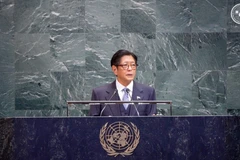
Thailand’s acting Prime Minister Anutin Charnvirakul has directed all government agencies and state-owned enterprises to strictly comply with the response measures in order to minimise potential economic impacts. He also asked closely monitoring global economic and energy developments so that policy adjustments can be made promptly and appropriately as the situation evolves./.

Malaysia counts on domestic demand as key growth pillar
The central bank of Malaysia (Bank Negara) expects to keep inflation at a moderate level and maintain the overnight policy rate (OPR) at 2.75% through 2026.