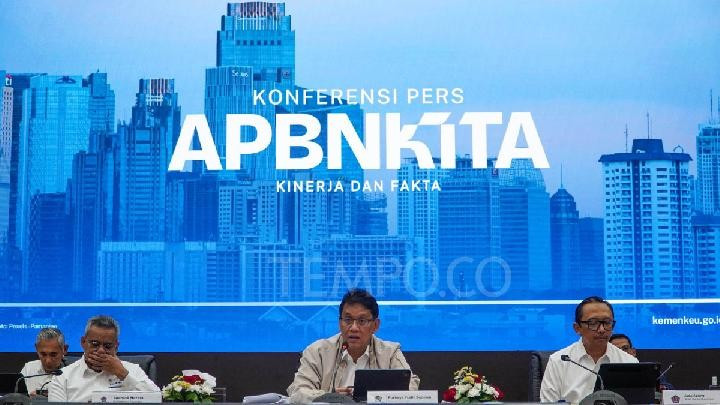
Jakarta (VNA) - Indonesia is in a “strong position” to maintain economic growth of between 5.5% and 6% in the first quarter of 2026 despite rising global geopolitical tensions, according to Minister of Finance Purbaya Yudhi.
At a press briefing in Jakarta on March 11 to release the state budget report, Purbaya said the Indonesian economy remained in an expansionary phase, with macroeconomic indicators staying stable. He noted that first-quarter growth was expected to exceed the 5.39% recorded in the final quarter of 2025.
He cited several positive signals, including the manufacturing purchasing managers’ index (PMI), which reached 53.8 in February 2026 - the highest level in nearly two years, reflecting steady industrial expansion. On the external front, Indonesia recorded its 69th consecutive month of trade surplus, while foreign exchange reserves stood at about 152 billion USD, providing a buffer against external shocks.
Domestically, household purchasing power showed improvement ahead of Eid al-Fitr, the largest annual Islamic holiday. The Mandiri Spending Index rose to 360.7 in February, driven by stronger consumption of essential goods, education and travel services. Car sales increased 12.2% year on year, while motorcycle sales grew by around 1%, indicating resilient domestic demand.
Sadewa said household consumption, which contributes more than half of gross domestic product, continued to serve as a key growth driver amid global uncertainty.
Addressing concerns over the spillover effects of international conflicts, he stressed that the government had no immediate plan to revise the 2026 State Budget, as revenue collection remained positive and fiscal conditions stable.
He added that the budget had been designed with a controlled deficit to support economic stimulus, while early-year disbursement was being accelerated to help spur growth.
However, policy adjustments could be considered if global pressures intensified significantly. Observers noted that the finance ministry’s message was aimed at reinforcing market confidence at a time of heightened global volatility, while signalling that Indonesia still retained fiscal space to respond should external risks escalate./.