Jakarta (VNA) – The Indonesian Government is stepping up efforts to improve environmental protection by aiming to raise the national waste management rate from the current 24% to at least 53% by 2026, with expectations of reaching 63%.
The target forms part of the national agenda outlined in the 2024–2029 National Medium-Term Development Plan and follows a direct directive from President Prabowo Subianto to accelerate improvements to the country’s waste management system.
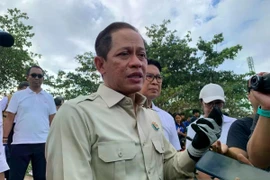
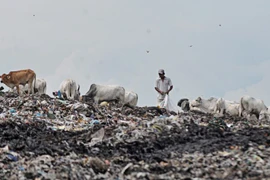
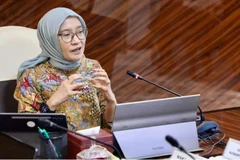
Environment Minister Hanif Faisol Nurofiq stressed that Indonesia needs a fundamental shift in waste governance, focusing on waste sorting and treatment at source. He noted that accelerating waste management is critical as several landfills have already exceeded their capacity, including the Bantargebang landfill, where a serious garbage landslide recently occurred.
In the coming months, the government will begin restricting waste shipments to landfills to ensure that organic waste is processed at the source through composting or other treatment technologies, while only inorganic waste is transported for disposal, he noted.
The Ministry of Environment also warned that strict sanctions, ranging from administrative penalties to criminal charges under Law Number 32 of 2009 on Environmental Protection and Management, will be imposed on managers of industrial zones, residential areas and regional administrations that fail to fulfil their waste management obligations.
Earlier, speaking at the National Coordination Meeting on Waste Management 2026 held in Jakarta on February 26, Home Affairs Minister Tito Karnavian raised concerns that Indonesia is currently the world’s fifth-largest waste producer and ranks third in plastic waste. He emphasised that the issue goes beyond environmental hygiene as it also affects public health and economic opportunities in the recycling sector.
The minister called for a comprehensive approach combining upstream and downstream measures, encouraging households to reduce waste generation and make use of organic waste to cultivate black soldier fly larvae for animal feed and fertiliser production. He also highlighted successful community-based waste management models in Banyuwangi, Klungkung and Subang, where early waste sorting has helped significantly reduce the volume of waste sent to landfills.
Marine debris is another area of concern for the Indonesian Government. On February 6, Minister Hanif joined Tourism Minister Widiyanti Putri Wardhana in a beach clean-up campaign in Bali under the national ASRI movement promoting safety, health, cleanliness and sustainability.
With around 143,000 tonnes of waste generated nationwide each day, pollution is posing direct threats to marine ecosystems, coastal economies and Indonesia’s image as a global tourism destination. Recalling provisions of Law Number 18 of 2008, the minister stressed that primary authority and responsibility for waste management rest with local administrations.
The Indonesian Ministry of Environment pledged continued support for developing waste banks, integrated waste treatment facilities and environmentally friendly technologies in urban and coastal areas./.