Jakarta (VNA) – Indonesia is intensifying efforts to promote waste sorting at source in a bid to reduce the volume of waste ending up in landfills, as environmental pollution caused by mounting waste becomes increasingly alarming.
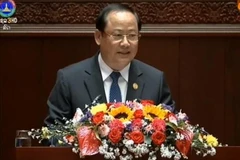
Speaking to the press on March 5, Environment Minister Hanif Faisol Nurofiq stressed that waste sorting is a critical step in effective waste management, while calling for stronger coordination among all stakeholders. He urged self-managed waste collection services to refuse to collect unsorted waste.
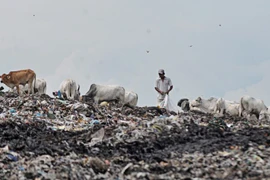
During a visit to the Suwung landfill in Badung, Bali, the minister noted that the site is suffering from severe pollution. However, he said shutting it down immediately without an alternative solution could trigger social tensions, so the landfill is still temporarily accepting both organic and inorganic waste.
According to a plan by Indonesia’s Ministry of Environment, the Suwung landfill will only receive organic waste until the end of this month. Starting next month, authorities will strengthen monitoring to ensure that organic waste is no longer sent to the landfill.
Previously, the Indonesian Government had set a target of officially closing the Suwung landfill and ending open dumping practices before March. The ministry said it would provide equipment such as wood chippers and incinerators to process the large volume of wood waste generated in Badung.
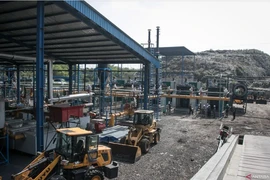
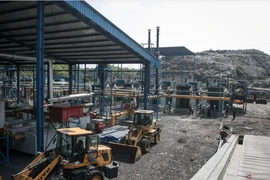
At the national level, the government is rolling out various initiatives to tackle the country’s waste crisis. One of the key plans is the construction of 34 waste-to-energy plants this year. In addition, Indonesia plans to deploy small-scale waste treatment technologies developed by domestic universities to villages, helping address waste at the grassroots level.
According to preliminary data from Indonesia’s National Waste Management Information System (SIPSN), the country generated about 25.14 million tonnes of waste last year, based on reports from 249 out of 514 districts and cities nationwide. However, only around 34.27% of this waste was properly treated, highlighting the significant challenges the Southeast Asian nation faces in waste management.
Environmental experts believe that waste sorting at source, combined with modern treatment technologies and stronger community participation, will play a decisive role in reducing pollution and building a sustainable waste management system in Indonesia in the coming years./.