Bangkok (VNA) – Thailand is accelerating its plan to develop itself into a regional aviation hub as war-related airspace closures in the Middle East disrupt global flight routes, caretaker Minister of Transport Phiphat Ratchakitprakarn has said.
Phiphat noted that with parts of Middle Eastern airspace shut due to the conflict, Thailand could position itself as a safe and secure transit alternative for international passengers.
Thousands of flights operated by Middle Eastern carriers have been cancelled since fighting erupted over the weekend, though some services have gradually resumed at certain airports. As a result, many foreign travellers have switched to booking long-haul flights to Thailand with national flag carrier Thai Airways International. The airline’s routes to and from Europe are fully booked this month, Phiphat said.
However, he acknowledged that transforming Thailand into a regional aviation hub will take time. The Ministry of Transport plans to hold discussions with relevant agencies on managing flight slots at major airports to increase transit capacity and enhance operational efficiency, particularly for Thai Airways.
Data from global travel analytics provider OAG show that Dubai International Airport in the United Arab Emirates was the world’s busiest international airport last year, followed by Heathrow in London, Incheon in Seoul and Changi in Singapore.
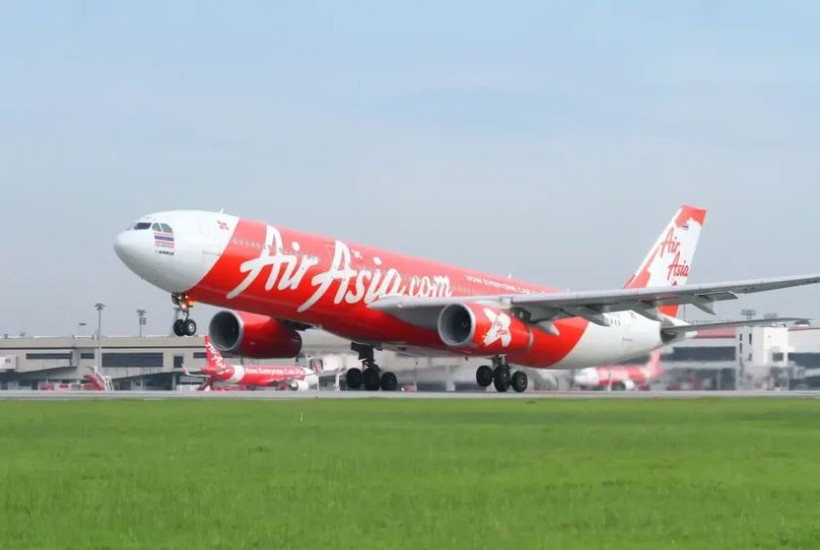
Tassapon Bijleveld, Executive Chairman of Asia Aviation, the major shareholder of Thai AirAsia, said Thailand faces geographical disadvantages compared to Middle Eastern hubs, which are located within a six-hour flight radius of many destinations across Asia, Europe and Africa.
He suggested that Thailand’s most realistic opportunity lies in serving as an aviation hub for Southeast Asia’s 680 million people, though this depends largely on the pace of infrastructure development beyond its main airports.
Airports of Thailand (AOT) said expansion of Suvarnabhumi Airport is scheduled to begin this year, aiming to raise annual passenger capacity from 65 million to 120 million.
Tassapon stressed that Thailand will not achieve aviation hub status unless key projects, including the high-speed railway linking three airports – delayed for six years due to contractual issues – are completed. He added that long-term commitment and broader transport network upgrades are essential to strengthen the country’s competitiveness in regional aviation./.