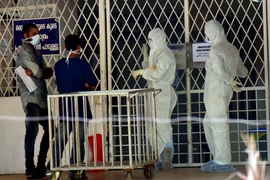
Bangkok (VNA) – The Ministry of Public Health of Thailand has intensified preventive and surveillance measures against the Nipah virus while reviewing clinical treatment protocols and ensuring sufficient stocks of medical supplies and protective equipment.
Nattapong Wongwiwat, Director-General of the Department of Medical Services, said Thailand's healthcare system is well prepared to manage potential cases.
Speaking on February 4 after an inspection visit to Rajavithi Hospital in Bangkok last week, Wongwiwat said infrastructure upgrades made during the COVID-19 pandemic have left the country in a strong position. These include expanded intensive care units, additional wards for severe cases, and advanced air-purification systems, all of which remain in good condition and ready for immediate use.
This situation serves as a reminder to test preparedness systems and ensure they function effectively when activated, he added, reiterating that basic hygiene practices such as frequent handwashing and wearing masks remain the most effective preventive measures.
The World Health Organisation (WHO) classifies the Nipah virus as one of the world’s most dangerous pathogens, with a mortality rate of up to 75%.
Thailand’s Department of Disease Control reported that between 1998 and 2024, there were 754 confirmed human cases globally, resulting in 435 deaths, a case fatality rate of 58%. India recorded the highest fatality rate at 73%, followed by Bangladesh (71%), the Philippines (53%), Malaysia (39%), and Singapore (9%).
From 2015 to 2025, Thailand tested 478 encephalitis patients for the Nipah virus, with no positive cases detected.
Dr Tawee Chotpitayasunondh, President of the Influenza Foundation of Thailand, cautioned against unnecessary laboratory testing, noting that supplies of PCR reagents are limited and currently sufficient for about 200 cases. He stressed that testing should be reserved for patients under investigation, in line with Department of Medical Services guidelines.
The expert noted that currently, no antiviral treatment has been definitively proven effective against Nipah virus infection. However, studies suggest ribavirin may reduce mortality by up to 36% in acute Nipah encephalitis cases and improve neurological outcomes./.

Myanmar steps up prevention against Nipah virus
Accordingly, amidst the ongoing outbreak of the virus in India's West Bengal state, special attention is being given to travellers arriving from the South Asian country, with health checks focusing on fever and other Nipah-related symptoms.