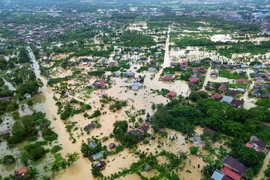
Jakarta (VNA) – Indonesia is rushing to address the aftermath of severe flash floods and landslides on Sumatra island.
Indonesia’s national disaster mitigation agency (BNPB) reported that 950 people in Aceh, North Sumatra and West Sumatra had been killed, while 274 were missing. Floods in Sumatra have also affected millions across 52 localities, with over 37,500 homes damaged or destroyed.
The Indonesian government aims to complete the emergency response by December 31.
President Prabowo Subianto has approved a relief package worth 60 million IDR (about 3,600 USD) for each damaged home. Coordinated efforts are underway to provide financial aid, rebuild infrastructure, and restore livelihoods, particularly for 25,000 ha of farmland in West Sumatra. The military and police have been tasked with constructing temporary housing for affected families.
In this context, climate experts warn that Indonesia is no longer immune to tropical storms as before.
Erma Yulihastin, a senior climate researcher at the National Research and Innovation Agency (BRIN), said warming oceans are altering storm patterns, increasing the likelihood of tropical cyclones making landfall and causing devastating impacts. She cited Tropical Cyclone Seroja in 2021 and Cyclone Senyar in 2025 as evidence of this real threat.
In response, experts recommend improved storm prediction systems, climate adaptation planning, and stronger public awareness of extreme weather events./.
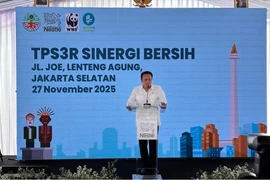
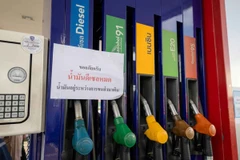
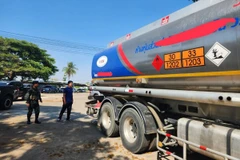
Indonesia seeks new oil and gas sources
Indonesia has 128 identified sedimentary basins, but only 20 are producing hydrocarbons. The remaining 108 basins - many located in eastern Indonesia - are believed to hold significant potential despite higher geological risks.