Vietnam is a new strategic market for Malaysian businesses to investin franchises, announced the Malaysian Franchise Association (MFA).
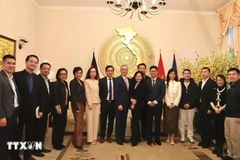
At a seminar held in the Malaysian capital city of Kuala Lumpur onOctober 6, MFA Managing Director Sofia Leong Abdullah praised Vietnam’s potential, a country with a population of 87.9 million and rankedthird in economic growth across the world.
Vietnam’s purchasing power has also rapidly increased, partly thanks to 20billion USD in foreign remittance, he said, noting that the country’sfranchise market is strongly developing with the average turnoverincreasing by 50 percent each year and this trend is expected to lasttill 2012.
The two Malaysian brands that already operate in Vietnam are Setia and Berjaya, he added.
During talks with reporters after the seminar, Abdullah said that theMFA will work with Perbadanan Nasional, a leading agency employed by thegovernment to develop the country’s franchise industry, and theMalaysia External Trade Development Corporation (Matrade) to promoteVietnam ’s potential market to Malaysian businesses.
The MFA intends to bring seven or eight local franchises to Vietnamby the end of this year, he said, adding that the number will increasein 2011.
According to Abdullah, demand for franchisesin Vietnam can be seen in the retail sector with 25 percent,beverages 20 percent, restaurant services 16 percent, fashion 9 percentand education 5 percent.
He underlined that educationis the sector where the MFA sees the biggest potential, includingEnglish language programmes, that Malaysian brands can tap into.
Hanoi, Ho Chi Minh City and other cities such as Da Nang, Can Tho andHai Phong will be strategic destinations for Malaysian companies toinvest in, he said./.
At a seminar held in the Malaysian capital city of Kuala Lumpur onOctober 6, MFA Managing Director Sofia Leong Abdullah praised Vietnam’s potential, a country with a population of 87.9 million and rankedthird in economic growth across the world.
Vietnam’s purchasing power has also rapidly increased, partly thanks to 20billion USD in foreign remittance, he said, noting that the country’sfranchise market is strongly developing with the average turnoverincreasing by 50 percent each year and this trend is expected to lasttill 2012.
The two Malaysian brands that already operate in Vietnam are Setia and Berjaya, he added.
During talks with reporters after the seminar, Abdullah said that theMFA will work with Perbadanan Nasional, a leading agency employed by thegovernment to develop the country’s franchise industry, and theMalaysia External Trade Development Corporation (Matrade) to promoteVietnam ’s potential market to Malaysian businesses.
The MFA intends to bring seven or eight local franchises to Vietnamby the end of this year, he said, adding that the number will increasein 2011.
According to Abdullah, demand for franchisesin Vietnam can be seen in the retail sector with 25 percent,beverages 20 percent, restaurant services 16 percent, fashion 9 percentand education 5 percent.
He underlined that educationis the sector where the MFA sees the biggest potential, includingEnglish language programmes, that Malaysian brands can tap into.
Hanoi, Ho Chi Minh City and other cities such as Da Nang, Can Tho andHai Phong will be strategic destinations for Malaysian companies toinvest in, he said./.