Hanoi (VNA) - The Sapo Technology Joint Stock Company has released survey results from 15,000 sellers nationwide, offering insights into Vietnam's retail business landscape in 2024, highlighting both opportunities and challenges.
The report reveals a significant transformation in the retail sector, marked by the rise of multi-channel selling, cashless payments, and increasing technological adoption.
The survey indicates that 55.7% of revenue-growing sellers have embraced a multi-channel model, with most generating monthly revenues between 200 million VND and 1 billion VND. This underscores the importance of a multi-channel strategy in driving high retail growth, reaching diverse customer segments, and optimising revenue.
When asked about their expectations for technology in business, most sellers expressed a desire to integrate more efficient software solutions to streamline operations, create a seamless shopping experience, and achieve sustainable revenue growth.
This reflects a growing trend towards consolidating sales channels within a single management system, aiming for a fully integrated and professional approach to retail through technological optimisation.
Le Thi Dung, Growth Director at Sapo Technology, emphasised that retailers should not only have a presence across multiple channels but also integrate them deeply, keeping the customer at the centre to deliver a seamless experience, enhance competitiveness, and increase sales. A well-integrated approach helps consolidate customer data for loyalty programmes, boost repeat purchases, and maximise revenue. Multi-channel management is becoming an inevitable trend in the retail industry.
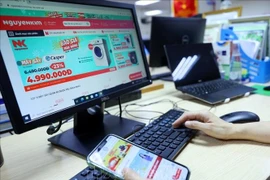
Notably, all business plans for 2025 mention expanding online sales channels, such as TikTok Shop, Shopee, and Facebook. This reaffirms the dominance of e-commerce in modern retail.
Looking back at 2024, Sapo representatives noted that major social media platforms like Facebook (Meta) and TikTok (Bytedance) have heavily invested in marketing tools to enhance ad targeting, tailor promotions to customer needs, and develop innovative advertising formats. From AI-powered ad optimisation on Facebook to the introduction of message-based advertising on TikTok, these advancements have strengthened confidence in digital marketing.
While price competition remains fierce, its intensity is subsiding as retailers shift towards sustainable business models to maintain profitability.
Additionally, Vietnam’s newly approved tax regulations requiring e-commerce platforms to collect taxes on behalf of sellers are expected to ease administrative burdens, creating a more transparent and streamlined system.
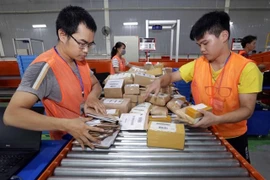
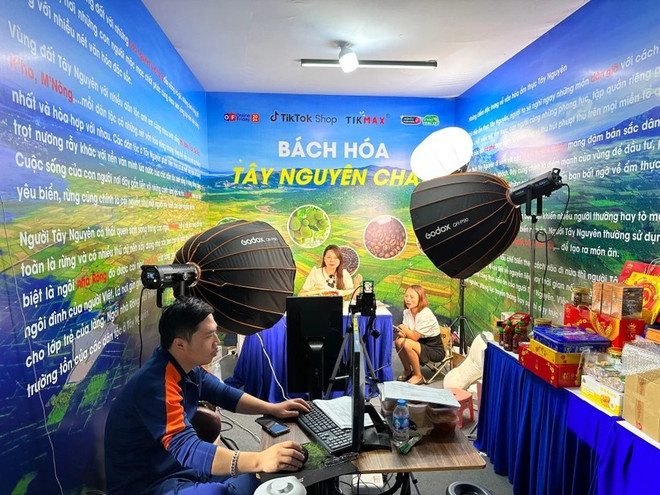
Le Thi Nga, Director of Sapo Social Commerce & Shipping, highlighted that livestreams incorporating creative content and interactive mini-games can boost viewership by up to 35% compared to those that merely introduce products.
“When combined with fast and reliable delivery services, retailers can create a fully optimised value chain—from customer engagement to doorstep delivery—enhancing customer satisfaction and loyalty,” she noted.
Looking ahead, 59% of surveyed sellers expressed strong optimism about business prospects in 2025. Instead of cost-cutting, many plan to expand: 46% aim to add new sales channels, 45.8% intend to diversify their product offerings, and 30.8% plan to scale up by opening new branches and hiring more staff.
To quickly adapt to market trends and achieve revenue goals, Sapo advises retailers to prioritise technology adoption and customer care within a manageable budget, ensuring profitability without excessive cost increases.
Additionally, businesses should invest in technology suited to their current scale, focus on enhancing customer experience, and develop loyalty programmes to retain shoppers.
Social commerce should also be leveraged to reduce tax and fee burdens, foster content creativity, and capitalise on cost-effective promotional channels./.