Hanoi (VNA) – Prime Minister Pham Minh Chinh has urged ministries, agencies, and localities to implement key tasks and solutions to boost economic growth, control inflation, ensure macroeconomic stability, and maintain major economic balances.
According to the PM’s official dispatch to ministers, heads of ministry-level and Government agencies, and Chairpersons of the People's Committees of provinces and cities, Vietnam’s socio-economic situation in the first seven months of 2025 has seen positive results across various sectors. Key indicators on growth, production, business performance, state budget revenue, investment, export, and consumption have all shown an upward trend. However, greater effort is still required to meet annual targets, especially through innovative thinking and focused, decisive action.
In the remaining months, the Government will continue to prioritise promoting growth while maintaining macroeconomic stability, controlling inflation, and safeguarding major economic balances, including budget deficit and public debt within limits approved by the National Assembly. The Government is aiming for GDP growth of 8.3–8.5% and an average CPI increase of below 4.5% for 2025, alongside continued improvements in the material and spiritual well-being of the people.
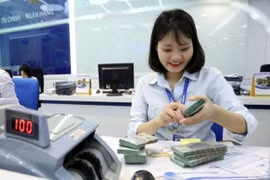
The PM tasked the State Bank of Vietnam with closely monitoring domestic and global economic developments and growth scenarios to ensure proactive, flexible, timely, and effective monetary policy management.
The central bank is also required to intensify bad debt settlement, enhance credit quality, and ensure safe, healthy credit growth alongside strict control of non-performing loans. It must strengthen supervision of credit institutions to ensure banking system security and national monetary stability. Mechanisms and policies should be urgently developed to implement credit programmes for young people under 35 buying or renting social housing and for businesses investing in infrastructure, technology, innovation, and digital transformation. A monetary policy management plan for the remainder of 2025 and 2026 must be submitted to the Government by August 30, 2025.
The Ministry of Finance was directed to lead the implementation of a well-targeted and reasonably expansionary fiscal policy, in close, effective coordination with monetary and macroeconomic policies. Measures must be taken to diversify development resources, accelerate public investment disbursement, and efficiently mobilise and use public investment, FDI, and foreign loans.
Efforts must also be accelerated to develop sustainable, stable, and healthy capital, securities, and corporate bond markets to meet medium- and long-term capital needs and reduce dependence on bank credit. Prompt measures should be taken to upgrade Vietnam’s stock market from frontier to emerging status.
The PM called for improved efficiency of state-owned enterprises and credit support mechanisms, ensuring these operate effectively and substantively. He also instructed ministries and agencies to advance productivity and quality by accelerating digital transformation, promoting science and technology application, encouraging innovation, reforming administrative procedures, and creating a conducive environment to unlock capital and human resources for sustainable, high growth.
The Ministry of Agriculture and Environment was directed to urgently implement measures to boost agricultural production, especially food, to ensure sufficient domestic supply and solid national food security. Efforts should also be made to expand exports to key regions including the Middle East, Latin America, Africa, and particularly within ASEAN.
The agricultural sector is to be restructured towards large-scale commercial production and green, organic, circular, and sustainable development. Planning and production strategies should be revised to diversify products and markets, enhance geographical indications, branding, and traceability systems to prevent trade fraud and origin evasion.
The ministry must also strengthen natural disaster monitoring and early warning systems to minimise damage and protect lives and property, while supporting affected communities in recovery and resuming production.
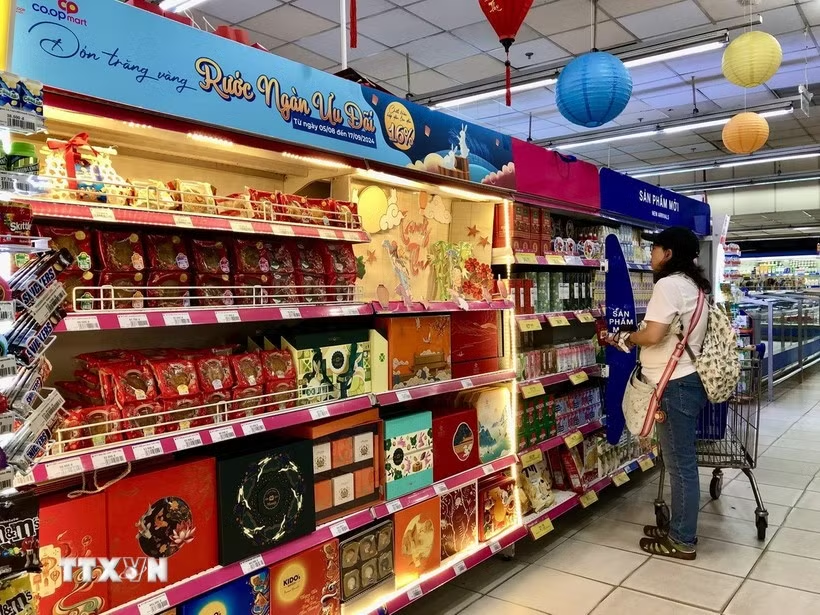
The Ministry of Industry and Trade is tasked with enhancing production management, stabilising supply and demand, stimulating domestic consumption and tourism, expanding exports and supply chains, and promoting agricultural weeks and trade fairs to unlock both domestic and international market potential. The industrial sector is to be restructured towards deep, modern development to boost productivity, quality, and competitiveness, while increasing the use of domestic materials to reduce import dependence.
The Ministry of Construction must take action to stabilise supply and prices of building materials, promote domestic consumption, and develop a concrete plan to expand social housing. Railway projects linking with China, Central Asia, and Europe should be expedited, along with effective use of all transport modes.
The Ministry of Culture, Sports and Tourism and localities were asked to effectively implement the 2025 tourism stimulus programme, diversify tourism products, and enhance promotion of Vietnam’s image to attract more international visitors.
The Ministry of Home Affairs is to improve labour supply-demand connectivity, develop a sustainable labour market, and support labour restructuring towards higher quality and professionalism.
All ministries, sectors, and government bodies must actively fulfil their responsibilities to help the nation achieve its goals of macroeconomic stability, CPI under 4.5%, and GDP growth of 8.3–8.5%./.