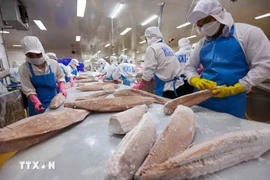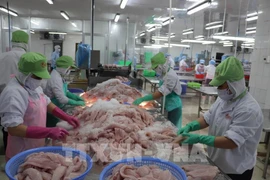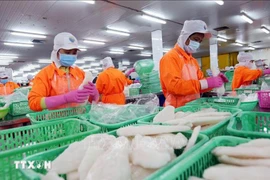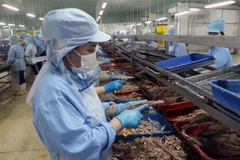
Hanoi (VNA) – Vietnam’s processed seafood sector, despite its strong global footprint in over 170 markets, is struggling to gain a firm foothold in the domestic market with the rising demand of more than 100 million consumers.
As seafood exports face growing challenges from the global economic slowdown, technical barriers in importing markets, and rising input costs, developing the domestic market is increasingly seen as a strategic direction to stabilise production, maintain supply chains, and reduce dependence on external markets.
Experts note that local consumers are showing a growing preference for high-quality seafood products that are safe, hygienic, and traceable. This trend presents an opportunity for exporters who already meet strict international standards to reach domestic buyers with premium products.
However, many enterprises struggle to access modern distribution systems. Despite having reputable brands and advanced production capacity, some find it hard to compete with smaller producers whose lower-quality products often dominate due to lower prices and inconsistent quality control.
Le Hang, Deputy General Secretary of the Vietnam Association of Seafood Exporters and Producers (VASEP), said the main challenges facing the industry are related to business mindset and strategy. Most seafood companies are focusing primarily on exports and do not pay enough attention to the domestic market.
Their efforts in communication, branding, and storytelling for local consumers are still lacking. Even the members of VASEP’s club for domestic seafood suppliers, which includes around 30 businesses, have yet to effectively promote their products to local customers, she noted.
In addition, many companies still rely on traditional sales methods and have yet to tap into modern distribution channels, especially e-commerce. VASEP estimates that only about 20–25% of seafood enterprises are actively engaged in online platforms.
Consumer habits also pose barriers, particularly in rural areas where shoppers still prefer fresh over frozen products and are not fully aware of the safety and quality benefits of deeply frozen seafood processed under strict control for antibiotic residues and hygiene.
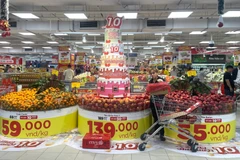
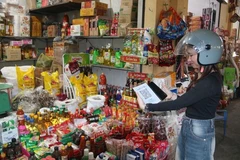
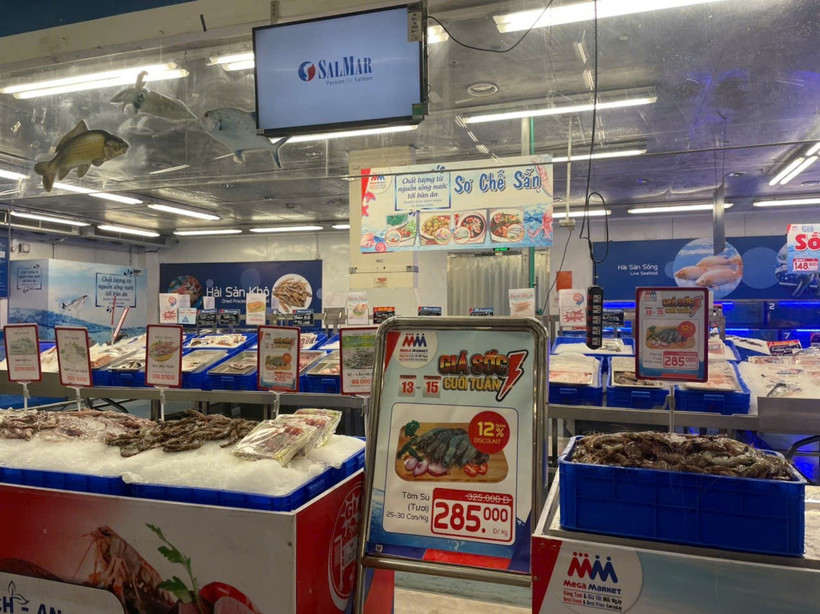
Distribution infrastructure remains another challenge. High discount rates, logistics costs, and strict quality requirements make it difficult for enterprises to enter supermarket chains and trade centres, leaving traditional markets and small-scale distributors as the main sales outlets.
Dang Huu Kien, Senior Advisor at the Vietnam Fisheries Corporation JSC, noted that Vietnam produces around 4 million tonnes of caught seafood annually, with 52% used for frozen processing and the rest consumed domestically. Out of 5 million tonnes of farmed aquatic products, about 70% is exported, with the remainder serving the local market.
He pointed out that domestic consumption remains fragmented and largely spontaneous, with limited structured links between supply and demand. Even government trade promotion events and exhibitions have yet to generate a lasting impact.
To unlock the domestic market’s potential, Hang said stronger coordination between enterprises and management agencies, especially the Ministry of Industry and Trade, is crucial to build a modern, professional supply chain from production to distribution. She called for reduced commercial discount pressures, improved cold logistics, and standardised cooperation processes to support businesses. Product sampling and domestic exhibitions, modelled after the Vietfish international seafood exhibition, could also help bring processed seafood closer to local consumers.
She added that e-commerce channels such as Shopee, TikTok Shop, and Zalo OA should be leveraged more effectively to expand market reach. At the same time, companies must maintain strict production standards and ensure traceability “from farm to table” to build consumer trust.
According to Kien, it is essential to establish a comprehensive ecosystem connecting producers, processors, distributors, and consumers. Stronger multi-party cooperation between authorities, enterprises, and farmers or fishers will help fix fragmented production and enhance the value of Vietnamese seafood in the domestic market./.