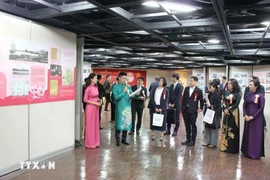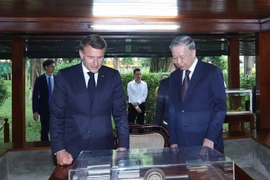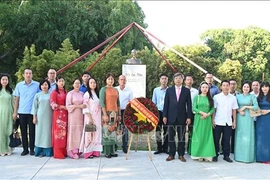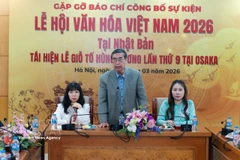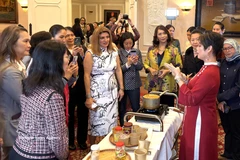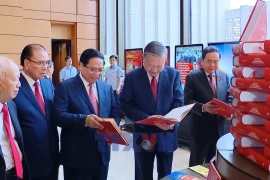
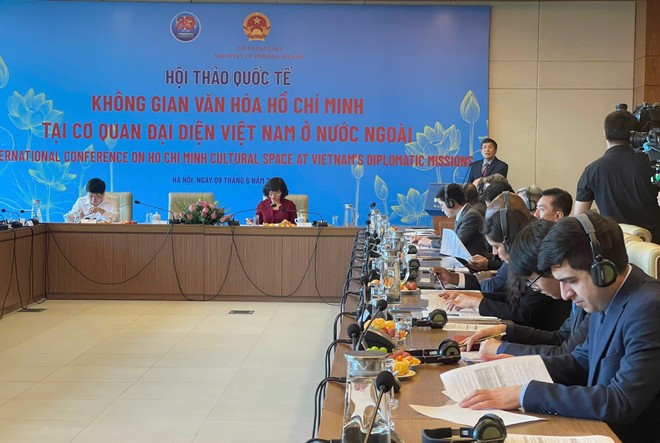
Hanoi (VNA) - The Ministry of Foreign Affairs (MOFA) on June 9 hosted an international workshop in Hanoi, connecting online with Vietnam’s diplomatic missions worldwide to discuss the development of “Ho Chi Minh Cultural Space” abroad.
Speaking at the event, Le Thi Hong Van, Director General of the Department of External Affairs and Cultural Diplomacy under the Ministry of Foreign Affairs (MoHA) and Secretary-General of the Vietnam National Commission for UNESCO, said the Ho Chi Minh Cultural Space is not merely a traditional exhibition area. Rather, it is a symbolic space for connection, where international friends can gain a profound sense of Vietnamese identity through the image of President Ho Chi Minh, a revered figure who embodied Vietnam’s aspirations for peace, cooperation, and development.
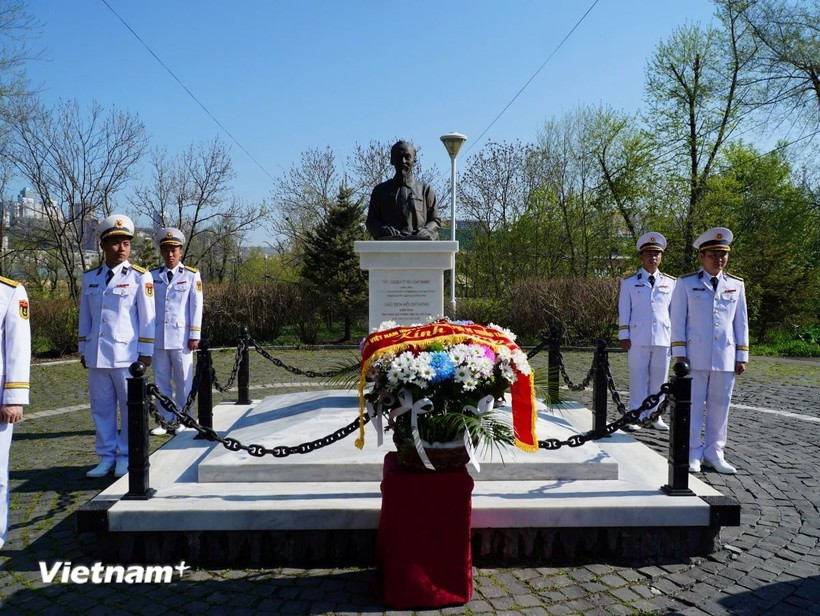
Around the world, from Madagascar and Angola to Venezuela, Cuba, and beyond, symbols named after President Ho Chi Minh can be found, including monuments, public squares, schools, museums, and memorials. These reflect not only international admiration for the late President but also serve as powerful symbols of friendship between Vietnam and nations worldwide.
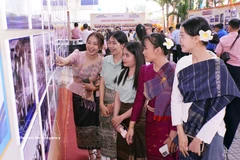
To amplify the effectiveness of these initiatives, the MoHA is designing a flexible model for the Ho Chi Minh Cultural Space. Key components will include a bust or portrait of the President, the national flag, photo and document displays, and a multilingual library on Ho Chi Minh’s thought and Vietnamese culture. This model aims to foster a cohesive and impactful approach to honouring President Ho Chi Minh globally.
According to Deputy Minister of Foreign Affairs Nguyen Minh Vu, who also serves as Chairman of the Vietnam National Commission for UNESCO, the Ho Chi Minh Cultural Space will become a shared identity across Vietnam’s diplomatic missions. It will also function as a multi-purpose venue for political activities, cultural events serving overseas Vietnamese communities, embassy staff, and formal diplomatic engagements.
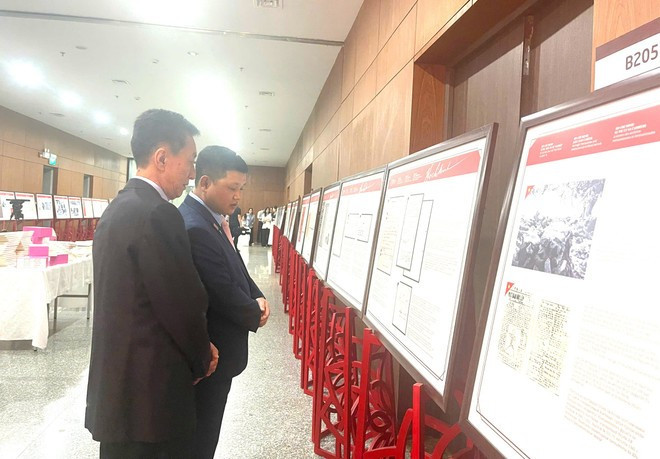
Deputy Minister Vu stressed the importance of seeking expert input from historians, cultural researchers, designers, and artists to ensure that the cultural spaces are respectful, accessible, and functional. He emphasised that the overall project must be completed with standardised content, creative formats tailored to the conditions of each host country, and a balanced integration of digital technologies with traditional displays. These spaces should be engaging to young audiences, local communities, and overseas Vietnamese. In addition, intangible cultural activities such as documentary screenings, music, painting, and literature should be actively promoted.
The MoHA will collaborate with foreign diplomatic missions in Hanoi and Vietnamese embassies abroad to collect photographs, artifacts, and memorabilia related to President Ho Chi Minh. The project also aims to connect with historical witnesses and international friends who had met the President, thereby adding depth and humanistic value to the spaces.
The Ho Chi Minh Cultural Space is envisioned as a key element in the identity of Vietnam’s diplomatic missions. It will play a vital role in connecting overseas Vietnamese communities, promoting the country’s image abroad, and spreading the values, ethics, and leadership philosophy of President Ho Chi Minh as a global symbol of peace, humanity, and aspiration for development.
The initiative also encourages the active participation of local authorities, businesses, intellectuals, and overseas Vietnamese in mobilising resources, sharing ideas, and contributing valuable artifacts and documents to support the development and enrichment of these cultural spaces./.