Hanoi (VNA) - With the engagement of the entire society, Vietnam is well-positioned to overcome challenges, create a truly attractive business environment, and gain momentum for strong advances in a new era.
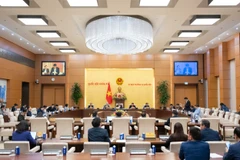
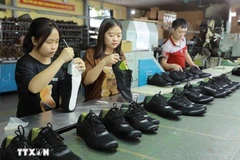
At its ninth session, the 15th National Assembly not only shaped policies but also reinforced its role in top-level oversight, closely monitoring the Government’s reform commitments. The discussions centred on mechanisms and policies to boost investment attraction while consistently highlighting efforts to improve the business environment. This reflects the National Assembly’s determination to bring resolutions and policies into real life, laying the groundwork for the country to take off.
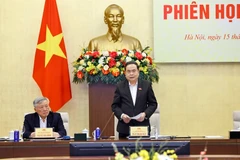
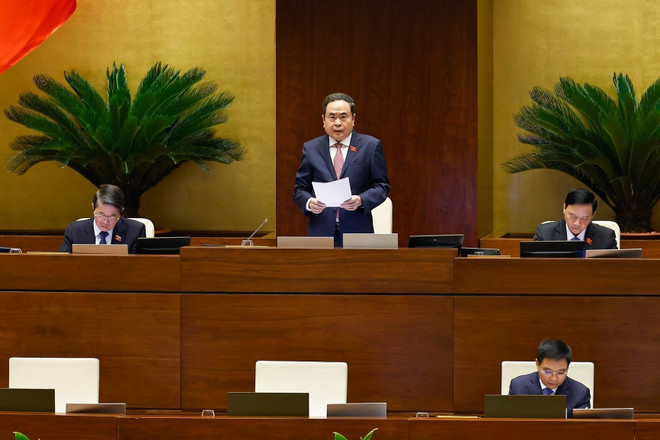
Oversight and demands for the fulfilment of reform commitments were among the key features of the ninth session. National Assembly Chairman Tran Thanh Man, while presiding over question-and-answer sessions, repeatedly stressed that ministers and government members must put forward concrete, feasible solutions with clear roadmaps and bear responsibility for their implementation.
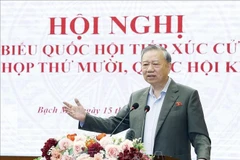
National Assembly deputies did not hesitate to raise tough questions, reflecting the concerns of voters and the business community. Issues such as delays in public investment disbursement, difficulties in accessing capital and land, as well as problems in administrative procedures, taxation and fees, were openly debated.
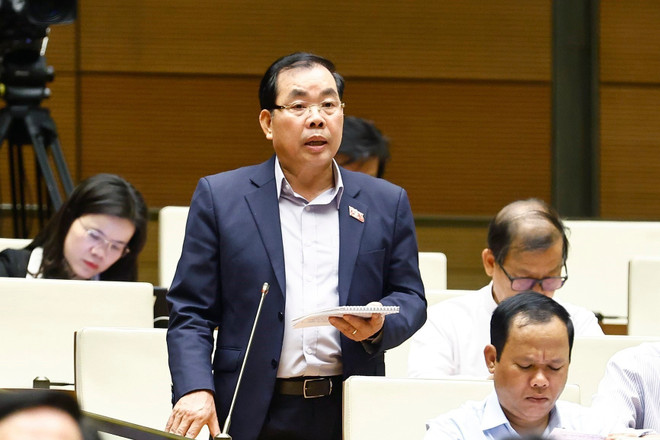
Finance Minister Nguyen Van Thang announced that his ministry would cut around 200 administrative procedures, simplify 351 others, and remove 104 business conditions this December, reducing compliance costs by an estimated 22.6 trillion VND per year. He added that digital transformation would be accelerated in tax administration through electronic invoices, free accounting software, and online tax filing systems to save time and money for businesses.
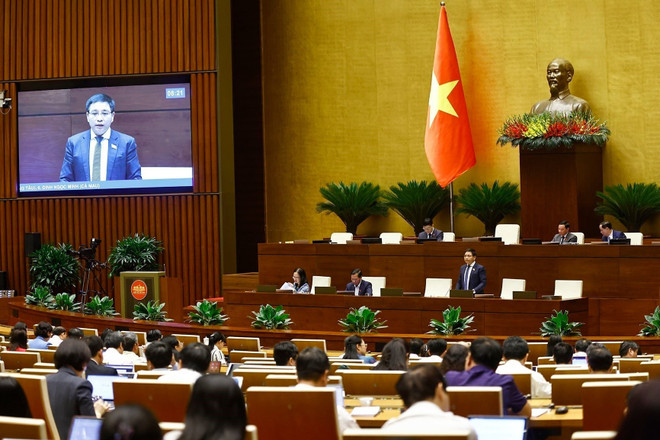
Deputy Prime Minister Ho Duc Phoc acknowledged that slow disbursement of public investment—only 22.2% so far—was holding back growth and job creation, mainly due to sluggish project preparation and site clearance.
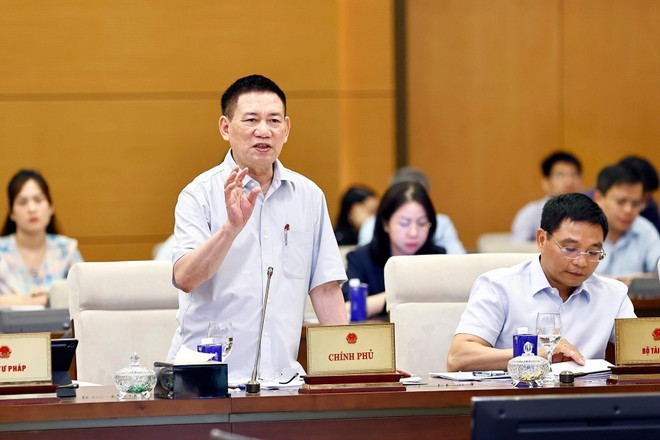
To boost growth, the Deputy Prime Minister identified three pillars: exports, requiring new markets amid global tax challenges; investment, shifting towards high-tech and innovation-driven sectors; and consumption, spurred by wage increases, tax reductions and expanded tourism and trade.
Vietnam is entering a new era with major projects such as the North-South high-speed railway and Long Thanh International Airport. With annual capital demand reaching 8 quadrillion VND to achieve a 10% growth target and an 800 billion USD GDP by 2030, mobilising resources beyond the State budget is crucial. He stressed that public debt remains safe at 34.7% of GDP, with fiscal and monetary policies designed to balance investment needs and repayment capacity.
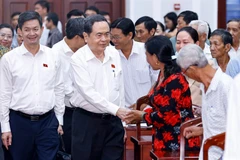
Chairman Tran Thanh Man called on the Government and ministries to heed deputies’ recommendations, focusing on decentralisation, administrative reform, and business facilitation. He also urged stronger community oversight mechanisms, enabling citizens and enterprises to provide feedback on policy implementation and promptly report shortcomings.
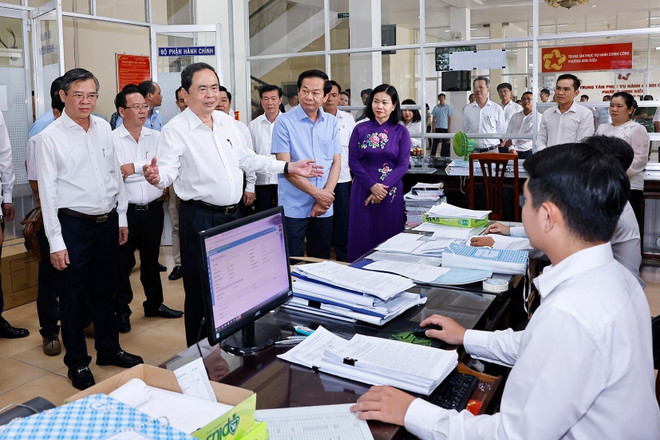
Following each National Assembly session, voters and the business community expect to see real economic changes. Simplified administrative procedures and timely support measures must be translated into tangible improvements.
National Assembly deputies concluded that if the Government and ministries decisively and consistently carry out the reform commitments made at the ninth session, they will create a major push for socio-economic development, restore investor and public confidence, and lay a solid foundation for breakthrough progress in the years ahead./.