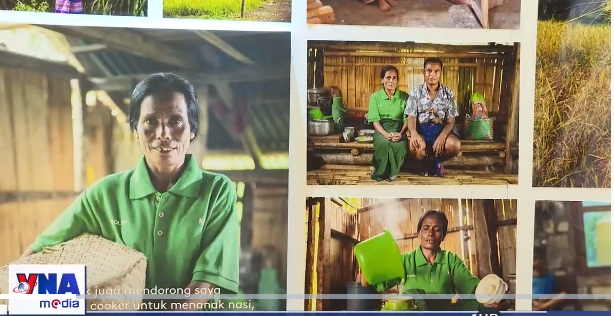
Jakarta (VNA) – By embracing low-carbon energy solutions within a renewable energy project, women living in Mata Redi and Mata Woga villages on Sumba Island of Indonesia have created an inspiring story, not only for their families and villages but also for the people of Sumba and Indonesia as a whole.
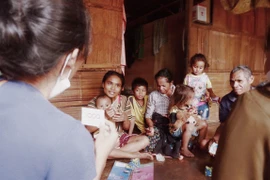
Their story is being told through a photo exhibition, which spotlights women who preserve tradition and lead powerful change on the island.
These women run micro-enterprises ranging from simple stalls selling daily essentials to independent vegetable gardens and crop farms. They are weavers, farmers, and producers of agricultural products, and those working to preserve traditional cuisine, and harness the villages’ potential to build better lives for themselves and their communities.
The programme “Towards Indonesia's Low Carbon Energy Transition” (MENTARI) has served as a bridge, helping village women break free from traditional constraints.
This five-year programme (2020–2025) is the collaboration between the governments of Indonesia and the UK aimed at accelerating the adoption of low-carbon energy in Indonesia. Through Gender Action Learning System (GALS) training courses and power usage efficiency (PUE), local women have become more confident and empowered in their daily lives.
Rita Kefi, MENTARI's gender equality and social inclusion field officer, said the initiative aims to support women, especially those from young families, in developing economic skills, improving household livelihoods, and providing better care for their children. Through the programme, many women have created unique local products and contributed to preserving traditional culture.
The portraits featured in the exhibition capture women who have shown strength in their work and pioneered innovation to gradually transform their lives. Each image tells an inspiring story of independence and change of Indonesian women, starting from their own families and villages./.
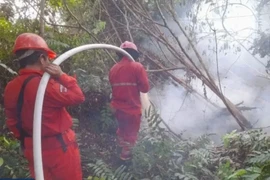
Indonesia sees rise in wildfire hotspots as dry season comes
The sharp rise has raised concerns over a potentially severe forest and land fire season in one of Indonesia’s wildfire-prone regions over the past decade.