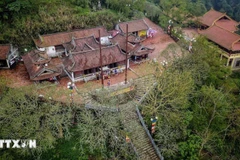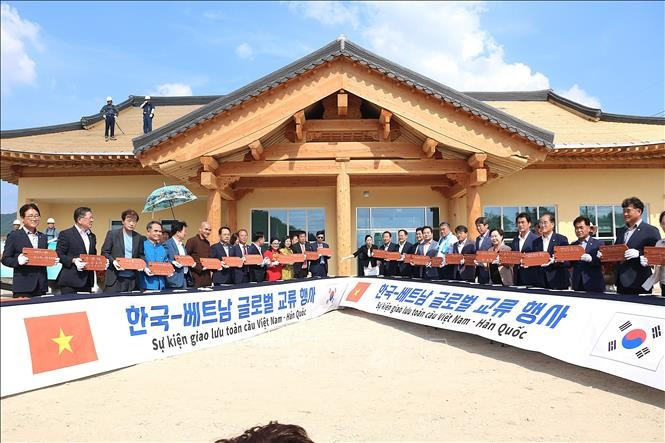
Seoul (VNA) – The Republic of Korea (RoK) - Vietnam global exchange took place on August 24 at the Chunghyodang relic site in Bongseong township, Bonghwa county, North Gyeongsang province, where Vietnam’s royal Ly lineage left its mark centuries ago.
The event, co-hosted by Bonghwa county, the Vietnamese Embassy, the Vietnamese Ministry of Culture, Sports and Tourism, and the Ly clan in the RoK, aimed to foster locality-to-locality and people-to-people exchanges between the two nations. It featured a topping-out ceremony for a new community centre, a Vietnam Culture Day, and the unveiling of King Ly Thai To statute in Vietnam village in Bonghwa.
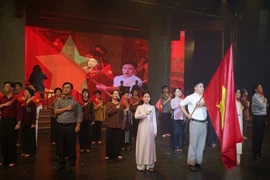
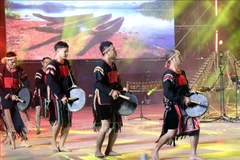
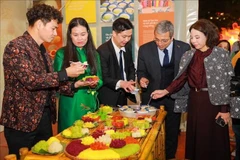
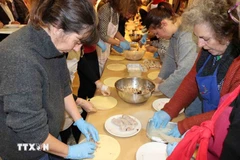
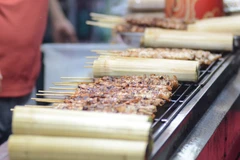
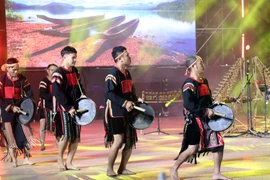
The festivities kicked off with vibrant performances by Vietnamese artists and local community groups. A cultural festival showcased Vietnamese cuisine and heritage, while an event encouraging women to wear the traditional long dress brought a vivid display of conical hats and cultural pride to the venue.
In his opening remarks, Governor of Bonghwa county Park Hyeon Guk recalled that Bonghwa is historically linked to descendants of Vietnam’s Ly Dynasty who migrated to the Goryeo Kingdom (ancient RoK). He described the event as a starting point for a new chapter in bilateral people-to-people relations, with the community centre and King Ly Thai To statute marking initial steps toward building a “K-Vietnam Valley” in Bonghwa, an integrated hub for cultural exchange, traditions, and future cooperation.
Vietnamese Deputy Minister of Culture, Sports and Tourism Ho An Phong said the statute and the “Vietnam Village” project will open up a new cultural exchange space, attracting not only Korean visitors but also Vietnamese and foreign tourists. He described them as both a reminder of heritage and a bridge between tradition and modernity, reinforcing bilateral friendship and cooperation.
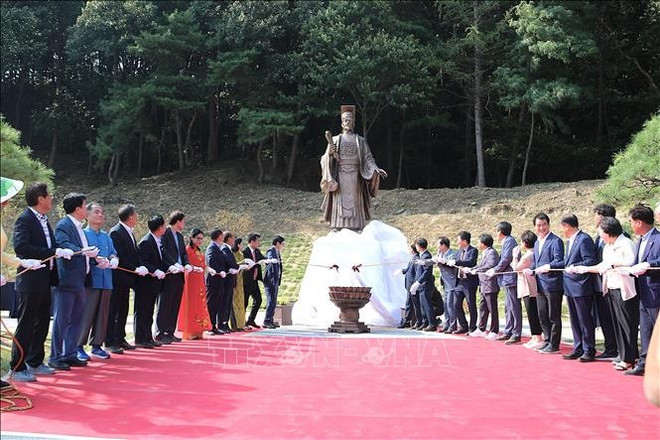
Vietnamese Ambassador to the RoK Vu Ho underscored the deep historical roots of the bilateral relationship. More than 1,000 years ago, Ly Cong Uan, later King Ly Thai To, founded the Ly Dynasty and established Thang Long (now Hanoi). His descendant, Prince Ly Long Tuong, came to the Korean Peninsula over eight centuries ago, forging the first link between the two nations.
The bilateral ties, which were upgraded to a Comprehensive Strategic Partnership, now span politics, security, economy, trade, culture, education, and people-to-people exchange. The King Ly Thai To statue in Bonghwa serves as a symbol of trust, friendship, and shared aspirations for a prosperous future. he said.
Central to the K-Vietnam Valley project, the new community centre, built at a cost of 1.4 billion KRW (about 1 million USD) on a 370 sq.m area near the Chunghyodang relic site, blends traditional Vietnamese and Korean architectural elements, including red-tiled roofs and arched eaves. Set to open in September, the facility will feature conference rooms, a reception hall, and a communal kitchen, serving as a gathering point for Vietnamese residents and multicultural communities.
Bongseong township, home to the Lee Hwasan clan - descendants of Prince Ly Long Tuong, now has seven households. Local authorities plan to invest an additional 200 billion KRW (over 144 million USD) by 2033 to expand the K-Vietnam Valley across a 118,890 sq.m site. The project is envisioned as a major hub for Vietnam-RoK cultural and historical exchange, and a model of integrated cultural tourism in North Gyeongsang province./.