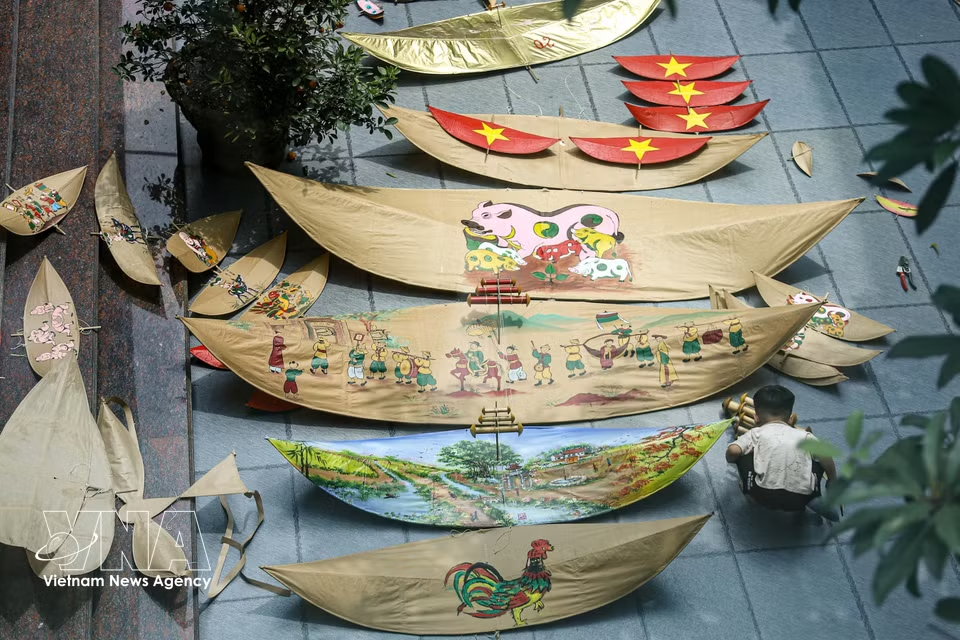
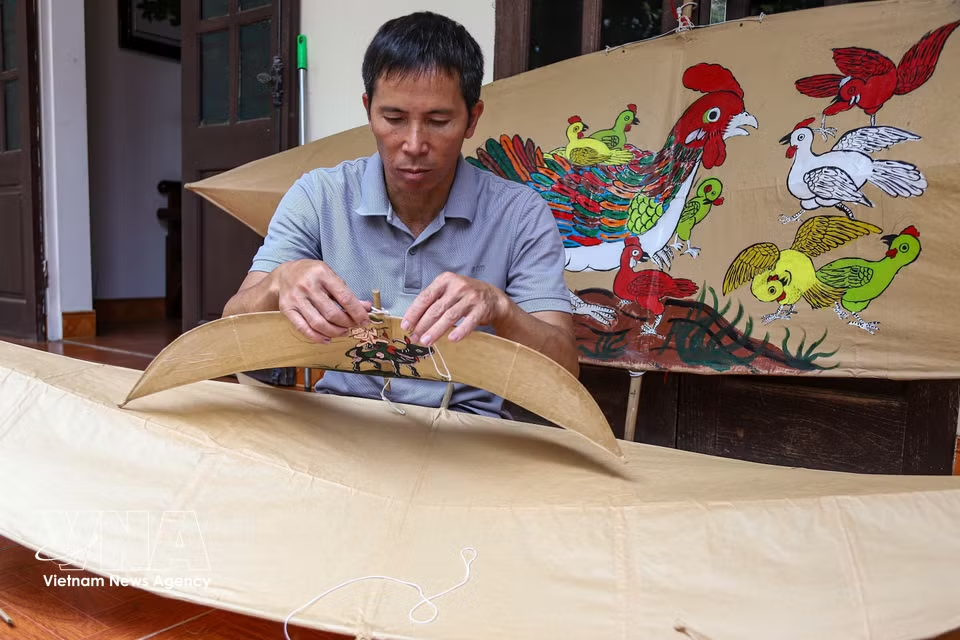
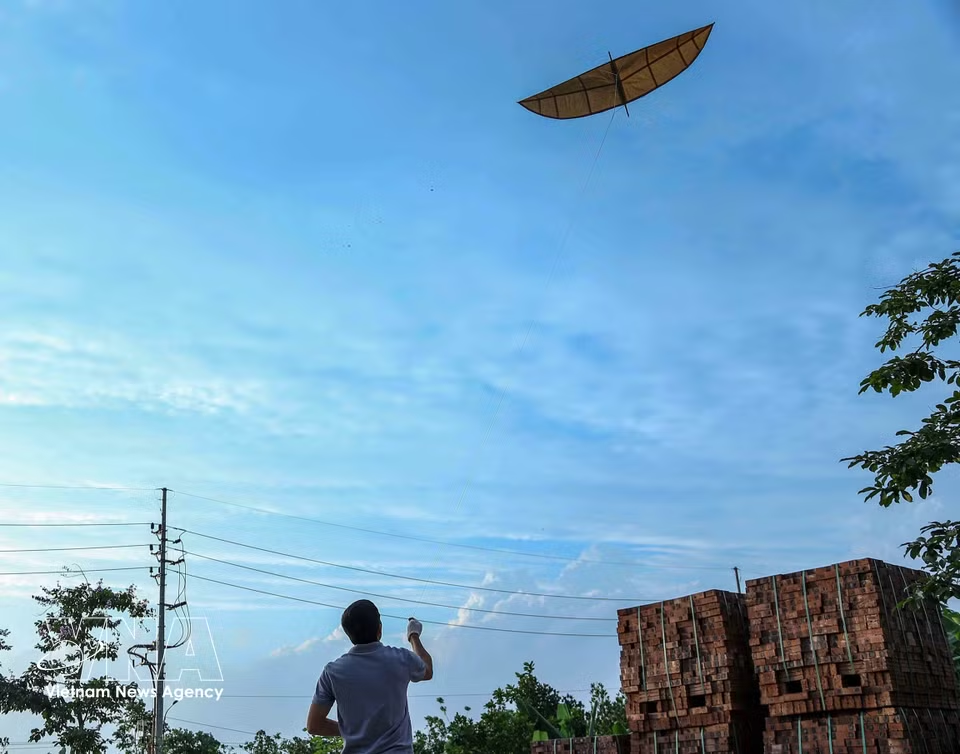

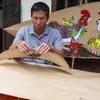



Ba Duong Noi is the only village in Vietnam with a kite association linked to a shrine dedicated to the Delta Guardian Deity. Revived in 1987 after being interrupted by war, the association has become a repository of cultural memories for generations of local residents. (Photo: VNA)
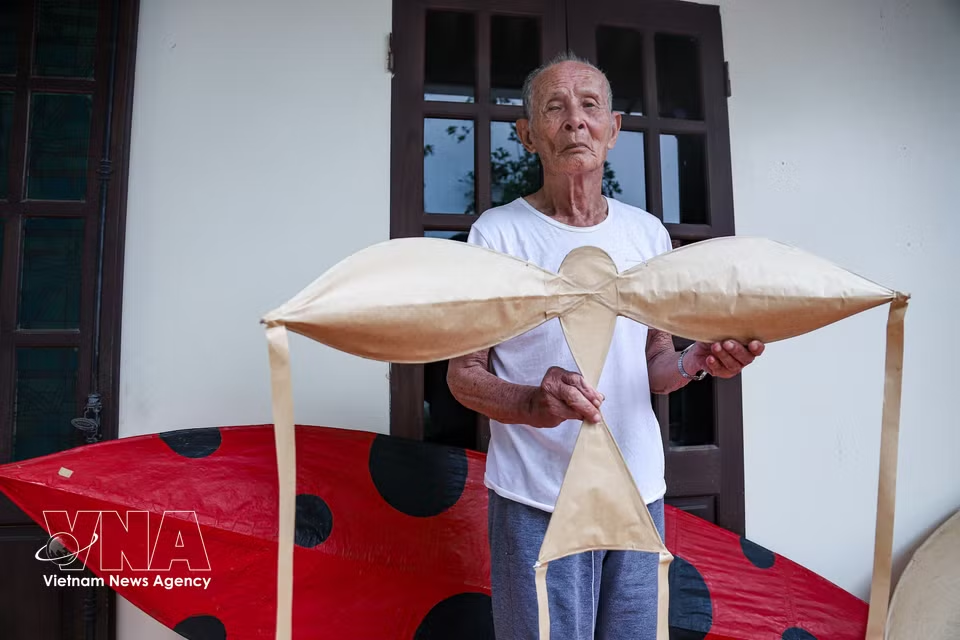
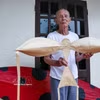
Artisan Nguyen Van Boi, 92, has long been known for creating the region’s highest-flying kites and was awarded the title of artisan in 2019. (Photo: VNA)
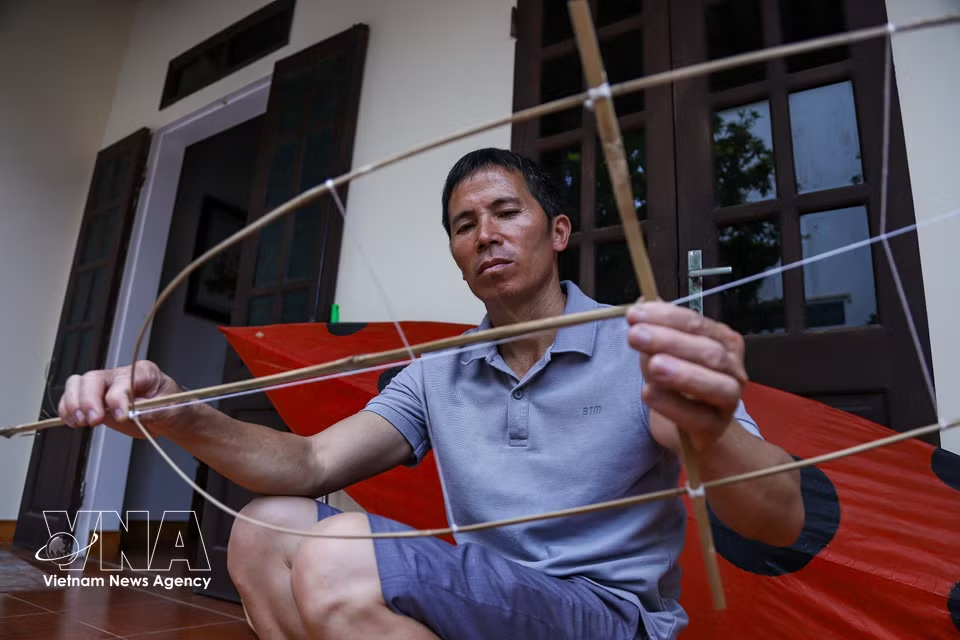
Following in his father’s footsteps, Nguyen Van Quyet now serves as head of the Ba Duong Noi Flute Kite Club, maintaining community activities, cultural exchanges, and teaching kite-making techniques to younger generations in the village. (Photo: VNA)
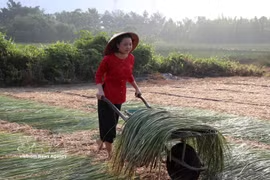
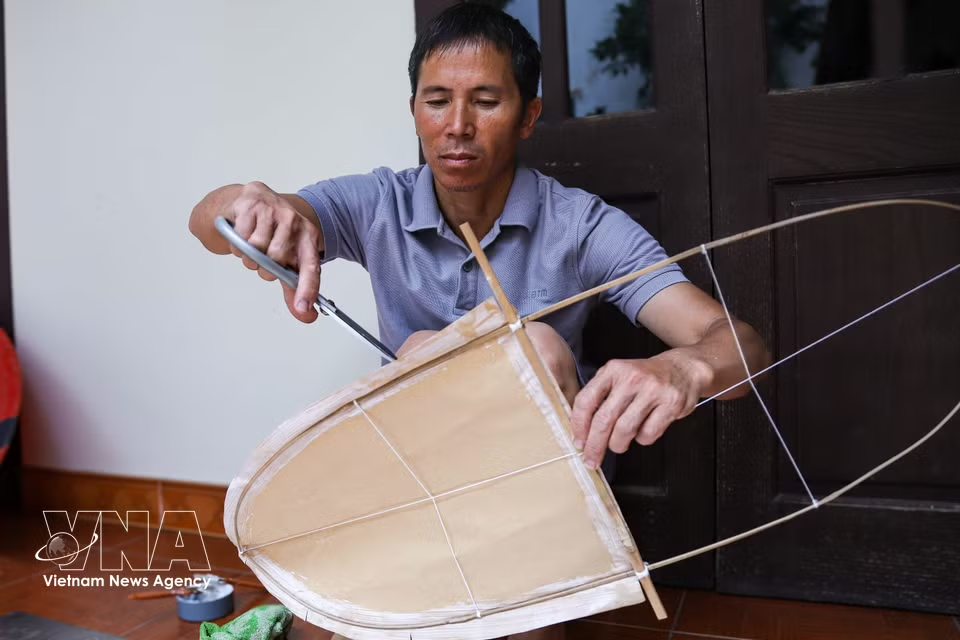
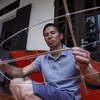
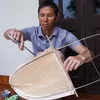
To craft the frame of a kite, artisans carefully select mature male bamboo, known locally as “elephant-edge bamboo,” prized for its durability and ability to help the kite maintain balance at high altitudes. (Photo: VNA)
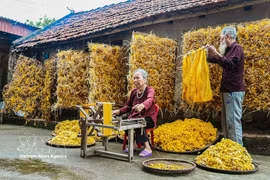
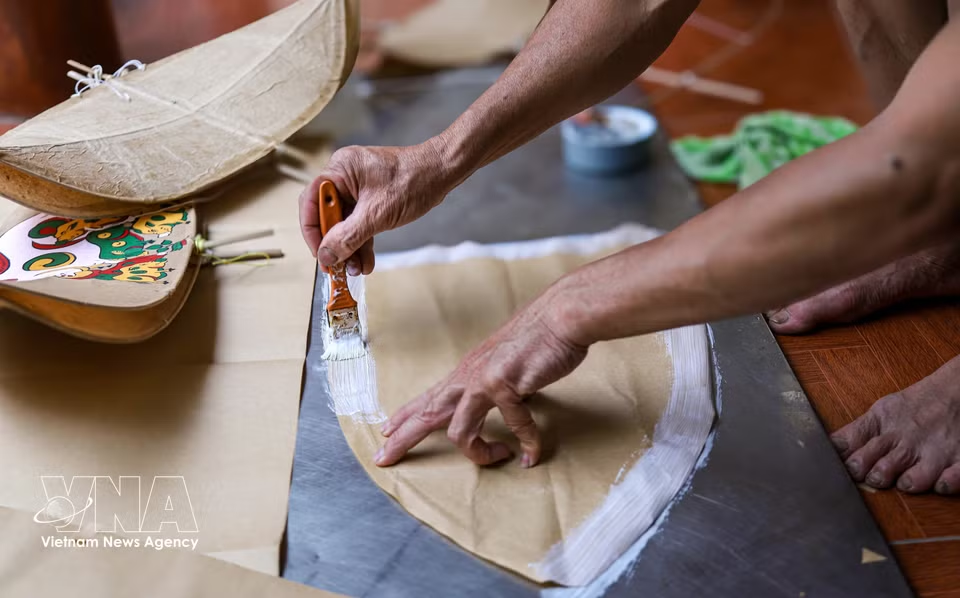
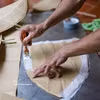
Kites in Ba Duong Noi village are covered with traditional "do" paper, a lightweight and porous material that allows the kites to catch the wind more easily, fly faster, and remain stable. (Photo: VNA)
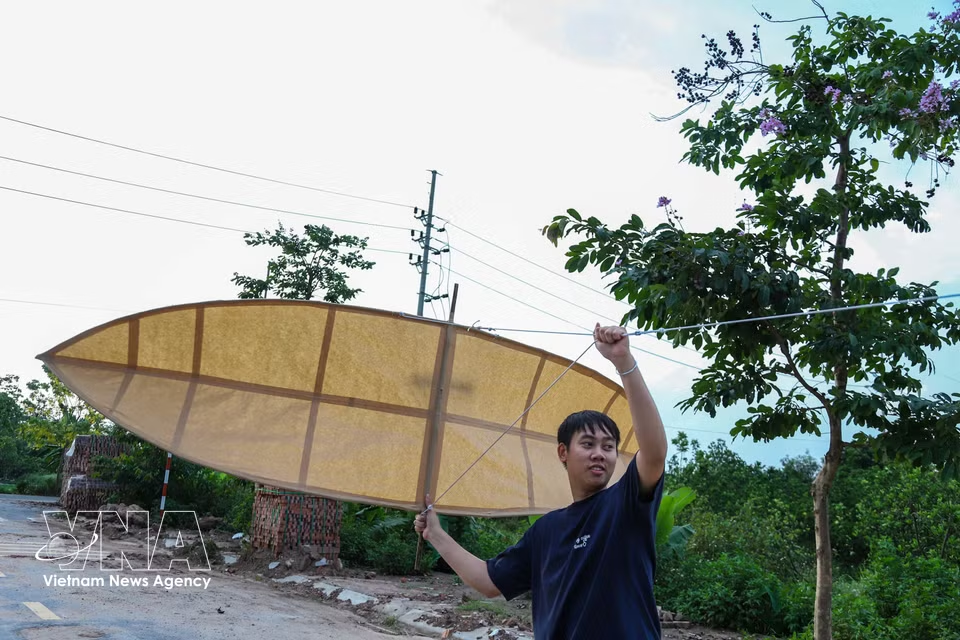
A distinctive feature of Ba Duong Noi flute kites is that traditional kites have no tails, requiring artisans to precisely calculate the frame proportions, curvature, and lift so the kite can remain balanced in flight. (Photo: VNA)
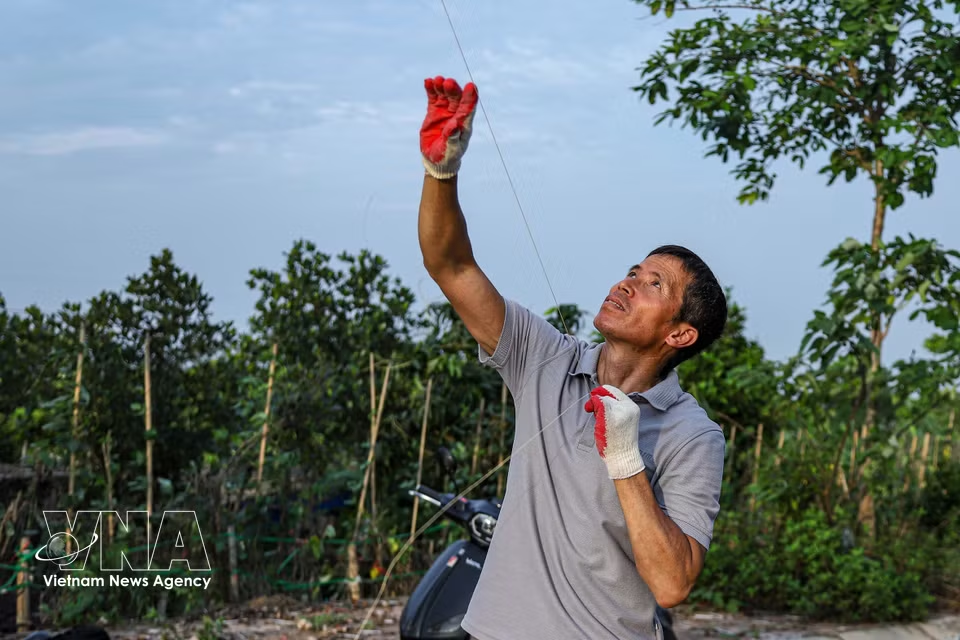
Each completed kite is carefully tested in open fields to check its balance, wind-catching ability, and the sound of the flute before being put into use. (Photo: VNA)
The art of crafting the flute lies in the maker’s acoustic sensitivity, ensuring that flutes of different sizes blend harmoniously to create layered, melodic sounds. (Photo: VNA)
With the dedication of younger generations like Nguyen Van Quyet, the flute kites of Ba Duong Noi village continue to carry the cultural sounds of northern Vietnamese villages far and wide. (Photo: VNA)
0
1
2
3
4
5
6
7
8

The art of flute kites: Where bamboo wood comes alive through artisans’ hands

Behind the flute kites soaring over the skies of O Dien is a centuries-old craft tradition meticulously preserved and passed down through generations by artisans in Hanoi’s Ba Duong Noi village.