Hanoi (VNA) – As global travelers are seeking nature-immersive experiences that reduce emissions and respect local culture, especially in the mid to high-end range. Vietnam must develop a globally credible and prestigious green brand, according to insiders.
The Vietnam Tourism Association (VITA)’s VITA Green label is to become a “green passport” for the country’s non-smoke industry, to enable international-level partnerships and transactions. A comprehensive roadmap has been outlined, covering standards, governance, communications, and market linkages.
With over 400 eco-certifications competing globally, experts said Vietnam's VITA Green must become a powerful, memorable brand that inspires and truly stands apart.
Harmonious green mindset for Vietnamese tourism
With abundant natural advantages, diverse culture, and distinctive heritage, Vietnam has a golden opportunity to assert its position on the world's green tourism map, as the global tourism industry undergoes a dramatic shift toward sustainable practices.
At the opening ceremony of the 12th Tourism Promotion Organisation for Global Cities (TPO) General Assembly in Ho Chi Minh City, the Republic of Korea’s Busan Deputy Mayor Seong Heui Yeob stressed that green transformation is essential for the sustainable growth of the tourism sector. Digital transformation enhances management, improves visitor experiences, and expands market access while green transformation is vital to mitigate environmental impacts, safeguard natural resources, and preserve local cultural identity.
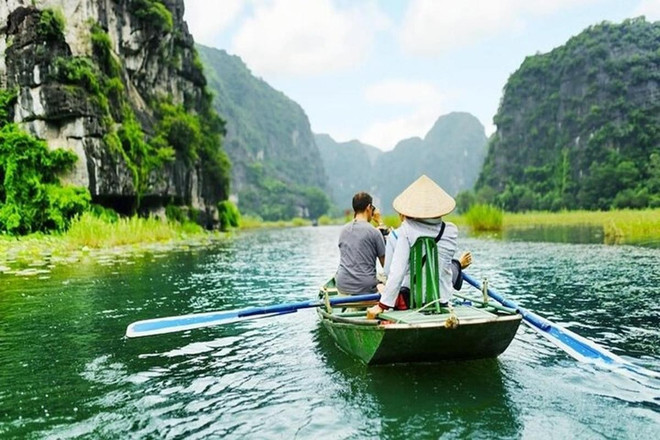
Earlier, the VITA launched a campaign to cut plastic waste in 2018 and introduced green tourism criteria a year later. Nearly 30 businesses have since earned VITA Green certification, with a target of 100 by the end of this year. But beyond numbers, the goal is to transform VITA Green into a globally recognised and trusted benchmark.
Revealing plans to elevate VITA Green, Phung Quang Thang, a VITA representative said that the association eyes standardisation of the entire identity system and criteria to meet international norms, with logos, slogans, and guidelines in Vietnamese, English, and eventually other languages.
The criteria framework will be cross-referenced with global standards such as GSTC, Travelife, and Green Key to ensure compatibility, enabling VITA Green enterprises to easily integrate into international supply chains.

The strategy for 2025–2026 includes building internal capacity, standardising brands, and securing intellectual property rights. The period from 2026–2028 is for promoting the brand globally through international events, and 2028–2030 for promoting intensive development. The goal is to have 200 certified businesses, 30 model destinations, partnerships with at least five global organisations, and organisation of three major international events.
This marks a shift from scattered initiatives to a long-term, integrated, and internationally oriented strategy. Experts expressed the belief that if successfully implemented, VITA Green could become a trusted symbol of Vietnam’s green tourism.
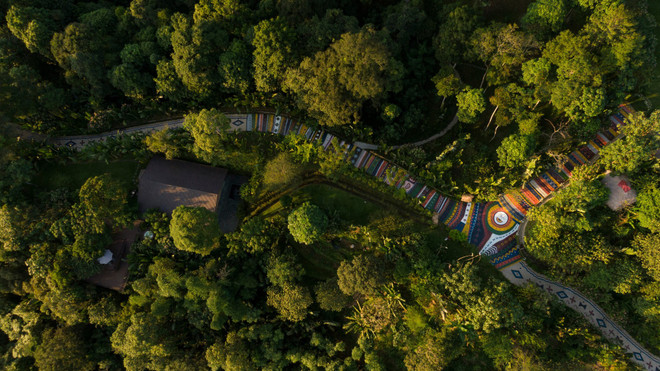
Industry insiders agreed that a green chain requires green destinations, accommodations, restaurants, and trained tour guides.
Drawing from Silk Sense Hoi An’s experience, its representative said that beyond international standards, a green brand must be linked to global partners, distributors, and booking platforms, and demonstrate clear commercial value through competitiveness and cooperation opportunities.

Meanwhile, LuxGroup Chairman and CEO Pham Ha stressed that the tourism sector must commit to combating “greenwashing,” ensuring transparency and measurable standards while building green culture as part of corporate identity. This will help the label attract global visitors.
Deputy Director General of Furama – Ariyana Da Nang Tran Ngoc Gia Phuong said that the sustainable tourism market is growing rapidly, with younger generations willing to pay more for responsible experiences. She described this as an opportunity for VITA Green to become a symbol of green tourism, combining nature conservation, culture, and community development./.