Vietnamese rice paper makes way into European kitchens

Vietnamese rice paper is increasingly winning the hearts of European diners thanks to its versatility, easy preparation and ability to pair well with a wide range of Western ingredients. This culinary exchange not only broadens the reach of Vietnamese cuisine but also enriches the multicultural culinary landscape of Belgium and many other countries.

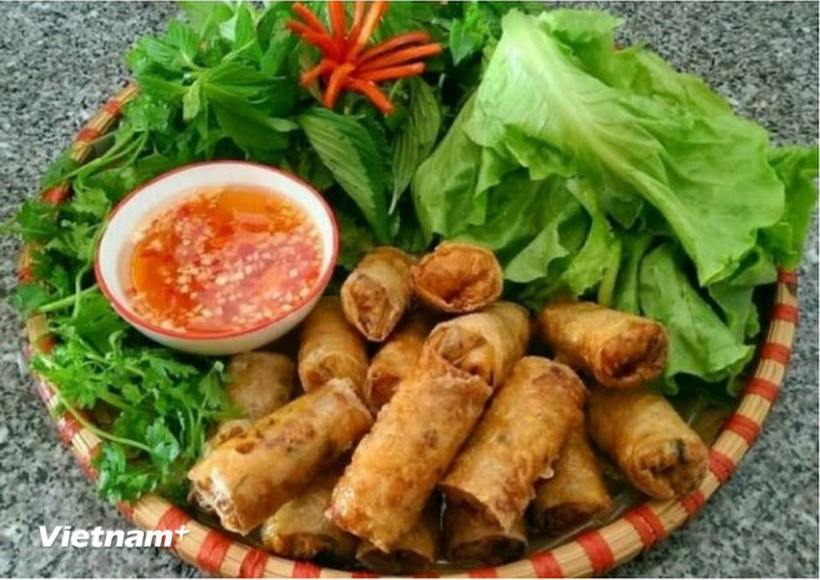
A dish of Vietnamese fried spring rolls (Photo: VNA)

Brussels (VNA) – Vietnam’s rice paper is increasingly appearing in European kitchens, prepared in creative ways that reflect Western culinary styles, according to a Vietnam News Agency (VNA) correspondent in Brussels, citing an article on Belgium’s RTBF website (rtbf.be).

Originally familiar ingredients in Asian cuisine, rice paper has now been adapted into a variety of novel dishes suited to Belgian tastes and those of neighbouring European countries.

Rice paper, which originates from Vietnam, is a versatile ingredient that can be used for fresh rolls, deep-frying or pan-frying. Thanks to this flexibility, the thin sheets easily adapt to local customs, becoming a base for refreshing appetisers or appealing hot dishes in European meals. According to RTBF, many chefs and food enthusiasts in Belgium have experimented with rice paper in Western-style dishes from starters to main courses, with positive feedback. In Europe, diners are already familiar with Asian-style rolls such as Vietnamese fresh spring rolls, and fried or grilled spring rolls. Meanwhile, similar “wrapped” dishes are also common in Western cuisine, including flour wraps for Peking duck, Dutch loempia or Japanese gyoza. In this context, Vietnamese rice paper stands out as a light, flexible option well suited to creative reinterpretations.

RTBF notes that rice paper is very easy to use. It simply needs to be moistened with warm water to soften while retaining its elasticity, before being filled with a wide range of ingredients. Traditional recipes such as fresh rolls with vermicelli, shrimp, barbecued pork, herbs, and a black hoisin-based dipping sauce remain popular. Fried spring rolls filled with minced pork, carrots and glass noodles, served with fish sauce and fresh herbs, have also won over many European diners.

Belgian chefs have gone even further. RTBF highlights a number of innovative variations that are gaining popularity, such as rolls filled with mozzarella cheese and Parma ham, Italian mortadella combined with parmesan, or even a unique version using Herve cheese paired with fruit syrup. These creations retain the rustic simplicity of rice paper while incorporating rich European flavours, creating an intriguing culinary fusion.

Rice paper is also used in entirely new ways. According to RTBF, some people in Belgium have tried making “Korean-style rice cakes” from rice paper: soaking the sheets, rolling and cutting them into pieces, then cooking them with vegetables in soy sauce and chilli paste to create a warm, comforting dish for cold days. In addition, rice paper is used as a wrapper for steamed or fried dishes similar to Italian ravioli, with diverse fillings such as pork, ricotta cheese, spinach, pumpkin or mushrooms.

RTBF concludes that Vietnamese rice paper is increasingly winning the hearts of European diners thanks to its versatility, easy preparation and ability to pair well with a wide range of Western ingredients. This culinary exchange not only broadens the reach of Vietnamese cuisine but also enriches the multicultural culinary landscape of Belgium and many other countries./.

VNA
See more

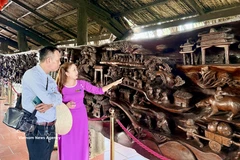
The horse image symbolises resilience, endurance, and spirit of “success upon arrival.” (Photo: VNA)

Horse mascot leaves strong impression at spring fair

A major attraction is a unique “Eight galloping horses” (Bat Ma) sculpture displayed at the To Trinh gemstone booth. Carved from a rare monolithic jade block, the artwork features eight spirited horses racing across golden rice fields. The harmonious blend of pure jade veins and natural golden tones enhances both its aesthetic depth and symbolic meaning, evoking prosperity and abundance associated with Vietnam’s rice civilisation.

Delegates cut the ribbon to launch the 46th Spring Flower Festival at Tao Dan Park. (Photo: VNA)

Festive activities herald Lunar New Year of the Horse

A vibrant array of cultural and media events has been launched across Vietnam to welcome the Lunar New Year of the Horse 2026, highlighting both the country’s enduring traditions and its dynamic socio-economic progress.

A calligraphy booth at the festival (Photo: VNA)

Spring Calligraphy Festival 2026 opens in Hanoi

A central attraction remains the traditional New Year calligraphy request activity, featuring 35 booths staffed by calligraphers selected through a rigorous, transparent evaluation process.

A ritual to welcome new year of Muong people in Phu Tho (Photo: nhandan.vn)

Unique Lunar New Year traditions on display

Each ethnic group brings its own unique Tet customs to the Vietnam National Village for Ethnic Culture and Tourism on the outskirts of Hanoi, creating a rich and colourful cultural mosaic.

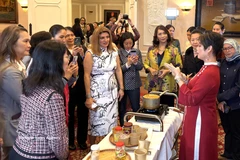
Polish Ambassador to Vietnam Joanna Skoczek (R) attends a cultural event in Vietnam (Photo: VNA)

Cultural, people-to-people interactions anchor Vietnam–Poland relations: diplomat

Skoczek also pointed to striking similarities between Vietnam’s Tet and Poland’s Christmas Eve traditions, particularly the emphasis on family reunions, symbolic meals and shared rituals passed down through generations. Despite differences in customs and cuisine, she said the essence of the celebrations remains universal: bringing loved ones together to welcome a new start.

A Tet flower street is held for the first time at the Thang Long Imperial Citadel during the Lunar New Year 2026. (Photo: VNA)

Tet flower street held for first time at Thang Long Imperial Citadel

More than a seasonal attraction, the flower street also functions as a formal cultural venue for receiving ambassadors, their spouses and representatives of diplomatic missions attending the Vietnam Discovery Day 2026 programme. Its linkage with an external event further reinforces the Thang Long Imperial Citadel’s position as a key platform for introducing Vietnam’s cultural identity to international friends.

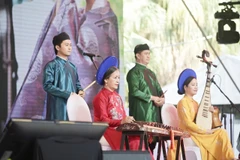
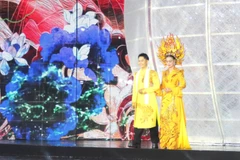
The recreation of Tien lich (calendar presentation ceremony), an important year-end ritual in which the royal court presented the new calendar for the coming year to the king, within a programme at the Thang Long Imperial Citadel in Hanoi on February 10. (Photo: VNA)

Hanoi recreates Lunar New Year court ritual at Thang Long Imperial Citadel

Organised by the municipal People’s Committee in coordination with the Vietnam National Commission for UNESCO, the programme recreated a range of ceremonial practices once performed in the royal court. These included the Tien lich ritual, in which calendars were formally distributed to the court and the public; the Thuong tieu ceremony featuring the ceremonial New Year pole erected to ward off evil spirits and welcome spring; the ritual release of carp to send the Kitchen Gods to heaven; and the solemn changing-of-the-guard ceremony inside the imperial citadel. Together, the activities helped audiences better understand the cultural, spiritual and ceremonial order of Vietnam’s feudal past.

Illustrative image (Photo: VNA)

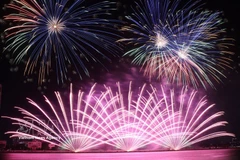
Fireworks, festive events usher in Year of the Horse across Vietnam

Local residents and visitors can enjoy spectacular fireworks displays at locations like the Hanoi Post Office in Hoan Kiem ward; Coconut island in Thong Nhat park, Hai Ba Trung ward; the F1 racetrack area in Tu Liem ward; Lac Long Quan flower garden in Tay Ho ward; Van Quan lake in Ha Dong ward; and the Son Tay Ancient Citadel in Son Tay ward.

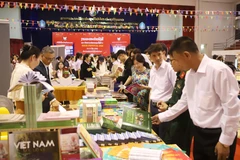
People visit the Spring Fair 2026. (Photo: VNA)

Spring Fair 2026: Celebration of Vietnamese Tet flavours, cultural memory

Food has long occupied a central place in Vietnamese Tet culture, symbolising abundance, harmony and gratitude. At the Spring Fair 2026, traditional Tet delicacies are presented in a modern setting while retaining their familiar essence, allowing visitors to experience both nostalgia and renewal.