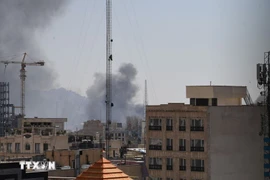
Tel Aviv (VNA) – Escalating tensions involving Israel, the US and Iran are negatively affecting the trade and investment climate in Israel and across the Middle East, while placing additional strain on global supply chains, according to Vietnamese Trade Counsellor in Israel Le Thai Hoa.
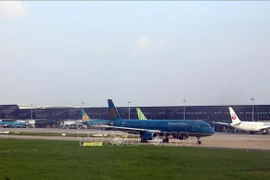
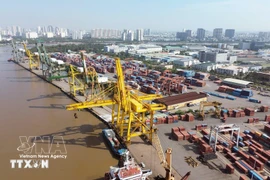
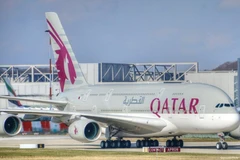
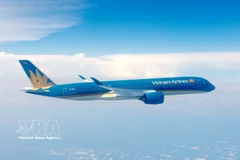
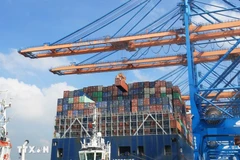
Speaking to a Vietnam News Agency (VNA) correspondent in Tel Aviv, Hoa said the increasingly complex and expanding conflict has pushed the security and political situation in Israel and several countries in the region into a state of instability. Some nations have closed their airspace and declared a state of emergency, while many airlines have suspended flights to and from Israel. Although seaports remain operational, their capacity has been significantly constrained.
Beyond direct retaliatory strikes between Iran and Israel, forces such as Hezbollah in Lebanon and the Houthi movement in Yemen have intensified activities targeting Israel. Notably, the Houthis have stepped up control over vessels transiting routes leading to the Red Sea, a vital maritime corridor linking Asia and Europe. After consecutive days of hostilities, there are no clear signs of de-escalation.
Assessing the immediate impact, Hoa said the conflict is adversely affecting trade between Vietnam and Israel, as well as between Vietnam and other Middle Eastern markets, particularly in the short term. Heightened risk concerns have made businesses more cautious in making investment decisions as well as signing and implementing contracts.
In the medium and long term, he warned of potential disruptions or rerouting of shipping and transit air routes from Asia to Europe, alongside surging oil prices should Iran move to blockade the Strait of Hormuz, through which about 20% of global oil and gas supplies pass. Rising maritime freight rates, airfares and insurance premiums could drive up production input costs and intensify inflationary pressures not only in the Middle East but also in economies worldwide.
In response, the Trade Counsellor urged Vietnamese enterprises to closely monitor developments, maintain regular contact with shipping lines and partners – particularly regarding goods in transit – and promptly address emerging issues. Businesses were also advised to diversify markets, expand partner and supplier networks, and strengthen risk management and cargo insurance measures.
Hoa said the Vietnam Trade Office in Israel is maintaining close coordination with local authorities to assist enterprises and provide timely market updates and early warnings. Firms facing difficulties related to the Israeli market are encouraged to contact the office directly for guidance.
So far, no specific losses have been recorded in import-export shipments between businesses of the two countries during the current escalation, a positive sign amid prevailing uncertainties. However, Hoa cautioned that short-term trade sentiment and activities will likely remain under pressure.
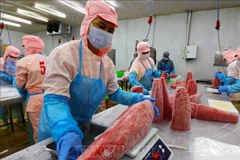
At the same time, partial supply disruptions from other sources mean Israel continues to sustain strong import demand to serve domestic production and consumption. The country imports around 100 billion USD worth of goods annually, including approximately 25 billion USD in food, agricultural and consumer products, representing considerable potential for Vietnamese exporters.
Hoa stressed that alongside managing existing contracts, Vietnamese firms should maintain close ties with key Israeli importers and major partners to prepare for the post-conflict period, positioning themselves to capitalise on market opportunities once stability returns./.