Hanoi (VNA) – With more than 6 million Vietnamese living, working and studying in over 130 countries and territories, the overseas Vietnamese (OV) community is increasingly recognised as a special resource for national socio-economic development, particularly the country’s startup ecosystem.
A crucial resource
Over the years, OVs have affirmed their role by contributing financial resources, sharing knowledge, transferring technology and enhancing ties with global networks.
Remittances have remained high and stable, with total inflows exceeding 190 billion USD over the past decade, placing Vietnam among the world’s top 10 recipients. Ho Chi Minh City accounts for about 60% of the national total, making remittances an important supplementary capital source for development.
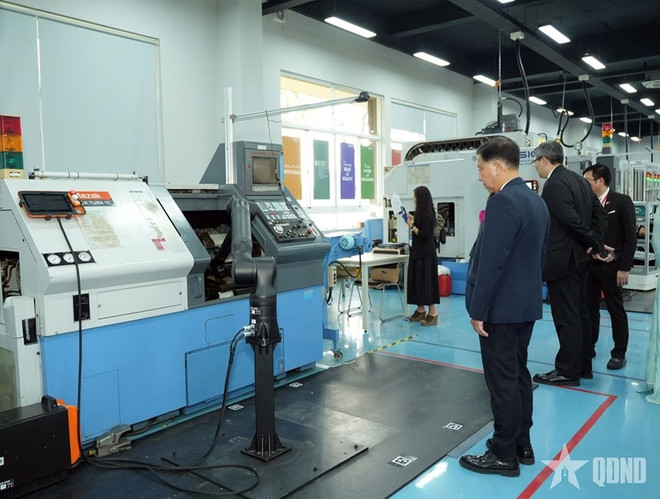
Beyond financial flows, however, the overseas community’s intellectual capital, management experience and international connectivity are seen as key assets to help domestic startups expand and integrate into global markets.
Experts say Vietnam has developed most core components of a startup ecosystem, including startups, investment funds, support programmes, innovation centres and policy orientations. Its advantages lie in a large domestic market, a young population and strong entrepreneurial spirit, alongside the Government’s emphasis on science, technology and digital transformation as a development pillar.
However, compared with more mature ecosystems in the region, Vietnam still faces challenges. These include limited capital for growth during the phases of scaling up and internationalisation, a lack of internationally standardised governance and financial transparency systems, and weak coordination among universities, enterprises, investors and regulators.
In this context, startups require not only funding but also governance experience, technology transfer and access to global markets — areas where OV professionals can make meaningful contributions.
Despite this potential, startup and innovation communities have yet to fully tap overseas resources, while many OVs still encounter obstacles when returning to live, work or invest in the country.
At a recent Ho Chi Minh City roundtable on removing barriers for OVs and exploring investment opportunities, participants cited difficulties related to residence and identity procedures, fragmented investment processes and limited access to updated legal information.
Unlocking potential
As Vietnam enters a new development phase driven by reforms and innovation, the startup ecosystem is viewed as an effective channel for mobilising overseas resources. The State has introduced policies such as long-term visa exemptions, expanded rights to own housing and assets, and programmes connecting global Vietnamese intellectuals and entrepreneurs to promote technology transfer and collect management expertise.
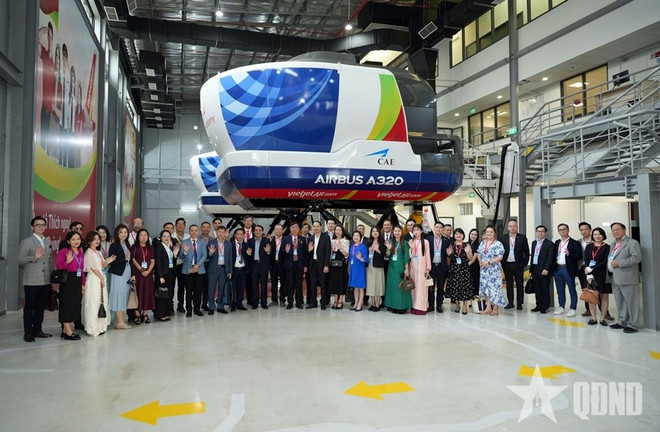
Ho Chi Minh City, which receives an estimated 9–10 billion USD in remittances annually, is home to around 2,000 startups. The city aims to rank among the world’s 100 most dynamic startup hubs by 2030.
Local leaders have pledged to further improve institutional frameworks, improve the investment climate, ensure transparency in mobilising and using resources, and protect the rights and legitimate interests of all investors, including OVs. They have also called for stronger engagement by overseas intellectuals and experts in advice provision, policy feedback, corporate governance and market connectivity.
Many OVs have expressed readiness to contribute capital, share expertise and connect the domestic startup ecosystem with international networks.
Phan Xuan Hieu, Director of the Akira Japan JSC and head of the investment and trade promotion board of the Vietnam Business Association in Japan, proposed building a stable and transparent legal framework for cross-border investment, establishing a State – OV co-investment fund to share risks in high-tech and innovation sectors, forming overseas expert networks to advise on governance and technology transfer, and creating an international innovation connectivity centre linking domestic startups with global partners.
With continued institutional reform and stronger international linkages, the OV community is expected to become a key partner in advancing Vietnam’s ambition to build a dynamic and innovation-driven economy, he said./.