Ho Chi Minh City (VNA) – The escalating conflict in the Middle East is exerting significant pressure on the global economy, disrupting maritime transport and weighing on international trade flows. For Vietnam – a highly trade-dependent economy, tensions affecting the Suez – Red Sea corridor and the Gulf region are expected to have far-reaching impacts on production and export activities across multiple sectors.
Sea freight hit by disruptions
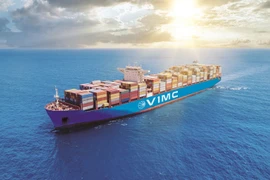
Just days after hostilities broke out between the US – Israel alliance and Iran, a series of international shipping lines issued urgent notices to customers, suspending bookings for cargo to and from parts of the Middle East. Freight rates on alternative routes are also forecast to rise sharply.
Korea Marine Transport Co. (KMTC) announced a temporary halt on new bookings for shipments to the Middle East and the Red Sea until further notice. Affected ports include Jebel Ali, Sharjah and Khalifa in the UAE; Dammam and Riyadh in Saudi Arabia; Sohar in Oman; and Red Sea ports such as Aqaba, Sokhna and Jeddah.
Meanwhile, Wan Hai Lines (WHL) and Mediterranean Shipping Company (MSC) have suspended or cancelled previously issued bookings to the Middle East, the Red Sea and the eastern Mediterranean to mitigate operational risks. MSC stressed that crew safety remains its top priority and said bookings would resume once security conditions improve.
Major carriers including Maersk and Ocean Network Express (ONE) have also stopped transiting the Suez Canal. Shipments bound for Europe and the UK are being rerouted around the Cape of Good Hope in South Africa, extending transit times by an estimated 15–20 days.
Port operator Dubai Ports World (DP World) reported temporary disruptions at Jebel Ali Port, one of the Middle East’s largest transshipment hubs, in line with instructions from authorities.
Maritime experts said the conflict directly affects trade flows through the Strait of Hormuz, a strategic chokepoint linking the Persian Gulf with the Indian Ocean. As security alerts intensify, vessels are being advised to seek safe anchorage or reroute via the Cape of Good Hope instead of passing through the Red Sea – Bab el-Mandeb – Suez corridor.
Freight rates are forecast to increase in the short term due to war risk surcharges. Rates to Europe and the UK could rise by more than 30% if tensions persist, prompting businesses to closely monitor developments and adjust production and delivery plans accordingly.
Exporters seek response strategies
In recent years, the Middle East has emerged as a promising destination in Vietnam’s export diversification strategy, particularly for consumer goods and food products.
Pham Quang Anh, General Director of the Dony Garment Co., said the company has supplied apparel to Jordan for nearly a decade, with the market accounting for over 20% of its export turnover. A container shipment scheduled for mid-March is now under review as the Jordanian partner has urged immediate dispatch to avoid further freight hikes.
Beyond rising costs, prolonged transit times pose a greater concern. During the previous Red Sea tensions, shipments from Vietnam to the Middle East stretched to three or four months, compared to the usual 25–30 days. For seasonal fashion items, such delays can disrupt sales cycles and erode profitability. Notably, exports to Jordan rely largely on a single shipping route, limiting flexibility.
Importers in the region are also ramping up purchases in anticipation of increased consumer demand following the Muslim holy month of Ramadan, which this year runs from February 18 to March 19. Should the conflict ease within weeks, trade may stabilise; however, a prolonged crisis could severely affect seasonal goods, Anh noted.
The fisheries sector faces compounded risks.
Le Hang, Deputy General Secretary of the Vietnam Association of Seafood Exporters and Producers (VASEP), said the Middle East posts growth of nearly 10% in annual fishery imports from Vietnam, with strong demand for salmon, shrimp, tuna and other high-value products.
Yet freight rates on the Asia – Dubai route have nearly doubled within days, she pointed out, elaborating that emergency surcharges for Gulf destinations range from 1,500–4,000 USD per container, with higher fees for refrigerated units, squeezing profit margins. Insurance providers have also tightened coverage in Iran and the Persian Gulf, further escalating costs.
Fishery exports, which depend on strict temperature control and timely delivery, are particularly vulnerable. Rerouted voyages could add 7–14 days to transit times, thus disrupting cold chain efficiency and worsening shortages of refrigerated containers.
VASEP has urged enterprises to reassess shipping routes, strengthen cold storage capacity, prioritise long-term contracts and closely track insurance and carrier updates to maintain stable trade flows amid ongoing uncertainty, according to Hang./.
VNA